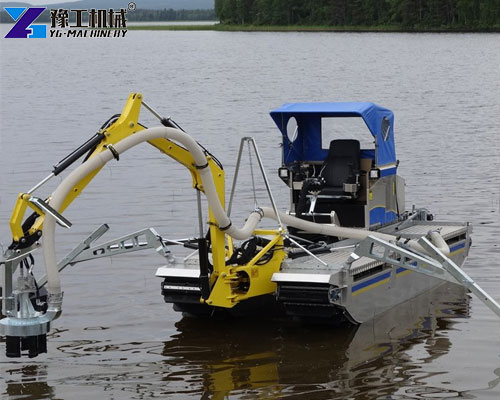
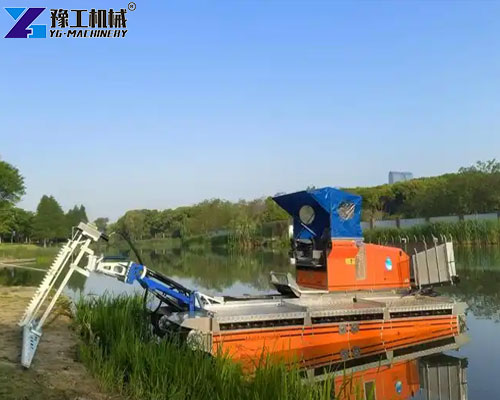
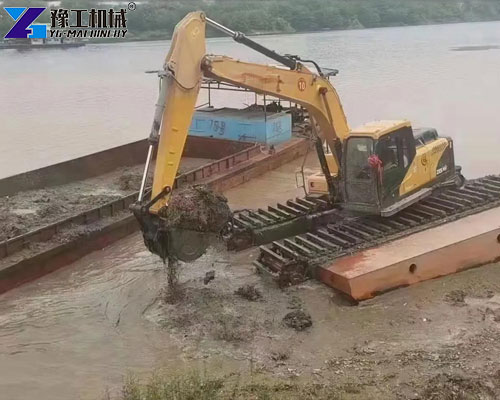
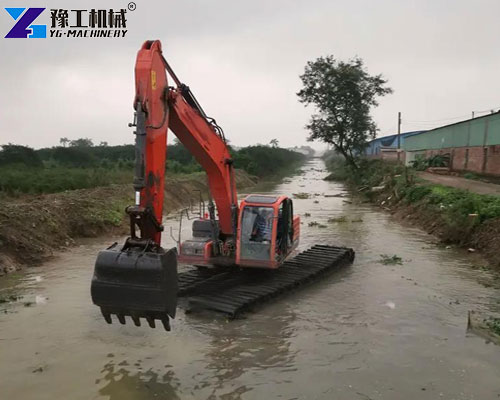
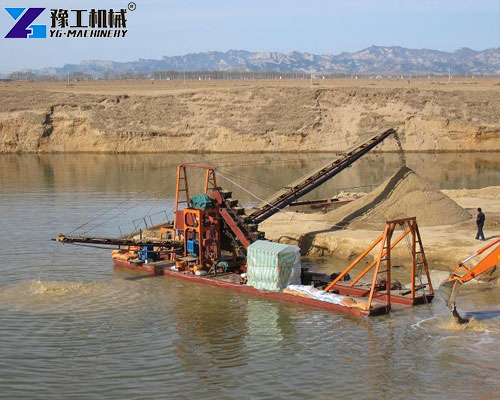
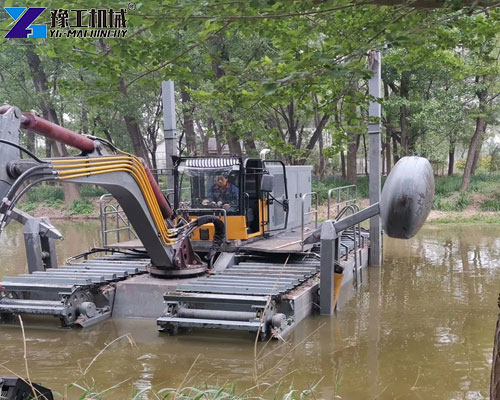
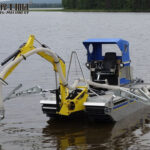
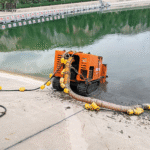
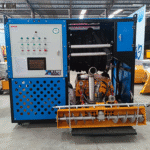
Investing in a silt removal machine has become increasingly important for industries and municipalities managing water bodies like ponds, lakes, and rivers. With growing concerns about water quality, sediment buildup, and ecological sustainability, this modern solution provides a safe, efficient, and cost-effective approach to water cleaning.
Efficient Sediment Removal Traditional dredging methods are labor-intensive, time-consuming, and often unsafe. A silt removal machine allows operators to remove silt, debris, and sediment from ponds and lakes without entering the water, reducing labor costs and improving safety.
Versatility Across Applications Whether you manage a municipal pond, a fish farm, or an industrial water reservoir, these dredgers are adaptable. They can function as a pond cleaner machine, a pond cleaning boat, or a water cleaning robot, depending on your needs.
Environmental and Operational Benefits Modern remote controlled dredgers are designed for minimal disruption to aquatic life while maintaining high performance. They prevent water stagnation, reduce odor, and enhance overall water quality, contributing to sustainable water management practices.
Selecting the appropriate pond cleaning boat involves several considerations:
Water Depth and Size Ensure the dredger can operate efficiently at the required depth. Many models can reach up to 30 meters, ideal for ponds, small lakes, and reservoirs.
Load Capacity and Pump Power Depending on the sediment type and volume, choose a dredger with adequate suction and load capacity. High-capacity models can handle heavy sludge, rocks, and debris.
Mobility and Control Features A remote controlled dredger should have reliable navigation, remote operation, and safety features. Some models also integrate automation for route tracking and sediment collection.
Maintenance and Durability Check the materials, corrosion resistance, and ease of maintenance. Efficient dredgers require minimal downtime and long-lasting components, reducing total cost of ownership.
Real Applications and Success Cases
Municipal Pond Maintenance: City authorities have used pond cleaner machines to maintain urban water bodies, preventing overflow and improving recreational water quality.
Industrial Water Reservoirs: Factories use water cleaning robots to remove industrial sludge safely, ensuring compliance with environmental regulations.
Aquaculture: Fish farms deploy pond cleaning boats to improve water circulation and fish health, increasing production efficiency.
A silt removal machine is designed to remove sediment, sludge, and debris from ponds, lakes, rivers, reservoirs, and industrial tanks. It helps restore water depth, improve water quality, and prevent blockages in water systems.
2. What types of water bodies can a silt removal machine clean?
A silt removal machine can be used in many environments, including:
Ponds and lakes
Rivers and canals
Fish farming ponds
Reservoirs
Sewage and sedimentation tanks
3. How deep can a silt removal machine operate?
Most silt removal machines can work at depths of 1–10 meters, while some advanced or remote-controlled models can operate even deeper depending on the equipment configuration.
4. Is the machine easy to operate?
Yes. Many modern silt removal machines are designed with remote control systems or automated features, allowing operators to control the equipment safely from the shore.
5. What type of sediment can it remove?
A silt removal machine can remove:
Soft silt and sludge
Sand and sediment
Organic mud
Aquatic plant debris
6. How much area can the machine clean per hour?
The working capacity depends on the machine model, but typically a silt removal machine can clean around 1,000–4,000 m² per hour, making it highly efficient for large water areas.
7. Can the machine be customized?
Yes. Most manufacturers offer customized specifications such as working depth, engine power, collection width, and capacity to match different project requirements.
8. What are the advantages of using a silt removal machine?
Using a silt removal machine offers several benefits:
A remote controlled dredger is more than a water cleaning tool—it’s a strategic investment for efficiency, safety, and sustainability. Choosing the right model, tailored to your water body size and cleaning needs, ensures long-term operational benefits. Whether you need a pond cleaner machine, a pond cleaning boat, or a water cleaning robot, modern dredgers offer versatile and cost-effective solutions.