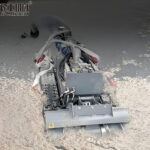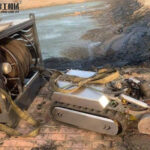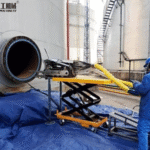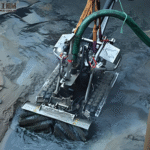
Maintaining a clean and efficient wastewater treatment plant is essential for environmental compliance and operational stability. However, one of the biggest challenges operators face is sediment and sludge accumulation in sedimentation tanks. Traditional manual cleaning methods are not only inefficient but also pose serious safety risks—especially in industrial and chemical wastewater environments.
This is where the desilting robot for wastewater treatment plant becomes a game-changing solution.
Desilting Robot Parameters
| Parameter | YG500 | YG600 | YG700 | YG800 | YG900 | YG1200 |
| Robot Dimensions (mm) | 1500*500*650 | 1500*600*650 | 1600*700*650 | 1600*850*700 | 1650*960*750 | 1900*1200*750 |
| Dredging Width (mm) | 500 | 600 | 700 | 800 | 900 | Suitable for large culverts |
| Travel Speed (m/s) | 3–15 | 3–15 | 3–15 | 3–15 | 3–15 | 0–17 m/min |
| Pump Diameter (inch) | 3 | 3 | 4 | 4 | 4 | 4or6 |
| Pump Flow (m³/h) | 100 | 100 | 160 | 160 | 200 | 250 |
| Pump Head (m) | 0–30 | 0–30 | 0–25 | 0–25 | 0–25 | 0–30 (Horizontal: 100–150m) |
| Hydraulic Station Dimensions (mm) | 2200*1200*1700 | 2200*1200*1700 | 2200*1200*1700 | 2200*1200*1700 | 2200*1200*1700 | 2120*1240*1200 |
| Main Motor Power (kW) | 18 | 18 | 22 | 22 | 22 | 45KW (50KW) or Diesel 76KW (123KW) |
| Hydraulic System Pressure (Mpa) | 0–16 | 0–16 | 0–16 | 0–16 | 0–16 | Not specified |
| Particle Size (mm) | 15 | 15 | 40 | 40 | 50 | 0–40 (customizable) |
| Winch Speed (r/min) | 0–10 | 0–10 | 0–10 | 0–10 | 0–10 | 0–10 |
| Pipe Length (m) | 30–50 Optional | 30–50 Optional | 30–50 Optional | 30–50 Optional | 30–50 Optional | 30m/pack, 20kg pressure resistant, optional |
| Control System | Wireless Remote | Wireless Remote | Wireless Remote | Wireless Remote | Wireless Remote | Wireless Remote |
| Lighting System | Underwater LED*2 | Underwater LED*2 | Underwater LED*2 | Underwater LED*2 | Underwater LED*2 | Underwater LED*2 |
Why Traditional Desilting Methods Are No Longer Safe or Efficient?
1. Safety Risks Are Extremely High
In chemical wastewater treatment plants, sedimentation tanks often contain highly toxic substances such as cyanides and benzene compounds. Manual cleaning requires workers to enter confined spaces wearing heavy protective equipment, yet the risk remains significant.
According to a 2023 chemical industry accident report, 18% of operation and maintenance accidents were caused by manual sludge cleaning-related poisoning incidents. Toxic gas inhalation and skin exposure are still difficult to fully prevent, even with strict safety protocols.
Additionally, mechanical friction in traditional equipment can generate static sparks, increasing the risk of explosions in flammable environments.
2. Efficiency Bottlenecks Limit Productivity
Manual desilting operations are also highly inefficient:
- A single diving operation typically lasts only 30 minutes
- Total sludge removal per shift is less than 40 cubic meters
- Frequent interruptions are required to monitor oxygen levels (must be ≥19.5%)
- Annual downtime for cleaning can exceed 200 hours per sedimentation tank
These limitations not only increase labor costs but also severely impact plant productivity.
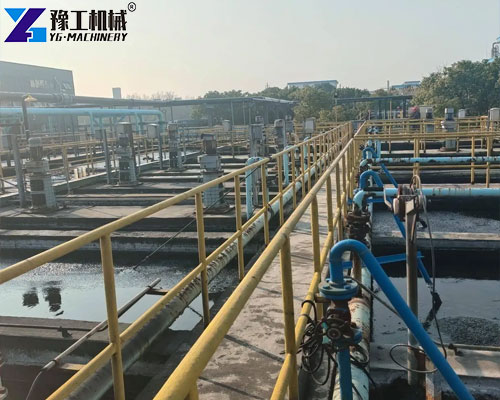
How Desilting Robots Solve These Challenges?
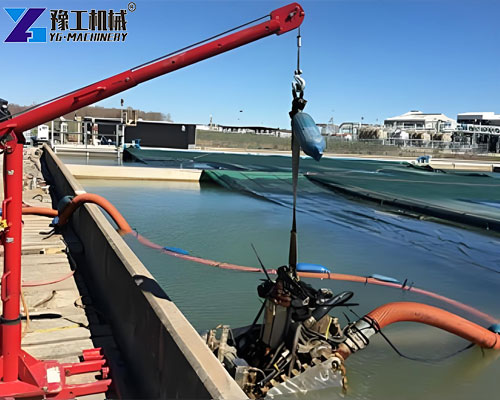
The desilting robot for wastewater treatment plant is specifically designed to overcome the safety and efficiency limitations of manual cleaning through advanced automation and engineering.
1. Explosion-Proof Design for Hazardous Environments
To eliminate the risk of static sparks and explosions, modern desilting robots use:
- Fluororubber insulation coatings to prevent static discharge
- Intrinsically safe circuits for stable operation
- Certified Ex d IIC T6 explosion-proof standards, suitable for highly flammable and explosive environments
This makes them ideal for chemical plants, petrochemical facilities, and hazardous wastewater systems.
2. Complete Isolation from Toxic Substances
Unlike manual operations, desilting robots ensure full separation between operators and hazardous materials:
- Fully enclosed suction pipelines prevent sludge leakage
- Negative pressure collection systems ensure safe sludge transfer
- Zero direct human contact with toxic sediments
This effectively eliminates risks such as toxic gas inhalation and skin absorption poisoning.
3. Continuous and High-Efficiency Operation
Desilting robots can operate continuously without the limitations of human endurance:
- No time restrictions like manual diving
- No need for frequent oxygen level checks
- Significantly higher sludge removal capacity per day
As a result, cleaning time is drastically reduced, and plant downtime is minimized.
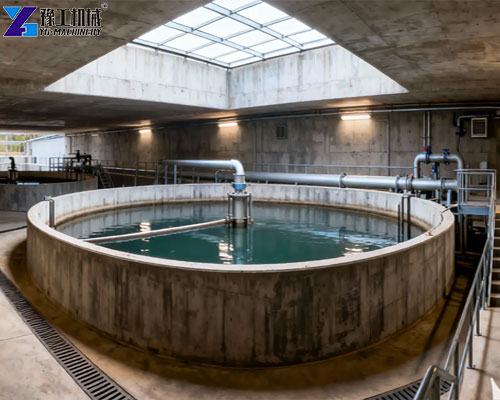
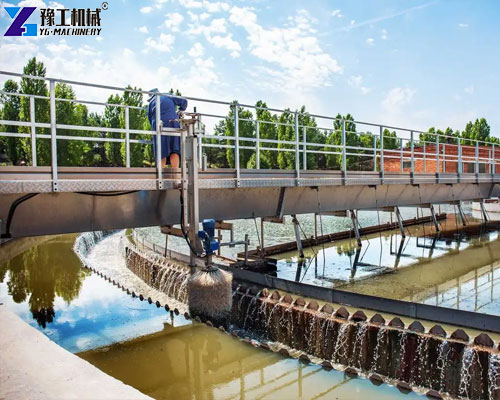
Key Features of Desilting Robots
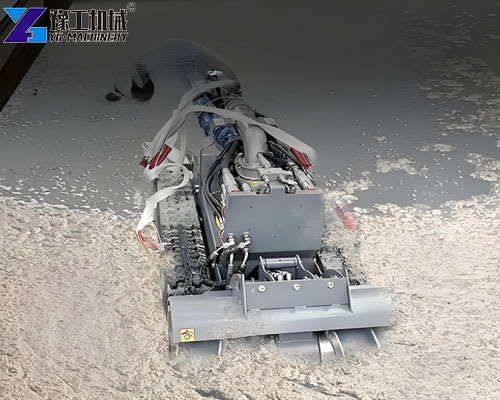
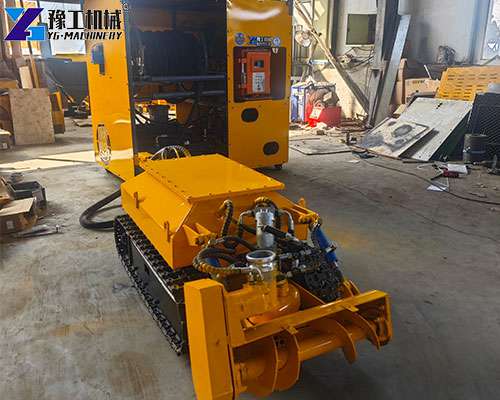
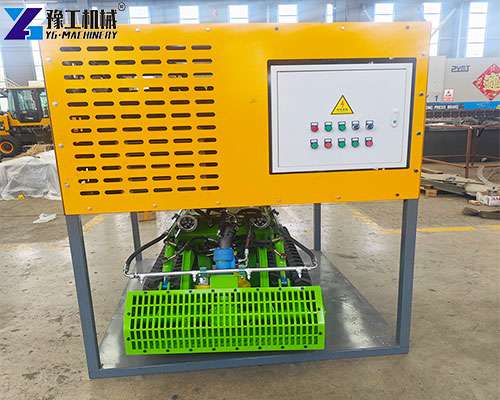
- Crawler Track System – Ensures stable movement in sludge-heavy environments
- Remote Control Operation – Enables precise and safe operation from a distance
- High-Power Suction Pump – Efficiently removes both soft sludge and compacted sediment
- Corrosion-Resistant Materials – Suitable for harsh chemical environments
- Energy-Efficient Design – Reduces long-term operational costs
Applications of dredging robot
The desilting robot for wastewater treatment plant is widely used in:
- Municipal wastewater treatment plants
- Industrial and chemical wastewater facilities
- Mining sedimentation ponds
- Power plant wastewater systems
- Stormwater and sludge management systems
Maintenance and Operation Tips
- Regularly inspect suction pipelines and sealing systems to ensure no leakage
- Check explosion-proof components to maintain safety compliance
- Adjust suction power based on sludge density for optimal efficiency
- Perform routine maintenance to extend equipment lifespan
Why Choose YG Machinery Desilting Robots?
At YG Machinery, we understand the real challenges faced by wastewater treatment operators—especially in high-risk industrial environments.
Our desilting robots for wastewater treatment plants are designed with:
- Advanced explosion-proof technology
- Fully enclosed sludge handling systems
- High-efficiency suction and dredging performance
- Proven reliability in global projects across 20+ countries
By choosing YG, you are not just buying equipment—you are investing in safety, efficiency, and long-term operational stability.