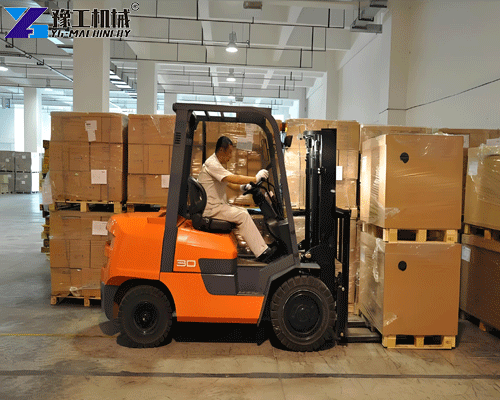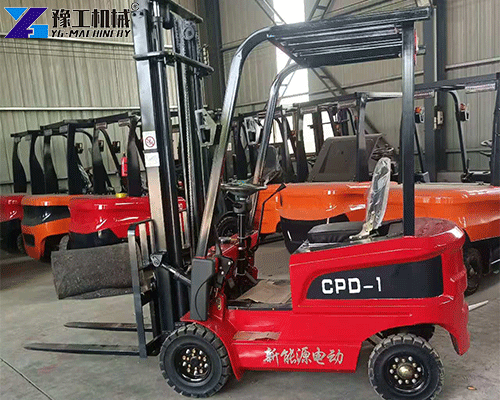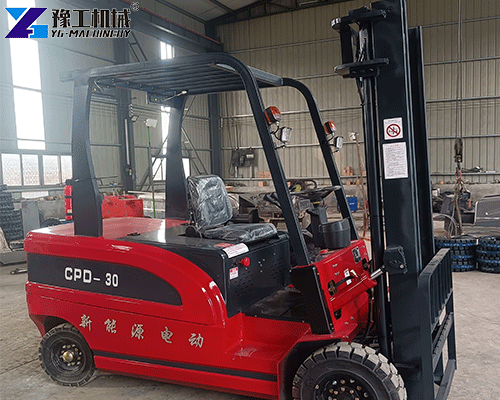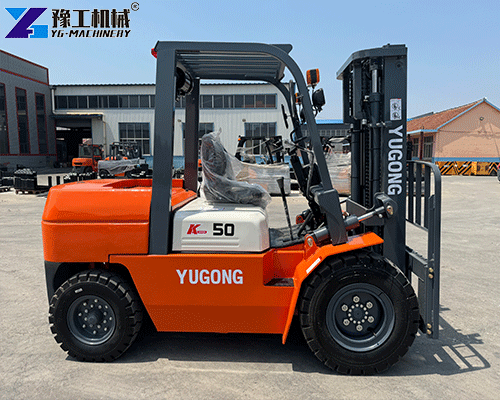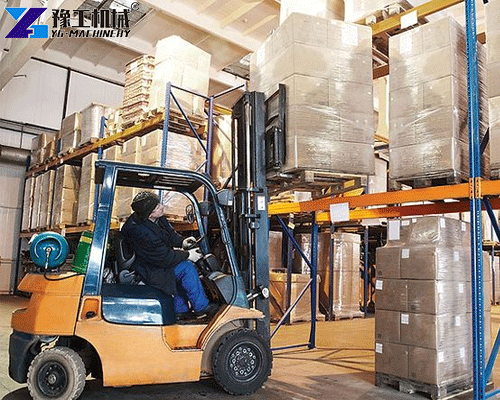
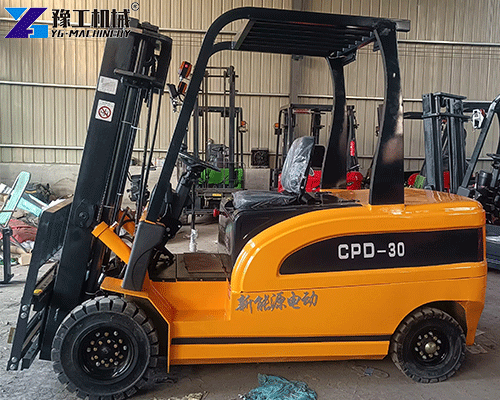
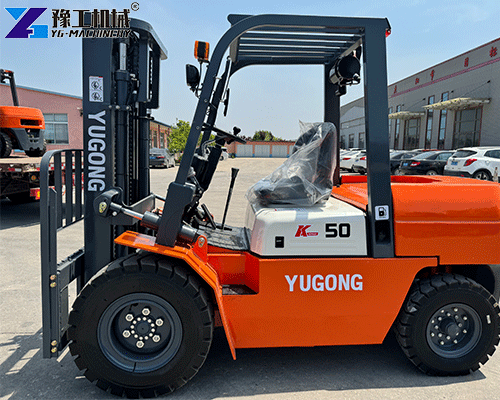
Choosing between an electric forklift and a diesel forklift is a critical decision for warehouse operations. The right choice impacts operating costs, efficiency, safety compliance, and long-term sustainability.
This guide provides a clear, side-by-side comparison to help warehouse managers make the best decision based on real operating conditions.
Click Here to Get A Free Quote
Overview: Electric Forklift vs Diesel Forklift
Before diving into details, here’s a quick summary:
- Electric forklifts focus on clean operation, low noise, and indoor compliance
- Diesel forklifts emphasize high power and outdoor performance
In warehouse environments, these differences become especially important.
1.Working Environment Compatibility
Electric Forklifts in Warehouses
Electric forklifts are designed for enclosed or semi-enclosed spaces.
Key advantages:
- Zero exhaust emissions
- Minimal noise pollution
- Safe for food, pharmaceutical, and logistics warehouses
- No need for additional ventilation systems
They are ideal for indoor warehouse operations, narrow aisles, and high-density storage areas.
Diesel Forklifts in Warehouses
Diesel forklifts are better suited for outdoor or well-ventilated environments.
Limitations indoors:
- Exhaust emissions require strict ventilation
- Higher noise levels
- Often restricted by safety and environmental regulations
For most modern warehouses, diesel forklifts face increasing compliance challenges.
Click Here to Get A Free Quote
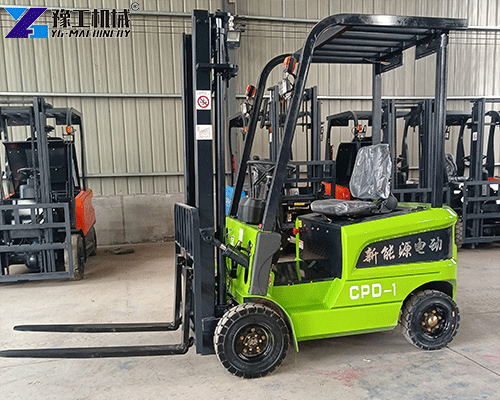
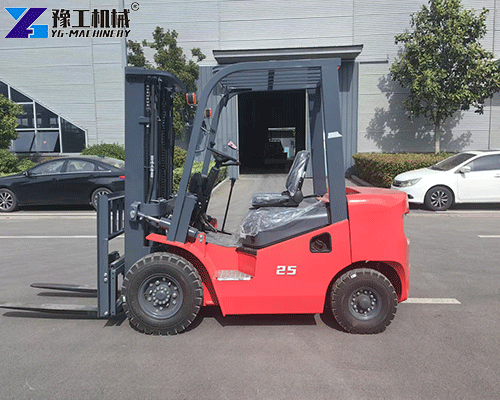
2.Operating Cost Comparison
Energy and Fuel Costs
Electric forklifts use electricity, which is generally more stable and lower in cost
Diesel forklifts depend on fuel prices, which fluctuate and add long-term risk
Maintenance Costs
Electric forklifts:
- Fewer moving parts
- No engine oil or fuel system maintenance
- Lower routine service costs
Diesel forklifts:
- Regular engine servicing
- Fuel system and emission component maintenance
- Higher long-term maintenance expenses
Over time, electric forklifts usually deliver a lower total cost of ownership in warehouse operations.
Click Here to Get A Free Quote
3.Performance and Load Capacity
Power and Load Handling
- Diesel forklifts offer strong torque for heavy outdoor loads
- Electric forklifts provide smooth, consistent power ideal for pallet handling
For most warehouse tasks:
- 1.5–3 ton electric forklifts are more than sufficient
- Precise control improves stacking accuracy and safety
Unless extremely heavy loads are required, electric forklifts meet typical warehouse demands.
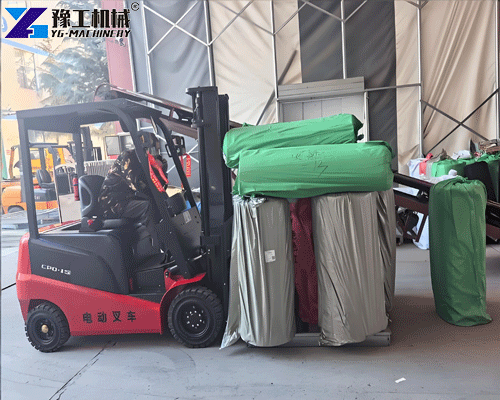
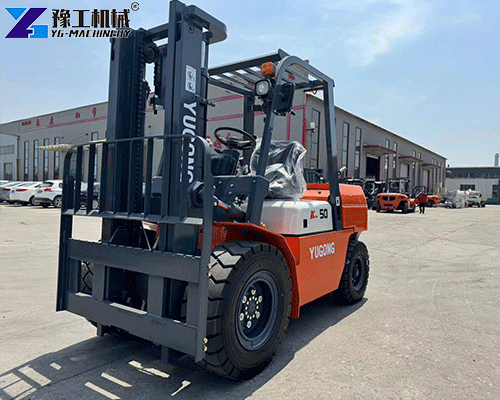
4.Noise Level and Operator Comfort
Noise directly affects productivity in warehouse environments.
Electric forklifts:
- Quiet operation
- Reduced operator fatigue
- Improved communication on the warehouse floor
Diesel forklifts:
- Engine noise and vibration
- Higher fatigue during long shifts
For multi-shift warehouses, electric forklifts significantly improve operator comfort and efficiency.
Click Here to Get A Free Quote
5.Safety and Compliance Considerations
Modern warehouses must meet strict safety standards.
Electric forklifts:
- No exhaust fumes
- Lower fire risk
- Easier compliance with indoor safety regulations
Diesel forklifts:
- Require emission control measures
- Higher risks in confined spaces
From a compliance perspective, electric forklifts are increasingly favored worldwide.
6.Sustainability and Future Trends
Warehouse operations are moving toward greener solutions.
Electric forklifts support:
- Carbon reduction goals
- Corporate ESG initiatives
- Government incentive programs
Diesel forklifts, while still used in outdoor logistics yards, face growing regulatory pressure in indoor applications.
Click Here to Get A Free Quote
Which Forklift Is Better for Warehouse Operations?
Choose an Electric Forklift If:
- Operations are primarily indoors
- Noise and emissions matter
- Long-term operating cost is a priority
- Multi-shift efficiency is required
Choose a Diesel Forklift If:
- Work is mainly outdoors
- Extremely heavy loads are handled
- Emission restrictions are minimal
For most modern warehouse environments, electric forklifts are the better long-term solution.
Click Here to Get A Free Quote
Final Recommendation
When comparing electric vs diesel forklifts in warehouse operations, the decision is clear for most indoor facilities. Electric forklifts offer clean operation, lower long-term costs, better regulatory compliance, and improved working conditions for operators. As warehouse standards continue to rise, electric forklifts are becoming the preferred choice worldwide.
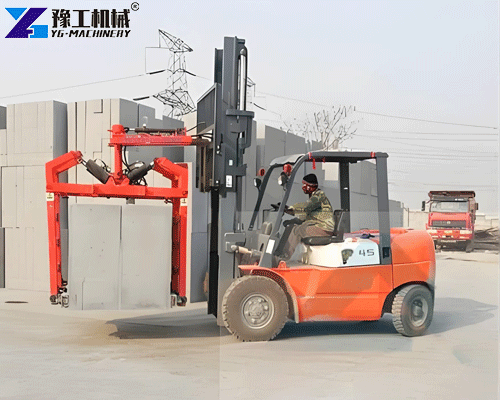
However, for outdoor operations—especially construction sites, open yards, and rough-terrain environments—diesel forklifts remain a more suitable option. Their powerful engines, strong torque, and ability to handle uneven ground make them better equipped for heavy-duty outdoor tasks where emission restrictions are less strict.
About YG Machinery
YG Machinery is a professional manufacturer of electric forklifts, providing reliable solutions for warehouse operations worldwide, YG also manufactures diesel forklifts. With advanced production facilities, strict quality control, and rich export experience, YG electric forklifts are trusted by customers across Europe, North America, Southeast Asia, and other global markets.
YG Machinery delivers stable performance, competitive pricing, and dependable after-sales support—making it a reliable partner for warehouse electric forklift solutions. Contact us to know more details now!【WhatsApp/WeChat/Phone】+86 13837115193.