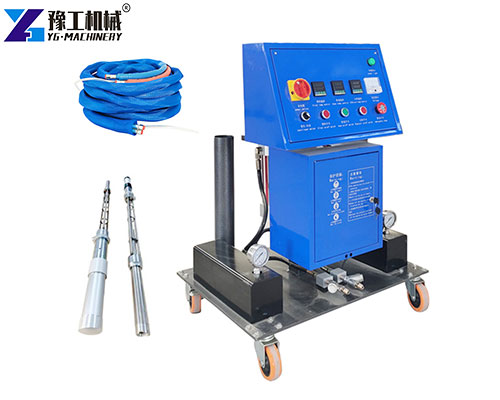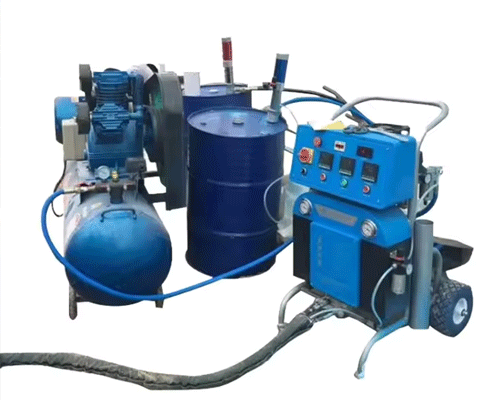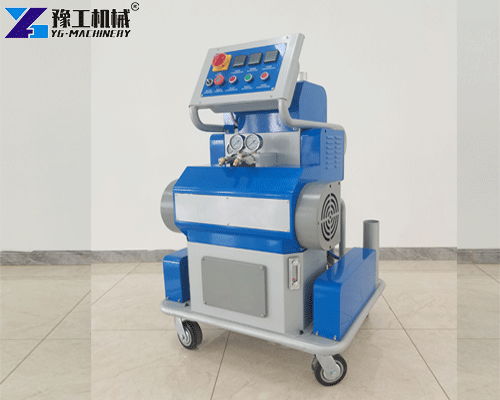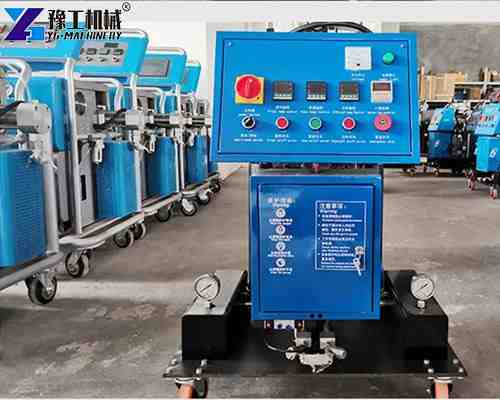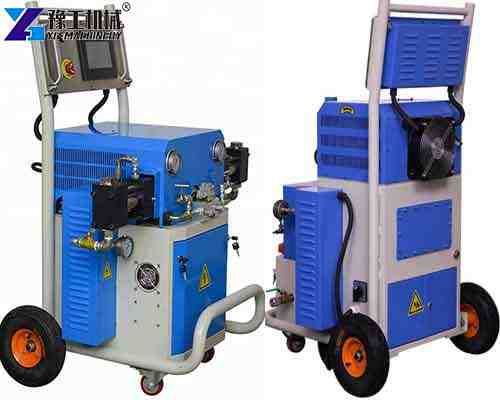
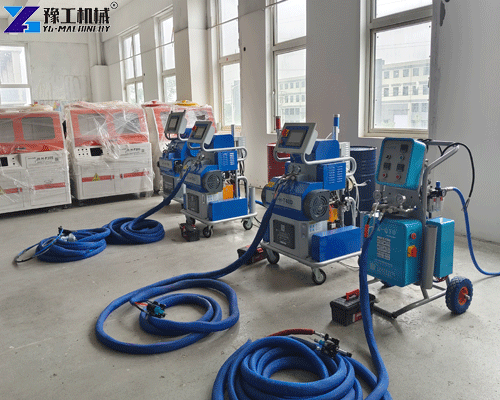
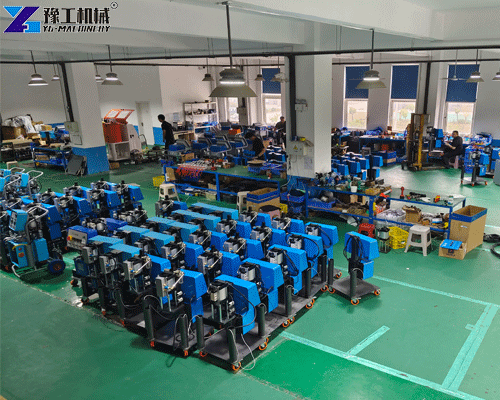
A polyurethane spray machine is widely used across multiple industries as a flexible solution for insulation, waterproofing, and surface protection. Beyond traditional roof insulation, spray-applied polyurethane and polyurea systems are now essential tools in industrial, infrastructure, and vehicle-related projects where efficiency, durability, and coating quality are critical.
This article explores polyurethane spray machine applications in different industries, helping contractors and project owners understand where this technology delivers the greatest value.
Click Here to Get A Free Quote
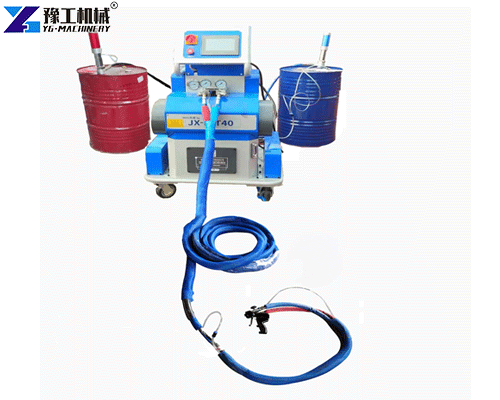
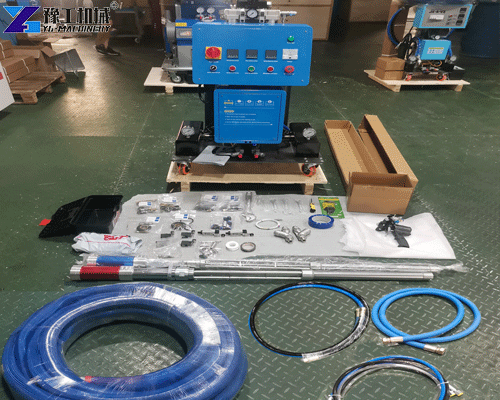
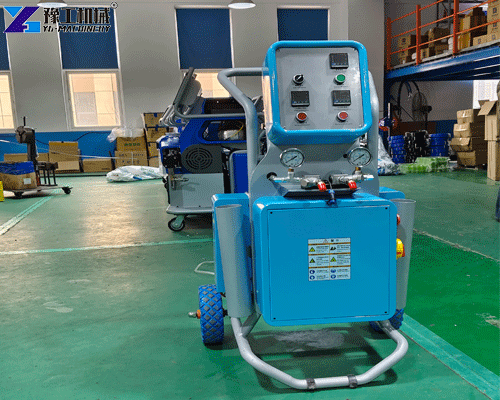
Polyurethane Spray Machine Parameters
| Project | YGMC-500 high configuration PU Machine |
| Proportion Fixed Mainframe | 1 set |
| Self-cleaning spray gun | 1 set |
| Gross weight | 300KG |
| Net weight | 250KG |
| Feed pump | 2 sets |
| Heated hose | 49.2 ft (15 m) |
| Data ratio of raw materials | 1: 1 (fixed) |
| Raw material viscosity range | 200-1000CPS (at working temperature) |
| Max Working pressure | 35MPa (350 bar) |
| Maximum Fluid Temperature | 88 ° C (190 ° F) |
| Maximum output | 24kg/min (42 lb/min) |
| Each heater power | 6000W |
| Heating hose power | 1000W / 15m |
| Total power | 15000W |
| Voltage | 230V 1-ph / 3-ph 220V/400V 3-ph |
| Machine size | 870mm* 700mm* 1150mm |
Click Here to Get A Free Quote
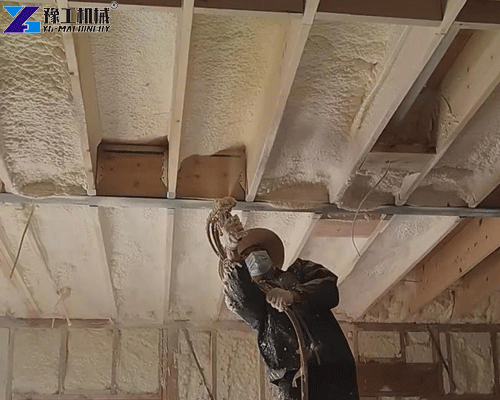
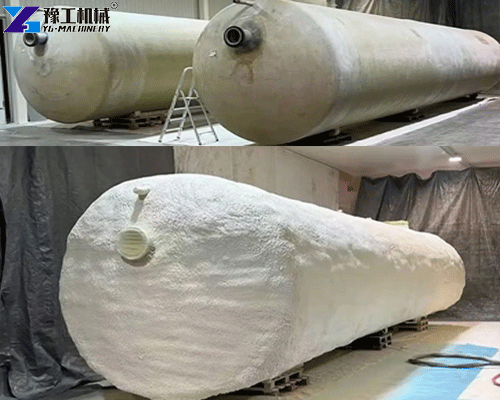
Roof Insulation & Waterproofing Applications
Roof insulation and waterproofing remain one of the most common uses of polyurethane spray machines.
Spray-applied polyurethane foam creates a seamless insulation layer that minimizes thermal bridging, while polyurea coatings provide long-term waterproof protection for flat and complex roof structures. Compared with membrane or roll-based systems, spray application allows faster coverage and consistent thickness, even on irregular surfaces.
Typical projects include:
- Industrial factory roofs
- Commercial buildings
- Renovation of aging waterproof layers
For roofing contractors, spray systems significantly reduce labor intensity and project duration.
Cold Storage and Refrigeration Insulation
Cold storage facilities place strict demands on insulation performance and continuity.
Polyurethane spray machines are widely used in:
- Cold rooms
- Freezers
- Food processing facilities
Spray foam insulation ensures airtight sealing around joints, corners, and penetrations, reducing energy loss and preventing condensation issues. The fast curing time of polyurethane materials also minimizes downtime during installation or retrofitting projects.
Click Here to Get A Free Quote
Pipeline and Steel Structure Coating
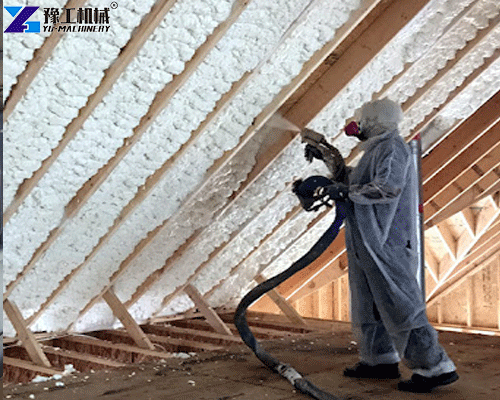
In industrial environments, pipelines and steel structures require reliable protection against corrosion, moisture, and chemical exposure.
Using a polyurethane spray machine, contractors can apply polyurea or polyurethane coatings that:
- Adhere strongly to steel substrates
- Form a continuous, pinhole-free protective layer
- Perform well in both indoor and outdoor environments
These coatings are commonly used in oil & gas facilities, power plants, and industrial infrastructure projects where long service life is essential.
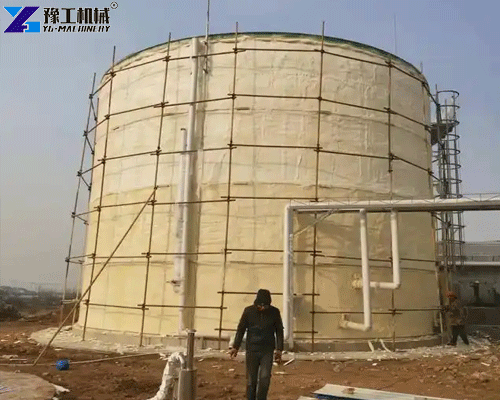
Tank Anti-Corrosion Protection
Storage tanks for water, chemicals, or industrial materials are highly exposed to corrosion risks.
Spray-applied polyurea coatings provide:
- Excellent chemical resistance
- High abrasion resistance
- Strong adhesion to metal and concrete tank surfaces
Polyurethane spray machines allow efficient coating of both internal and external tank surfaces, ensuring uniform thickness and reducing the risk of coating failure caused by manual application methods.
Click Here to Get A Free Quote
Basement and Foundation Insulation
Basement and foundation areas often face combined challenges of moisture ingress and heat loss.
Polyurethane spray foam insulation is frequently used to:
- Seal foundation walls
- Insulate basements and underground structures
- Improve overall building energy efficiency
Spray application ensures full surface contact, even on uneven concrete surfaces, helping prevent long-term moisture-related damage.
Vehicle and Container Insulation
Beyond construction, polyurethane spray machine applications in mobile and transportation-related applications.
Common examples include:
- Truck and vehicle roof insulation
- Refrigerated vehicle bodies
- Shipping containers converted for storage or housing
Spray foam insulation improves thermal performance while adding minimal weight, making it suitable for both commercial and industrial vehicle applications.
Click Here to Get A Free Quote
Why Polyurethane Spray Machines Are Used Across Industries?
The wide adoption of polyurethane spray machines across industries is driven by several technical advantages:
- Seamless application without joints or overlaps
- Fast curing time, reducing project downtime
- Strong adhesion to multiple substrates
- Compatibility with polyurethane foam and polyurea coatings
- Consistent coating quality independent of surface complexity
These benefits make spray systems a preferred solution for projects requiring long-term performance rather than short-term cost savings.
Choosing the Right Spray System for Your Industry
Different applications place different demands on spray equipment.
When selecting a polyurethane spray machine, contractors should consider:
- Required pressure and output stability
- Heating performance for material viscosity control
- Compatibility with foam and coating materials
- Project mobility and site conditions
Matching the machine configuration to the intended application is critical for achieving reliable and repeatable results.
Click Here to Get A Free Quote
Conclusion: A Versatile Solution for Modern Projects
From roofing and cold storage to industrial pipelines and vehicle insulation, polyurethane spray machines have proven to be versatile tools across a wide range of industries. Their ability to deliver consistent insulation and protective coatings makes them a long-term investment for contractors focused on efficiency, durability, and project quality.
As construction and industrial standards continue to rise, spray-applied polyurethane and polyurea systems are expected to play an even greater role in future insulation and protection projects.