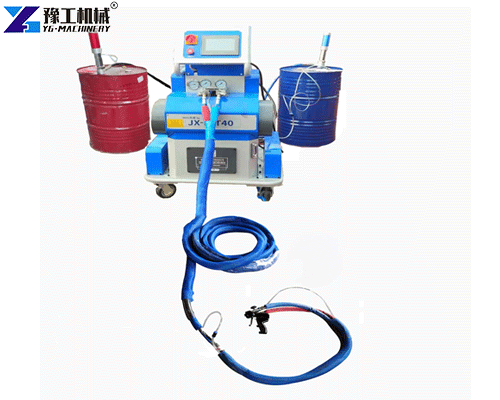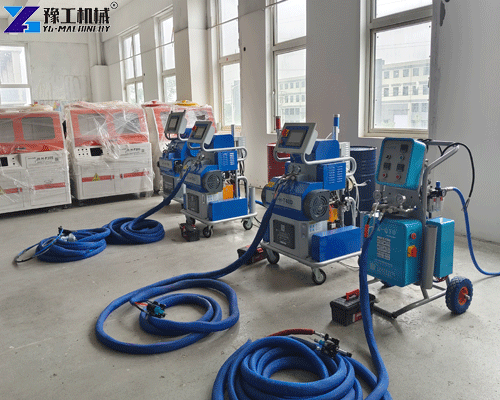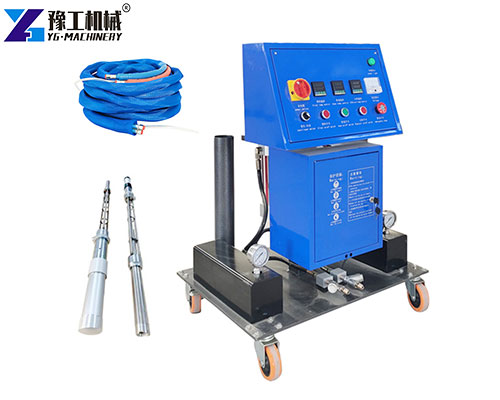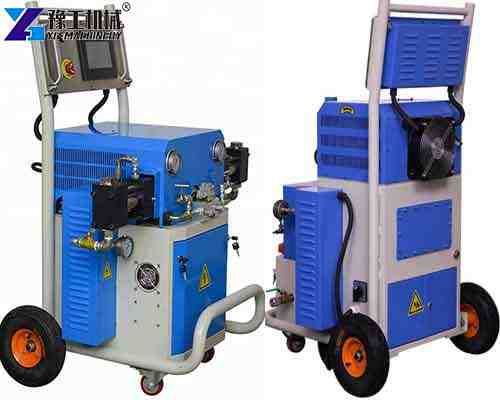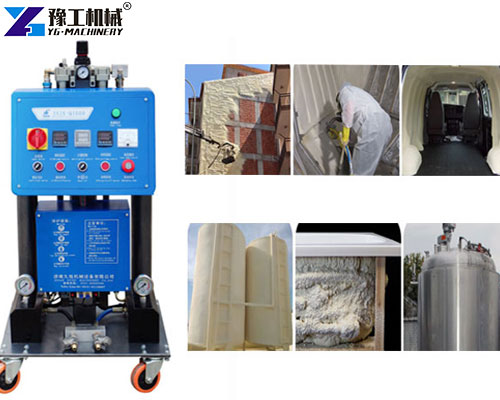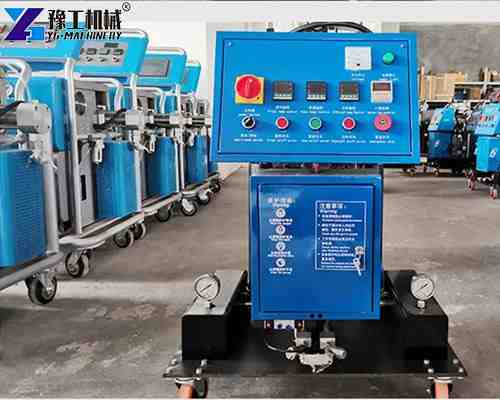
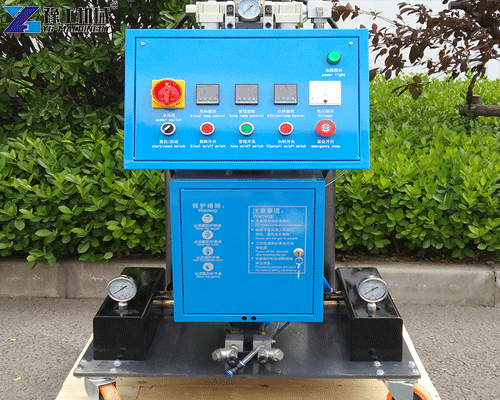
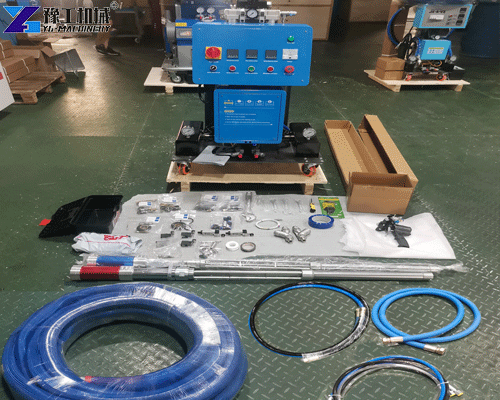
In modern construction, polyurethane spray machines (PU spray machines) have become an essential tool for roof insulation and waterproofing projects. Compared to traditional waterproofing materials and construction methods, Roof insulation spray offer higher construction efficiency, uniform coating, and excellent sealing properties. However, for construction teams using polyurethane spray machines for the first time, ensuring construction quality, controlling thickness, and avoiding common problems are the most important concerns for clients. This article will provide a detailed guide on using polyurethane spray machines to help you achieve the best results in your roof insulation and waterproofing projects.
Click Here to Get A Free Quote
Polyurethane Spray Machine parameters
| Model | YG-25 | YG-30 | YG-28 | YG-36 |
| Power | three-phase 380V 50Hz | three-phase380V 50Hz | three-phase 380V 50Hz | three-phase 380V 50Hz |
| Heating power | 9.5KW | 18KW | 15KW | 22KW |
| Driven mode | pneumatic | pneumatic | pneumatic | hydraulic |
| Air source | 0.5~0.8MPa≥ 0.9m3/minute | 0.5~0.8MPa≥ 1.2m3/minute | 0.5~1 MPa≥ 1m3/minute | 0.5~0.8MPa≥ 0.5m3/minute |
| Material output | 2-10kg/minute | 2-10kg/minute | 2-10kg/minute | 2-12kg/minute |
| Max pressure | 25Mpa | 30Mpa | 28Mpa | 36Mpa |
| AB ratio | 1:1 | 1:1 | 1:1 | 1:1 |
Click Here to Get A Free Quote
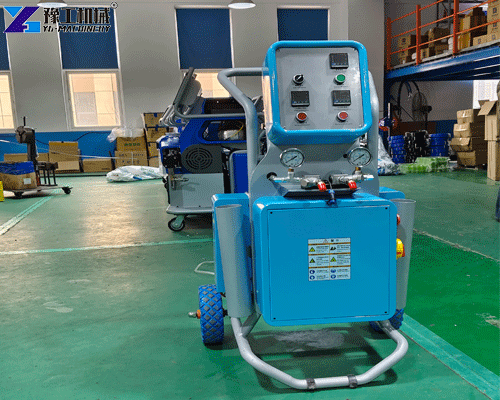
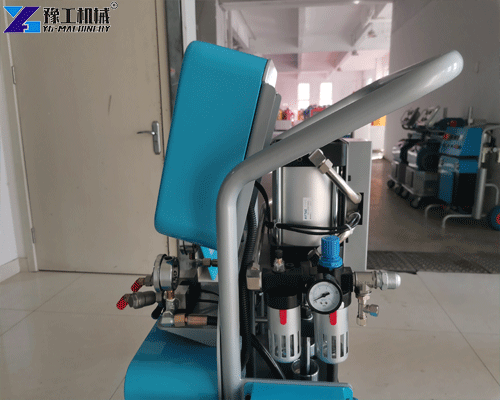
Pre-Construction Preparation for Roof insulation spray
Preparation before construction directly affects the spraying results. The following are the key steps:
Surface Preparation
- Clean the roof surface of dust, oil, loose particles, and moisture.
- Repair cracks and holes to ensure a smooth base surface.
Material Inspection
- Confirm that the PU liquid components are intact and free from contamination, and that the temperature is suitable.
- Calculate the material quantity based on the construction area to avoid shortages during the process.
Equipment Debugging
- Check that the high-pressure pump, heating system, and spray gun of the spray machine are working properly.
- Perform a short-distance test spray to confirm the spraying thickness and spray effect.
Tip: Thorough preparation not only guarantees construction quality but also saves construction time and improves efficiency.
Click Here to Get A Free Quote
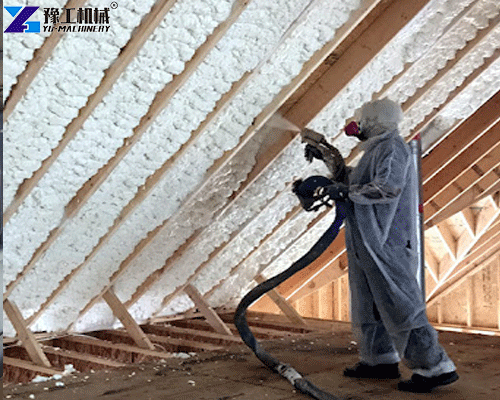
Techniques for Controlling Spraying Thickness, Temperature, and Humidity
In roof insulation and waterproofing projects, controlling spraying thickness, temperature, and humidity is crucial:
Spraying Thickness
According to waterproofing design requirements, a single layer thickness of 1–3 mm is generally recommended, and multiple layers can be applied to a total thickness of 5–10 mm.
Avoid spraying too thickly at once, as this can easily lead to sagging or skinning problems.
Construction Temperature
- PU materials perform best when applied in an environment of 20–35°C.
- Too low a temperature will prolong the curing time, while too high a temperature may cause the coating to sag.
Humidity Control
- PU materials are sensitive to humidity; the recommended humidity for the construction environment is below 70%.
- In rainy weather or when the roof is damp, construction should be delayed or a rain shelter should be used for protection.
Tip: Using a constant temperature heating system can ensure stable material temperature and improve spraying uniformity.
Common Issues and Solutions in PU Spray Application
| Issue | Cause | Solution |
| Skinning | Material not mixed properly or temperature too low | Check mixing ratio and ensure heating system is functioning |
| Sagging | Spray thickness too high or temperature too high | Apply in layers, control the thickness of each layer |
| Uneven Coating | Spray gun operation unstable or spray distance inconsistent | Maintain consistent spray distance and speed, calibrate spray gun regularly |
Click Here to Get A Free Quote
Polyurethane Spray Machine Project Case
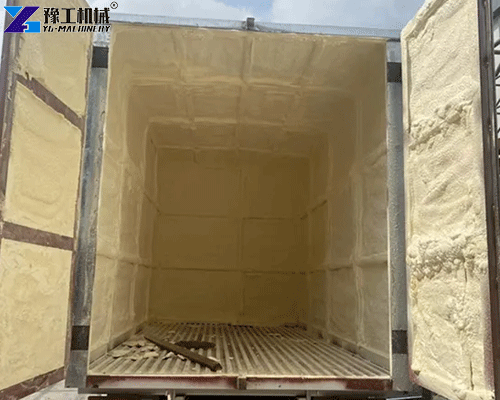
Case 1: Roof Insulation for Truck in Russia
- Location: Russia
- Project Type: Truck roof insulation with PU foam
- Equipment Used: Manual PU spray machine
- Spray Thickness: 2 mm per layer, applied in two layers
- Results: The coating is uniform and well-sealed, effectively improving truck cabin insulation. Construction efficiency increased by approximately 30% compared to traditional hand-applied coatings.
Case 2: Roof Insulation and Waterproofing in Chile
- Location: Chile
- Project Type: Commercial roof insulation and waterproofing
- Equipment Used: Mobile PU spray machine
- Spray Thickness: Applied in three layers, total thickness approximately 7 mm
- Results: Smooth construction process, uniform coating, excellent waterproofing performance, and durable finish.
Click Here to Get A Free Quote
Summary and Recommendations
To achieve optimal results with polyurethane spray foam application, thorough preparation, mastery of techniques for controlling spray thickness, temperature, and humidity, and timely troubleshooting of common problems are essential. Choosing the right equipment, following a scientific construction process, and implementing proper material management will ensure that roof insulation and waterproofing projects meet expectations.