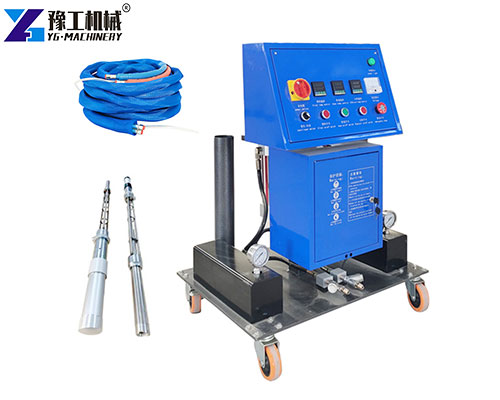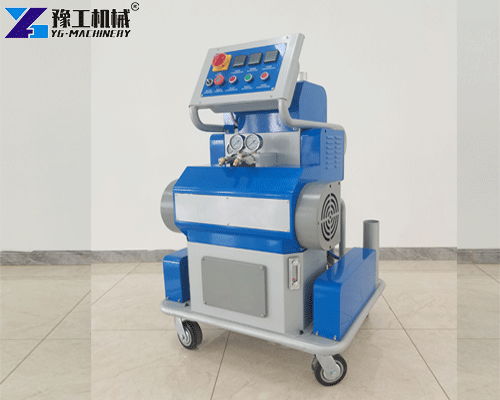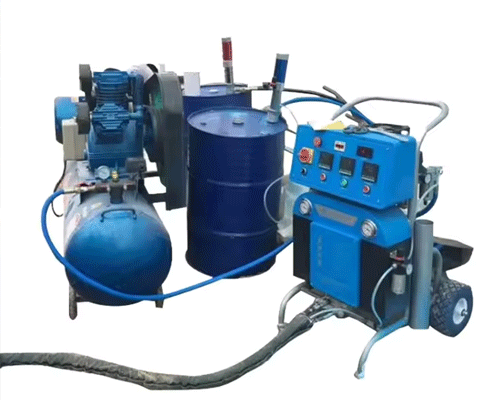
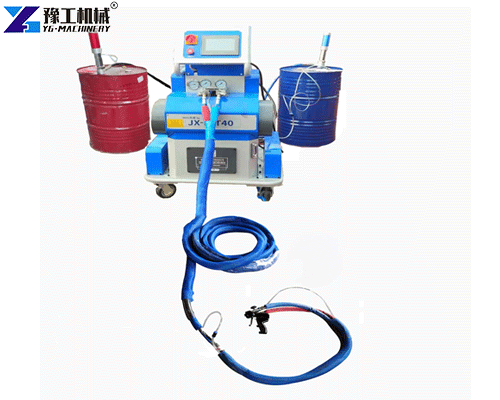
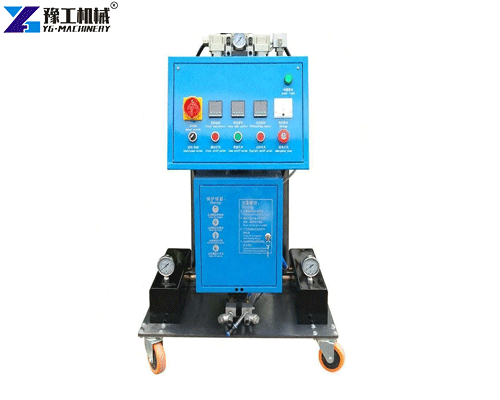
Polyurethane Spray Machine Selection is critical for contractors and industrial operators who work on insulation, waterproofing, or corrosion protection projects. Using the wrong type of spray system can lead to inconsistent coating quality, wasted materials, and project delays. This guide explains the differences between PU, polyurea, and polyurethane foam machines and helps you select the best solution for your project.
Click Here to Get A Free Quote
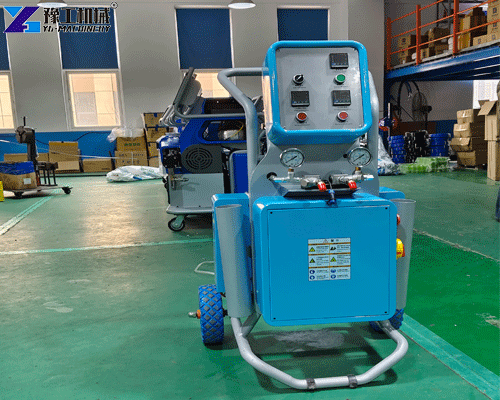
Polyurethane Spray Machine Parameters
| Project | YGMC-500 high configuration PU Machine |
| Proportion Fixed Mainframe | 1 set |
| Self-cleaning spray gun | 1 set |
| Gross weight | 300KG |
| Net weight | 250KG |
| Feed pump | 2 sets |
| Heated hose | 49.2 ft (15 m) |
| Data ratio of raw materials | 1: 1 (fixed) |
| Raw material viscosity range | 200-1000CPS (at working temperature) |
| Max Working pressure | 35MPa (350 bar) |
| Maximum Fluid Temperature | 88 ° C (190 ° F) |
| Maximum output | 24kg/min (42 lb/min) |
| Each heater power | 6000W |
| Heating hose power | 1000W / 15m |
| Total power | 15000W |
| Voltage | 230V 1-ph / 3-ph 220V/400V 3-ph |
| Machine size | 870mm* 700mm* 1150mm |
Click Here to Get A Free Quote
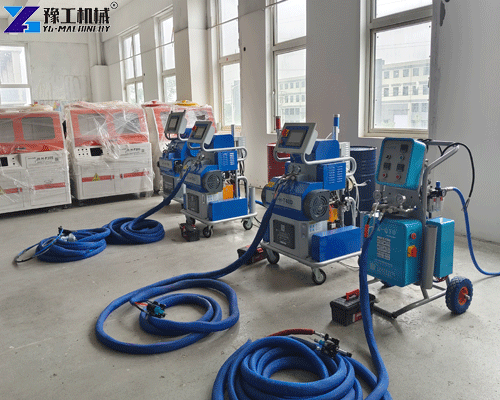
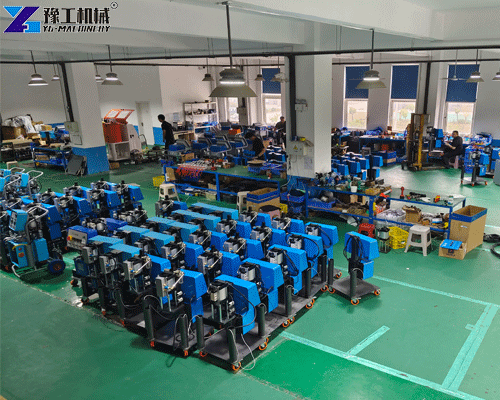
Understanding PU, Polyurea, and Polyurethane Foam
Different coating materials require different machine configurations:
PU (Polyurethane) Spray Machines
- Fast-curing foam used for insulation and waterproofing
- Requires precise proportioning and temperature control
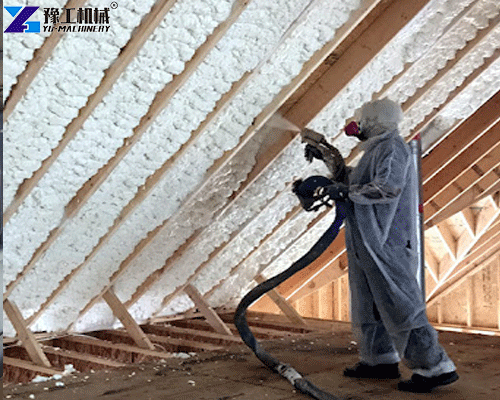
- Ideal for roofs, basements, and walls
Polyurea Spray Machines
- Extremely fast curing, high flexibility, chemical-resistant coatings
- High-pressure equipment recommended
- Common in industrial floors, pipelines, and steel structures
Polyurethane Foam Machines
- Focused on thermal insulation and airtight sealing
- Lower-pressure systems sufficient for building insulation
- Best for cold storage, walls, and roof insulation
Click Here to Get A Free Quote
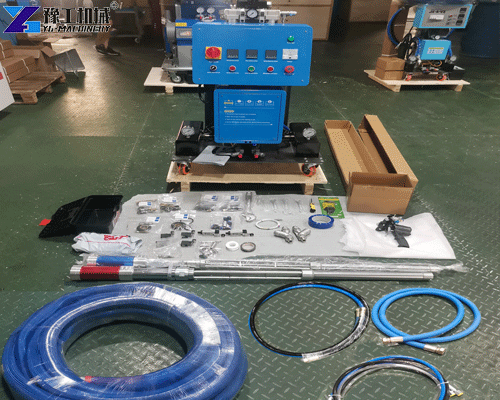
Machine Requirements for Different Materials
Material type dictates several machine parameters:
- Pressure: Polyurea needs high-pressure equipment; PU foam can work at moderate pressure.
- Heating: Fast-curing coatings require precise heater control to maintain viscosity.
- Proportioning: Fixed ratio machines vs adjustable ratio machines depend on material compatibility.
Application-Based Selection: Roofs, Basements, and Steel Structures
Roofs
- PU spray machines for roofing provide seamless insulation and waterproofing.
- Rapid curing ensures minimal downtime.
Basements & Foundations
- Polyurethane foam spray machines seal gaps and prevent moisture ingress.
- Low-pressure systems with accurate proportioning are sufficient.
Steel Structures & Pipelines
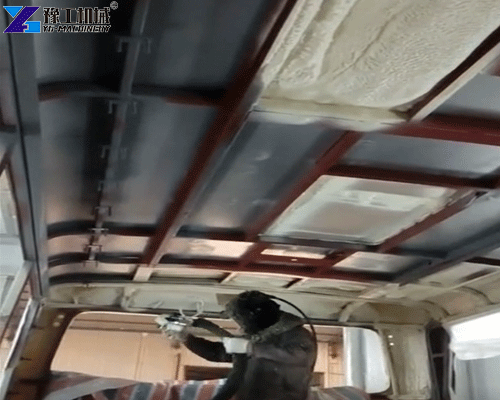
- Polyurea spray machines protect against corrosion and chemical exposure.
- High-pressure, high-temperature systems ensure strong adhesion and uniform coating.
Click Here to Get A Free Quote
Common Mistakes and How to Avoid Them
Many contractors select the wrong machine based on initial cost rather than performance requirements:
- Using a low-pressure PU machine for polyurea applications → poor adhesion
- Ignoring heating requirements → slow curing and uneven coating
- Selecting single-purpose machines for multi-material projects → higher long-term cost
Pro tip: Evaluate machines based on pressure stability, heating performance, and material compatibility instead of just price.
Polyurethane Spray Machine Selection
Selecting the right polyurethane spray machine requires understanding your material, application, and project conditions. By considering the differences between PU, polyurea, and foam systems, contractors can achieve consistent, high-quality coatings, reduce waste, and improve project efficiency.
Investing in the correct machine upfront ensures smoother operations and long-term reliability, making your spray equipment a valuable asset rather than a short-term solution. Contact us to know more details now!【WhatsApp/WeChat/Phone】+86 13837115193.