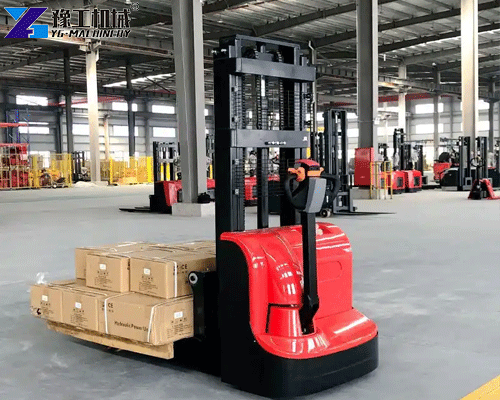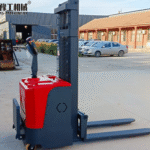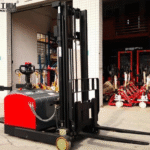
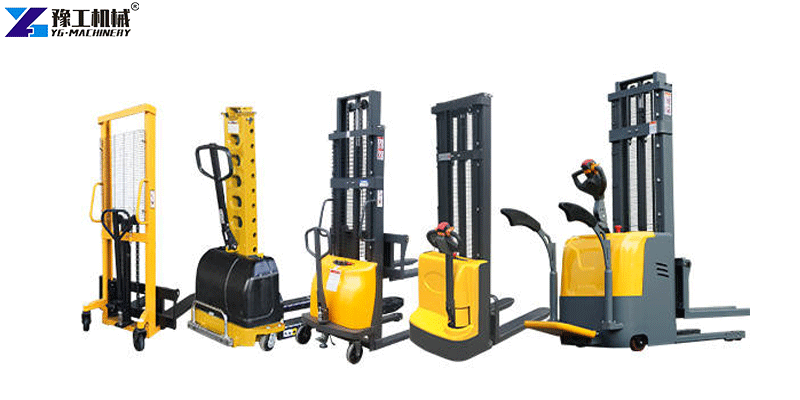
In 2025, a logistics warehouse in Athens, Greece, improved its indoor pallet handling efficiency by adopting an electric stacker pallet jack. The machine addressed space constraints, labor intensity, and pallet stacking accuracy in a medium-sized warehouse.
Project Background: Challenges in Greek Warehouses
Greek warehouses often face the following challenges:
- Limited aisle width: Many older warehouses were designed for manual handling, making it difficult for traditional forklifts to operate efficiently.
- High labor intensity: Manual pallet handling leads to fatigue and slower throughput during peak hours.
- Safety concerns: Operators frequently lift and move pallets manually, increasing the risk of workplace injuries.
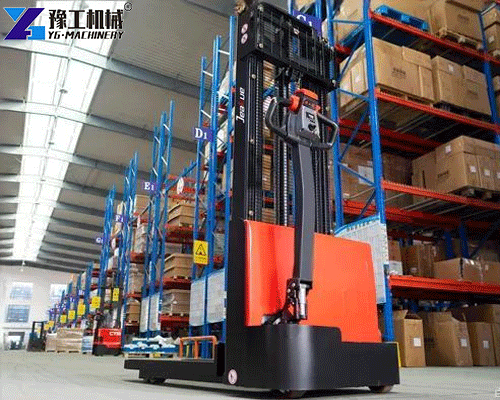
The Athens warehouse in this case distributes consumer goods across local retail stores. Daily operations involve handling hundreds of pallets in narrow aisles with racking systems up to 3.5 meters high.
Click Here to Get A Free Quote
Equipment Overview: Electric Stacker Pallet Jack Configuration
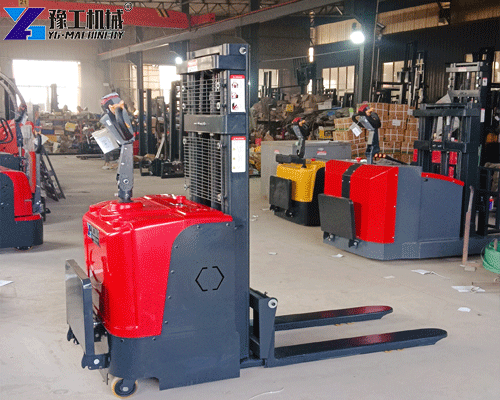
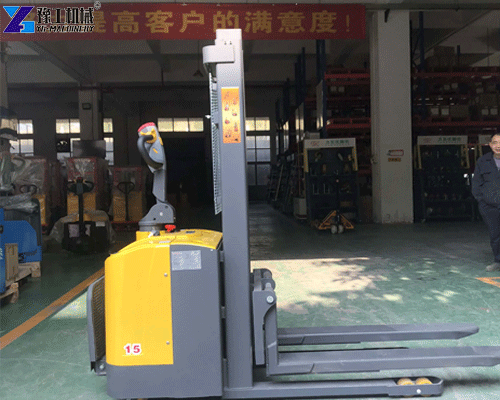
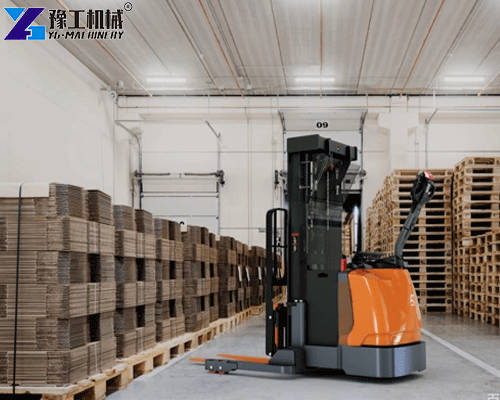
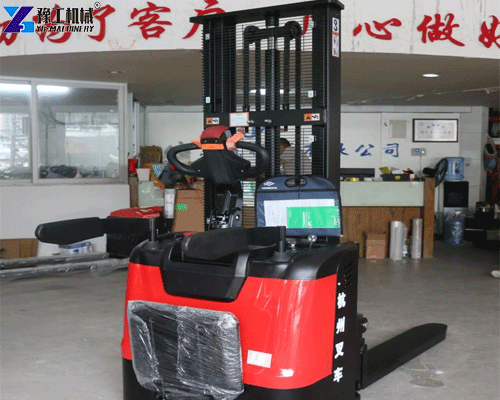
The selected electric stacker pallet jack met the warehouse’s indoor operation requirements.
Key Technical Parameters
- Rated load capacity: 1.2 tons
- Maximum lifting height: 3.5 meters
- Drive type: fully electric travel and lifting
- Operation mode: walk-behind
- Battery: maintenance-free lithium-ion
This configuration allowed safe, precise pallet positioning while reducing operator effort.
Common Warehouse Problems and Solutions
Problem 1: Narrow Aisles and Space Limitations
Traditional forklifts could not navigate efficiently. The electric stacker pallet jack required minimal turning radius and operated safely between racks.
Solution: Compact walk-behind operation enabled pallets to be stacked without repositioning the machine repeatedly. Compared with a warehouse stacker, it performed better in confined spaces.
Problem 2: Labor Fatigue and Operational Efficiency
Operators reported fatigue when lifting and moving pallets manually.
Solution: Electric travel and lifting reduced physical effort. Daily throughput increased by 20% after deployment. Some staff noted it was more convenient than using a hydraulic pallet stacker, especially during peak hours.
Problem 3: Safety and Compliance
Manual lifting and semi-electric machines posed ergonomic risks.
Solution: Controlled electric lifting and emergency stop functions improved workplace safety. Operators found it safer than a walkie pallet stacker for continuous indoor use.
Click Here to Get A Free Quote
Application Scenarios
- Warehouse Pallet Stacking: Ideal for daily stacking and retrieval in narrow racking aisles.
- Distribution and Logistics: Smooth material flow between receiving, storage, and dispatch zones.
- Small Factory Production Lines: Transporting raw materials and finished goods without introducing exhaust emissions indoors.
Additionally, for warehouses considering advanced automation, automatic pallet stacker options may be evaluated for repetitive, high-volume tasks.
Decision Factors and Buyer Logic
Capacity and Lifting Height
The machine’s 1.2-ton rating and 3.5-meter lifting height matched the warehouse’s needs. Over-specifying would increase costs, while under-specifying could compromise safety.
Battery and Daily Use
Lithium-ion battery provided 6–8 hours of continuous operation. Charging time and battery longevity directly impacted productivity in multi-shift operations.
Cost and ROI
Compared with forklifts, the electric stacker pallet jack required lower upfront investment and maintenance. Payback was estimated within 8–10 months, driven by reduced labor hours and increased throughput.
Ease of Training
Operators adapted within one day. Training covered walk-behind operation, safety protocols, and battery management.
Click Here to Get A Free Quote
YG Machinery Solutions
YG provided a tailored solution:
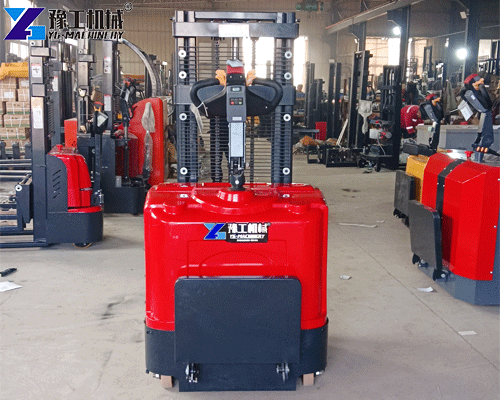
- Compact electric stacker pallet jack suitable for narrow aisles
- Reliable battery system with long lifecycle
- Optional safety accessories, including overload protection and speed control
- Timely delivery and technical support in Greece
This combination ensured operational efficiency and reduced downtime, earning positive feedback from warehouse management.
Results and Benefits
- Throughput increased by 20% without adding staff
- Operator fatigue decreased, improving safety compliance
- Precise pallet stacking reduced product damage and rework
- Lower operational cost compared with manual or semi-electric alternatives
The warehouse confirmed that the electric stacker pallet jack was a practical solution for medium-sized indoor logistics operations in Athens.
Click Here to Get A Free Quote
Common Questions from Buyers
Q1: Can it replace a forklift?
A: It is ideal for indoor short-distance pallet handling but not suitable for long-distance or outdoor transport.
Q2: What factors affect price?
A: Load capacity, lifting height, battery type, and optional safety features.
Q3: Floor suitability?
A: Best on flat, solid surfaces. Uneven floors reduce stability.
Q4: Delivery and support in Greece?
A: YG provides standard delivery, spare parts, and technical guidance for maintenance.
Conclusion
This Greek warehouse case demonstrates that an electric stacker pallet jack is a cost-effective, safe, and efficient solution for indoor pallet handling. By matching equipment design to warehouse conditions, operators achieved measurable productivity improvements. For buyers considering alternatives, including hydraulic pallet stacker, automatic pallet stacker, or walkie pallet stacker, this solution balances performance, safety, and return on investment.