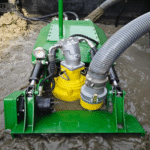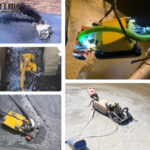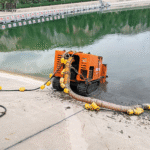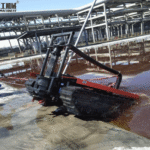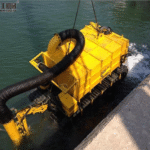
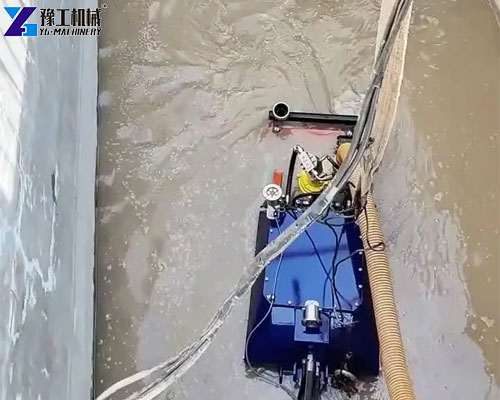
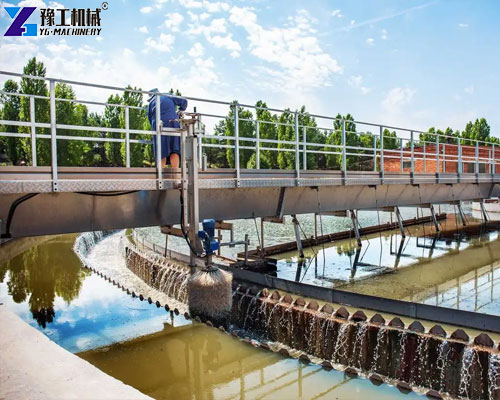
In June 2025, a silt removal robot was deployed for artificial lake maintenance at a private marina in Dubai, where sediment accumulation had reduced water depth and affected boat access. The contractor confirmed that the system removed 980 cubic meters of compacted silt in 15 days, restoring the designed depth from 1.1 meters to 2.0 meters. Remote operation eliminated diver entry and allowed continuous work near docks and retaining walls. The project demonstrated a practical solution for maintaining artificial waterfront infrastructure in desert environments.
Silt Removal Robot Parameters
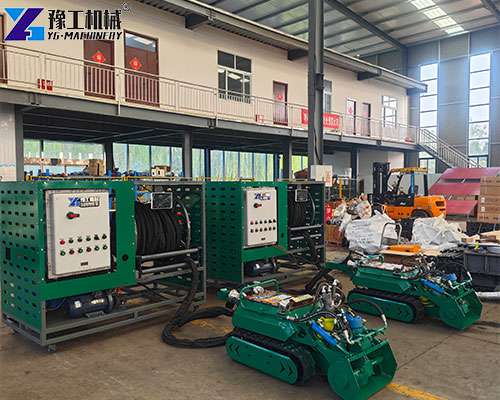
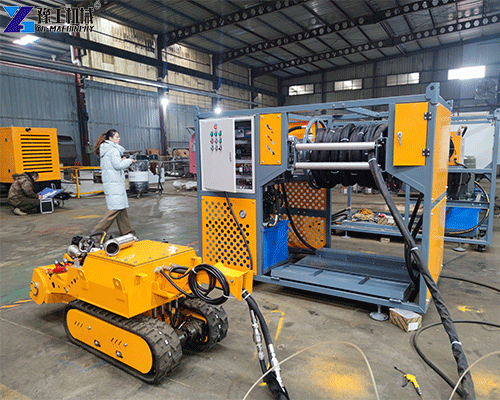
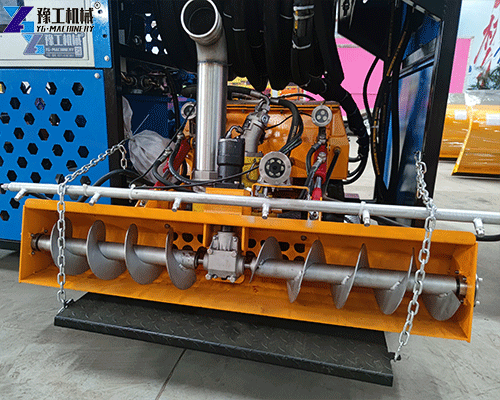
The selected system was configured for marina and artificial lake desilting, where precision and compact size were critical.
Key technical parameters:
- Operating depth: 0.5–12 meters
- Pump flow rate: 150 m³ per hour
- Cutter motor power: 7.5 kW hydraulic drive
- Discharge distance: up to 600 meters
- Mobility: tracked amphibious chassis
- Control mode: wireless remote control, 300-meter range
- Minimum operating width: 1.5 meters
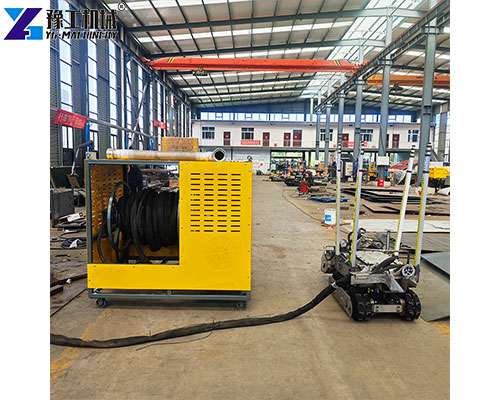
- Power source: shore-based diesel hydraulic station
The compact dimensions allowed entry between marina docks without dismantling infrastructure.
Problem: Artificial lake sediment reduced marina usability
Artificial lakes in the UAE accumulate sediment due to wind-blown sand, organic debris, and suspended particles from circulation systems.
Site inspection revealed:
- Sediment thickness: 0.4 to 0.9 meters
- Lake area: 6,500 m²
- Reduced navigation depth in docking areas
- Increased turbidity affecting water quality
Maintenance had been delayed because manual dredging was unsafe and expensive. Diver-assisted suction removal was estimated to require 45 days and posed safety risks due to confined underwater visibility.
Marina operators needed a solution that could work safely near yachts and concrete embankments.
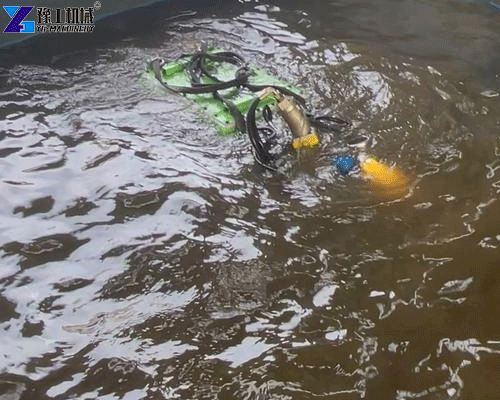
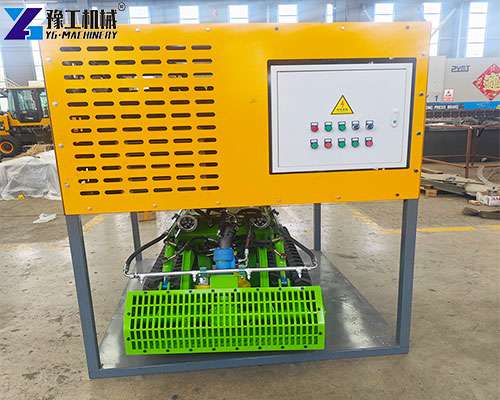
Why a remote control dredging robot was selected?
The contractor evaluated floating dredgers and diver-operated suction pumps.
Floating dredgers were rejected because:
- Minimum operating depth exceeded available depth
- Limited maneuverability near docks
- Mobilization cost exceeded project budget
A remote control dredging robot allowed operators to remain onshore while maintaining precise positioning near structures.
Deployment required:
- One crane lift for installation
- Floating discharge pipeline connection
- Shore-based hydraulic power setup
Total installation time was less than one day.
Operational results and measurable performance
Performance data was recorded daily.
Measured productivity included:
- Average removal rate: 65 m³ per day
- Maximum removal rate: 85 m³ per day
- Total sediment removed: 980 m³
- Project duration: 15 working days
Compared with manual diver removal:
- Labor requirement reduced from 8 workers to 2 operators
- Estimated cost reduction: approximately 55%
- Project completed 30 days faster
Boat access was restored immediately after completion.
Underwater dredging robot improved safety and eliminated diver entry
Safety regulations in UAE marina environments restrict prolonged diver exposure.
Before deployment:
- Divers required frequent rest due to heat and limited visibility
- Risk of injury from submerged debris
After deployment:
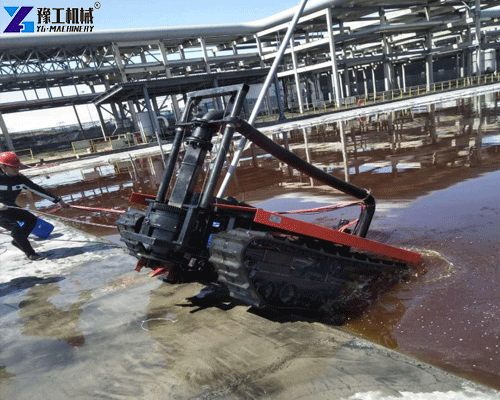
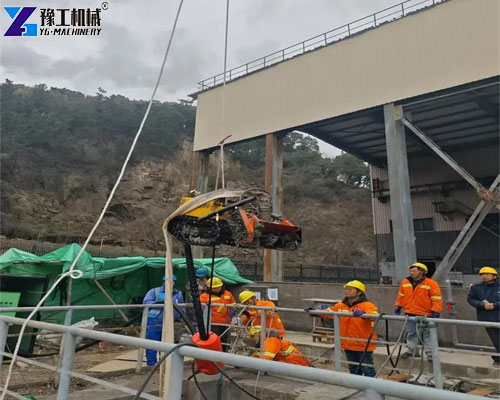
- Operators controlled the machine from shore
- No underwater personnel required
- Continuous operation possible even in low visibility
The contractor reported zero safety incidents during the project.
Performance in desert and high-temperature conditions
Dubai’s environmental conditions include:
- Air temperature: 35–48°C in summer
- High evaporation rates
- Fine sand entering water bodies
The system maintained stable hydraulic performance throughout the project.
Maintenance requirements included:
- Daily inspection: 10 minutes
- Cutter cleaning: once every 4 days
- Hydraulic oil temperature remained within safe range
This confirmed suitability for Middle East climates.
Why a dredging robot is effective for artificial lake maintenance?
Artificial lakes require periodic sediment removal to maintain design depth and water circulation.
Engineering assessment after the project showed:
- Depth restored to original design specification
- Improved water circulation efficiency
- Reduced risk of algae growth due to stagnant zones
Routine maintenance intervals were extended from 1 year to approximately 3 years.
Logistics and delivery timeline to UAE
Delivery and deployment were completed within a standard international project schedule.
Timeline:
- Manufacturing period: 25 days
- Sea transport to UAE: 18 days
- Customs clearance: 5 days
- Installation and commissioning: 2 days
Total preparation time: approximately 50 days
Only two trained operators were required for operation.
Client feedback from UAE marina maintenance contractor
The project manager reported clear operational benefits:
- Faster completion than planned schedule
- Reduced reliance on divers
- Lower total maintenance cost
- Minimal disruption to marina operations
The contractor confirmed plans to use the same system for additional artificial lakes and marina basins.
Common buyer questions about silt removal robot systems
What factors influence price?
Price depends on:
- Pump capacity and cutter power
- Maximum operating depth
- Pipeline length and configuration
- Automation and control features
Higher-capacity configurations improve productivity for large lakes.
What applications are suitable?
Typical environments include:
- Artificial lakes
- Marina basins
- Reservoirs
- Stormwater ponds
- Industrial settling ponds
Compact design allows work near walls and docks.
How many operators are required?
Most projects require:
- One operator
- One technician for pipeline monitoring
This reduces labor requirements significantly.
What maintenance is required?
Routine maintenance includes:
- Hydraulic oil inspection
- Cutter head inspection
- Cleaning of intake components
Maintenance intervals are typically weekly during active projects.
Why contractors choose YG as a reliable manufacturer?
YG provided configuration based on marina depth, sediment density, and transport requirements.
Support included:
- Pre-deployment technical consultation
- Customized discharge pipeline design
- Remote installation guidance
- Operator training
This ensured stable performance under UAE environmental conditions.
Proven silt removal robot solution for marina and artificial lake maintenance
This UAE marina project demonstrated that a silt removal robot can safely and efficiently restore artificial lake depth while reducing labor, cost, and project duration. The system removed nearly 1,000 m³ of sediment in just 15 days and operated reliably under desert conditions. It provides a practical solution for marina operators, municipalities, and infrastructure contractors responsible for maintaining artificial water bodies.