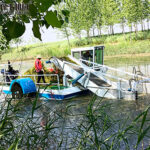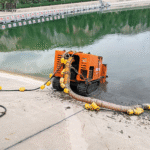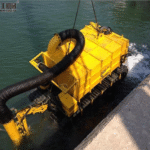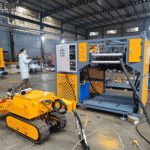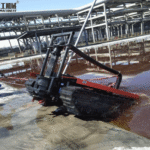
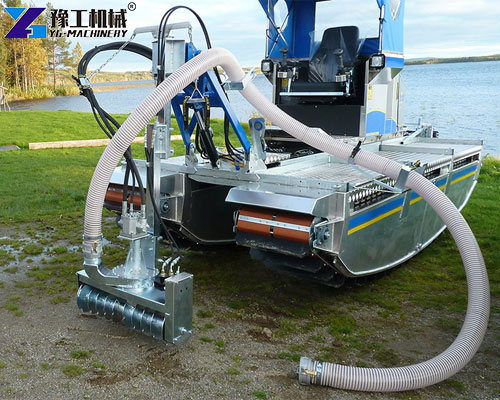

A lake cleaning machine for sale is a specialized water management device designed to remove sediment, floating debris, and aquatic vegetation from lakes, ponds, and reservoirs. This equipment improves water quality, restores water flow, and helps maintain ecological balance. Modern lake water cleaning machine systems often combine dredging, cutting, and collection functions to handle different types of lake pollution efficiently.
Lake Cleaning Machine Parameters
| Dimension: | 1220*890*520mm | Speed: | 2.5-4KM/h |
| Self Weight: | 120kg | Designed Load: | 100-300kg |
| Waterproof: | IP68 | Rated Torque: | 100-500 NM |
| Track Width: | 130mm | Reducer Efficiency: | 65-85% |
| Gear Ratio: | 1:10-1:40 | Motor Voltage: | 380ACV (customized as local voltage) |
| Motor: | 0.75-1.5KW*2 | Climbing Ability: | ≤30°(can climb stairs) |
| Motor Rated Speed: | 1500r/min | Maximum Span: | 620mm |
| Cable Control Distance: | Standard 50m, maximum 150m | Over-Obstacle Capacity: | 130mm |
| Maximum Underwater Depth: | 30m | Power Supply: | Generator or 380V power supply |
Key Advantages of Lake Water Cleaning Machines
A modern lake water cleaning machine offers several operational benefits compared with manual cleaning or traditional dredging methods.
Higher efficiency
- Continuous mechanical removal of sediment and aquatic plants
- Large working coverage in a single operation cycle
Reduced labor requirements
- One operator can control the equipment
- Less dependence on manual cleaning teams
Improved environmental management
- Removes excess nutrients stored in sludge
- Helps reduce algae growth and water eutrophication
Adaptability
- Can operate in lakes, reservoirs, lagoons, and ponds
- Suitable for municipal, agricultural, and environmental projects
These advantages make lake cleaning equipment an important tool in long-term water management programs.
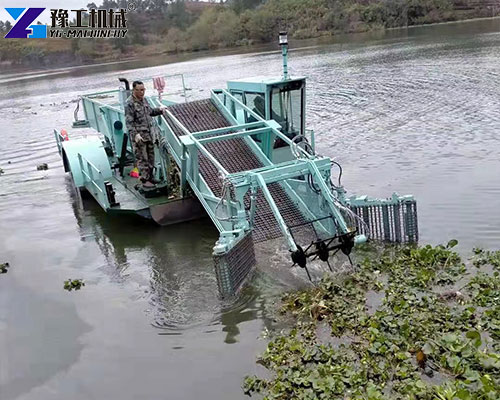
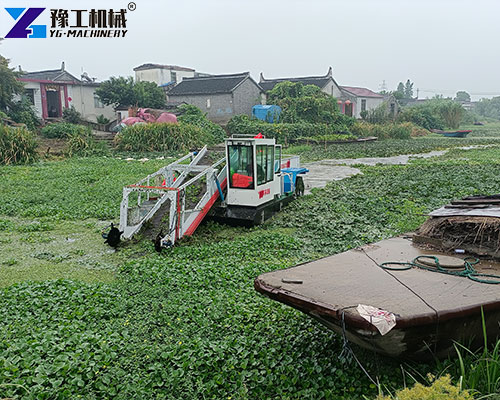
Typical Applications of Lake Cleaning Equipment
A lake cleaning machine for sale is commonly used in projects that require regular water maintenance or environmental restoration.
Common application scenarios include:
- Lake sediment removal in recreational lakes and reservoirs
- Urban landscape lake cleaning for parks and tourism areas
- Aquatic weed removal in irrigation reservoirs
- Pond and lagoon maintenance in aquaculture farms
- River and canal cleaning to restore water flow
Many municipalities use lake water cleaning machine systems to prevent sediment accumulation and maintain water circulation.
What Affects the Price of a Lake Cleaning Machine?
The price of a lake cleaning machine for sale varies depending on configuration, capacity, and project requirements.
Key factors influencing cost include:
Cleaning capacity
- Sediment pumping capacity (m³/h)
- Weed harvesting width
Working depth
- Maximum dredging depth
- Pump head and discharge distance
Power system
- Diesel engine or electric motor
- Total installed power
Automation level
- Manual control
- Hydraulic control
- Remote or autonomous operation
Material and durability
- Wear-resistant pump materials
- Reinforced cutter heads
Small lake water cleaning machine systems typically cost less than larger dredging vessels designed for heavy sediment removal.

How to Choose the Right Lake Cleaning Machine?
Selecting the correct lake cleaning equipment requires evaluating the characteristics of the water body and the cleaning task.
Key selection factors include:
Water depth
Choose equipment with sufficient dredging depth.
Sediment type
Soft sludge requires less cutting power than compact clay or sand.
Vegetation density
Heavy aquatic weeds may require a cutting and harvesting system.
Working area
Small ponds may require compact machines, while large lakes require higher capacity dredgers.
Transport and installation
Modular floating designs are easier to transport and assemble.
Proper equipment selection improves project efficiency and reduces operating costs.
YG Machinery Lake Cleaning Equipment Capabilities
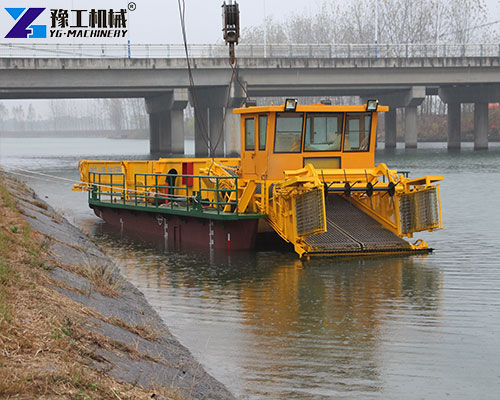
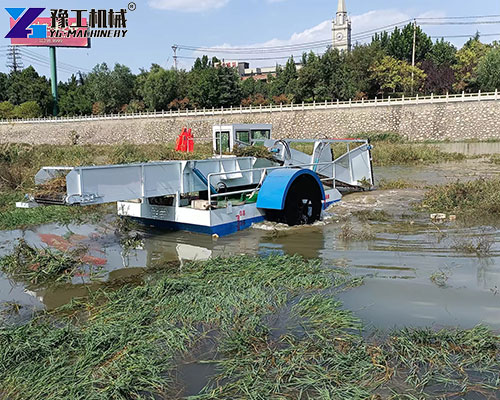
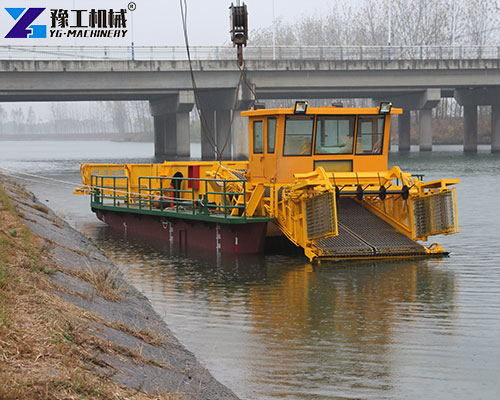
YG Machinery manufactures lake cleaning equipment designed for lake dredging, vegetation removal, and water surface maintenance.
Typical features include:
- Modular floating structure for easy transport
- High-efficiency slurry pumps for sediment removal
- Hydraulic cutter systems for compact sludge layers
- Optional weed harvesting attachments
- Custom configurations for different water conditions
YG systems are used in lake restoration projects, reservoir maintenance, and municipal water management programs.
FAQ about lake water cleaning machine
1.What is the price range of a lake cleaning machine?
The price of a lake cleaning machine for sale usually ranges from $15,000 to $120,000, depending on dredging capacity, working depth, and equipment configuration.
2.What is the difference between lake dredging machines and weed harvesters?
- Lake dredging machines remove sludge and sediment from the bottom.
- Aquatic weed harvesters cut and collect floating or submerged vegetation.
Some lake water cleaning machine systems combine both functions.
3.What types of lakes can this equipment clean?
A lake cleaning machine can operate in:
- Natural lakes
- Artificial reservoirs
- Urban landscape lakes
- Aquaculture ponds
- Irrigation canals
4.How often should lakes be cleaned?
The cleaning frequency depends on sediment accumulation and vegetation growth. Many lakes require maintenance every 1–3 years to prevent excessive sediment buildup.
5.What maintenance does lake cleaning equipment require?
Routine maintenance includes:
- Checking dredging pump wear parts
- Inspecting hydraulic systems
- Cleaning cutter heads and conveyors
- Lubricating moving components
Regular maintenance ensures stable performance and longer service life.
6.What equipment is used for automated lake dredging?
A lake dredging robot or remote controlled dredging machine is often used for automated sediment removal in lakes, ponds, and reservoirs.