In municipal water systems and industrial tanks, a sludge cleaning robot is one of the safest and most controllable solutions for removing sediment in confined or hazardous environments, especially where manual dredging or divers are not feasible.
Unlike traditional dredging equipment, a sludge cleaning robot is designed for precision operation, low disturbance, and remote control, making it suitable for wastewater plants, lakes, reservoirs, chemical tanks, and oil facilities where environmental and safety requirements are strict.
What Is a Sludge Cleaning Robot?
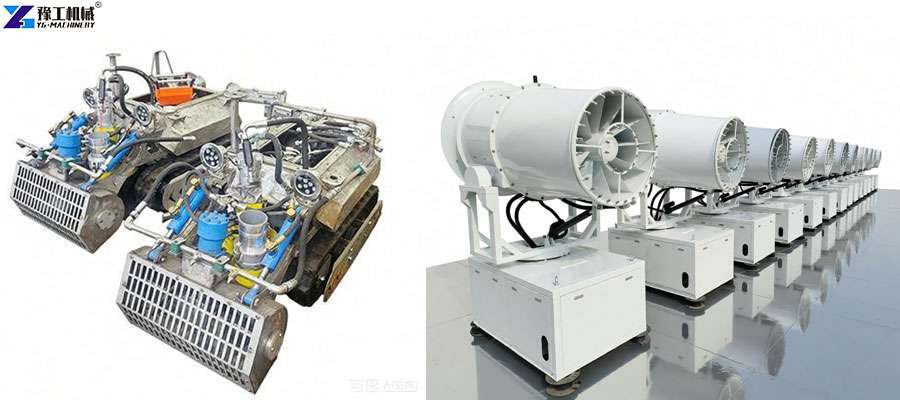
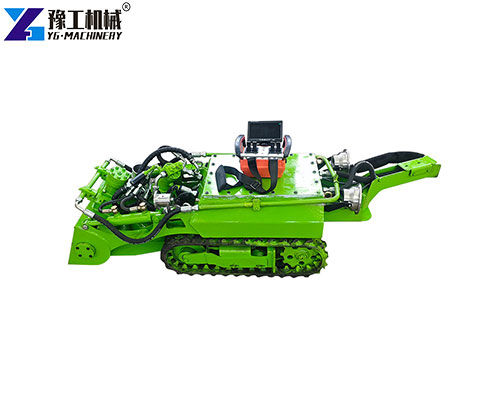
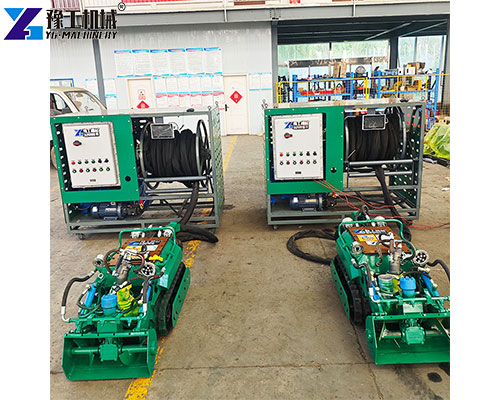
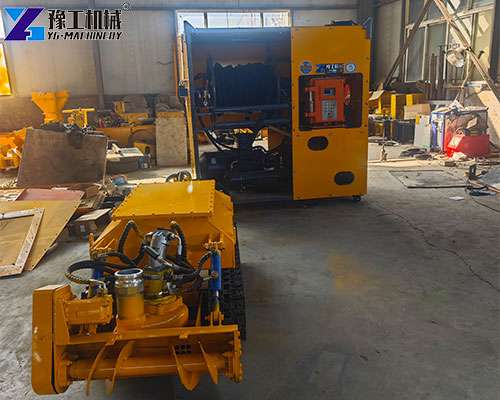
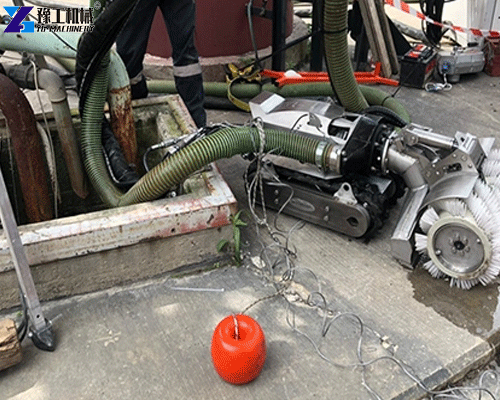
A sludge cleaning robot is an automated or remotely operated underwater dredging system used to remove sludge, sediment, and deposits from water bodies or enclosed tanks. It typically integrates:
- A crawler (tracked) mobility system
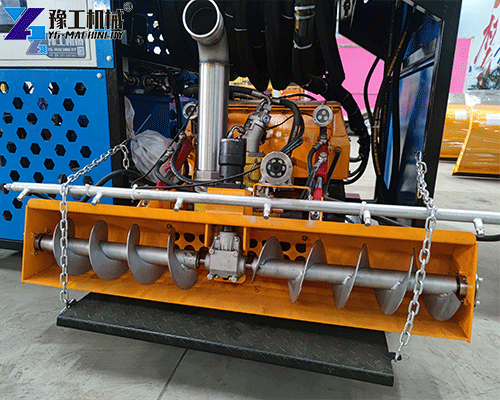
- Suction or cutting dredging mechanisms
- Slurry pumps and discharge pipelines
- Cameras and sensors for real-time monitoring
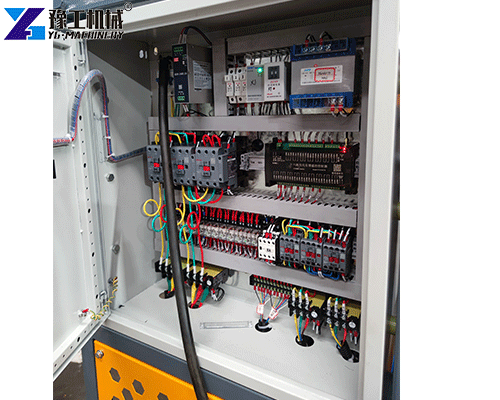
- Remote or wireless control systems
From an engineering perspective, robotic dredging focuses on controlled material removal rather than high-volume excavation, which helps reduce secondary pollution and structural risk.
Click Here to Get A Free Quote
Sludge Cleaning Robot Parameters
| Parameter | YG500 | YG600 | YG700 | YG800 | YG900 | YG1200 |
| Robot Dimensions (mm) | 1500*500*650 | 1500*600*650 | 1600*700*650 | 1600*850*700 | 1650*960*750 | 1900*1200*750 |
| Dredging Width (mm) | 500 | 600 | 700 | 800 | 900 | Suitable for large culverts |
| Travel Speed (m/s) | 3–15 | 3–15 | 3–15 | 3–15 | 3–15 | 0–17 m/min |
| Pump Diameter (inch) | 3 | 3 | 4 | 4 | 4 | 4or6 |
| Pump Flow (m³/h) | 100 | 100 | 160 | 160 | 200 | 250 |
| Pump Head (m) | 0–30 | 0–30 | 0–25 | 0–25 | 0–25 | 0–30 (Horizontal: 100–150m) |
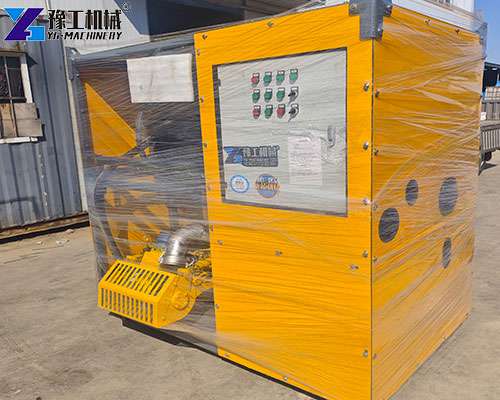
| Hydraulic Station Dimensions (mm) | 2200*1200*1700 | 2200*1200*1700 | 2200*1200*1700 | 2200*1200*1700 | 2200*1200*1700 | 2120*1240*1200 |
| Main Motor Power (kW) | 18 | 18 | 22 | 22 | 22 | 45KW (50KW) or Diesel 76KW (123KW) |
| Hydraulic System Pressure (Mpa) | 0–16 | 0–16 | 0–16 | 0–16 | 0–16 | Not specified |
| Particle Size (mm) | 15 | 15 | 40 | 40 | 50 | 0–40 (customizable) |
| Winch Speed (r/min) | 0–10 | 0–10 | 0–10 | 0–10 | 0–10 | 0–10 |
| Pipe Length (m) | 30–50 Optional | 30–50 Optional | 30–50 Optional | 30–50 Optional | 30–50 Optional | 30m/pack, 20kg pressure resistant, optional |
| Control System | Wireless Remote | Wireless Remote | Wireless Remote | Wireless Remote | Wireless Remote | Wireless Remote |
| Lighting System | Underwater LED*2 | Underwater LED*2 | Underwater LED*2 | Underwater LED*2 | Underwater LED*2 | Underwater LED*2 |
Click Here to Get A Free Quote
How Does a Sludge Cleaning Robot Work?
The operating logic follows a repeatable and controllable process:
- The robot is lowered into the target water body, tank, or basin
- A crawler system stabilizes the robot on the sludge surface
- Cutting heads or suction inlets loosen and collect sediment
- Sludge is transported through pipelines via a pump system
- Cameras and sensors provide real-time feedback for precise control
This workflow allows operators to adjust dredging depth, speed, and coverage, ensuring accurate sludge removal with minimal impact on surrounding water quality or structures.
Click Here to Get A Free Quote
Key Advantages of Sludge Cleaning Robots
1. Precision Dredging with Environmental Control
Robotic systems allow targeted sludge removal, reducing sediment resuspension and secondary pollution. This is critical in lakes, reservoirs, and drinking-water-related facilities.
2. Improved Safety in Hazardous Conditions
Remote operation eliminates the need for divers or manual cleaning in confined, toxic, or oxygen-deficient environments.
3. Adaptability to Confined and Irregular Spaces
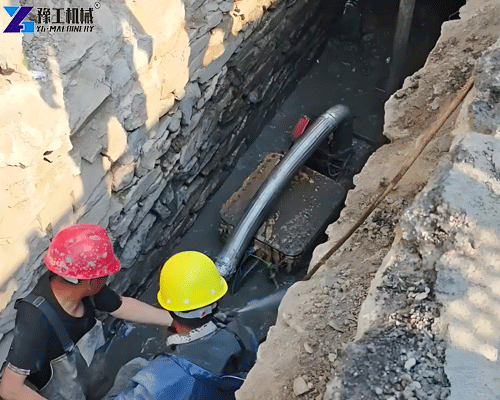
Crawler dredging robots can operate in narrow tanks, shallow basins, pipelines, and uneven riverbeds where traditional dredgers cannot enter.
4. Stable Long-Term Operation
Designed for continuous working cycles, sludge cleaning robots maintain stable efficiency with reduced downtime when properly maintained.
5. Lower Lifecycle Cost
Although the initial investment may be higher than manual cleaning, reduced labor, improved safety, and consistent performance result in lower long-term operating costs.
Click Here to Get A Free Quote
Application Scenarios of intelligent dredging robot
Municipal and Environmental Projects
- Rivers, canals, and drainage channels
- Lakes, ponds, and reservoirs
- Urban waterway maintenance
Industrial and Commercial Facilities
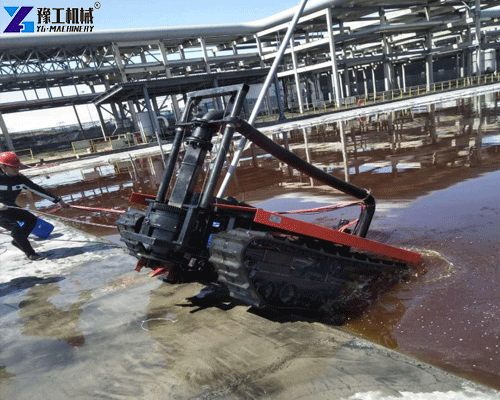
- Wastewater treatment tanks
- Cooling ponds and sedimentation basins
- Power plants and steel factories
Chemical Plants and Oil Facilities
In chemical factories, oil storage tanks, and pipeline systems, sludge cleaning robots are often equipped with explosion-proof systems to meet safety regulations.
Click Here to Get A Free Quote
Explosion-Proof and Safety-Critical Configurations
For flammable or high-risk environments, standard configurations may not be sufficient.
Explosion-Proof Motor Systems
- Prevent spark ignition
- Suitable for chemical and oil-related facilities
- Comply with industrial safety standards
Visual Monitoring Systems
- Underwater cameras for real-time observation
- Essential in low-visibility conditions
Remote Control Operation
- Operators remain outside hazardous zones
- Reduces on-site risk
Crawler Mobility Design
- Tracked walking system
- Stable movement on muddy, sloped, or uneven surfaces
Factors That Affect Sludge Cleaning Robot Price
The price of a sludge cleaning robot varies depending on configuration and project requirements. Key factors include:
- Dredging capacity and machine size
- Electric or hydraulic power system
- Explosion-proof motor requirements
- Visual monitoring and sensor systems
- Automation and remote-control level
- Mobility system (crawler vs. wheeled)
From a procurement standpoint, industrial-grade and explosion-proof configurations typically represent a higher investment than standard municipal models.
Click Here to Get A Free Quote
When a Sludge Cleaning Robot Is NOT Recommended
From an engineering perspective, robotic dredging is not suitable for every project. It may not be recommended when:
- Extremely large-scale dredging volumes require high-output cutter suction dredgers
- Sludge contains oversized debris beyond pump capacity
- Open water conditions allow more economical traditional dredging
Understanding these limitations helps avoid over-configuration and unnecessary cost.
How to Choose the Right Sludge Cleaning Robot
Before purchasing, decision-makers should evaluate:
- Water depth and sludge characteristics
- Environmental and safety regulations
- Explosion-proof requirements
- Space limitations and access conditions
- Maintenance accessibility and service support
For chemical plants and oil facilities, a crawler dredging robot with explosion-proof motors and visual monitoring is strongly recommended.
Maintenance and Operational Considerations
Routine maintenance is essential for long-term reliability:
- Clean pumps and suction systems regularly
- Inspect crawler tracks and drive components
- Check cables, seals, and explosion-proof housings
- Verify camera and control system performance
Preventive maintenance significantly reduces unexpected downtime.
Click Here to Get A Free Quote
Sludge Cleaning Robot Solutions from YG Machinery
YG Machinery provides sludge cleaning robot solutions for municipal, industrial, and hazardous applications. The focus is on engineering practicality, system stability, and safety-oriented configuration rather than generic equipment supply.
With experience in international projects, YG Machinery supports customers through:
- Configurable underwater dredging robots
- Crawler dredging robot systems for uneven terrain
- Visual monitoring and remote control platforms
- Technical guidance and after-sales support
FAQ
Q1: What is the typical price range of a sludge cleaning robot?
Prices generally depend on capacity and safety configuration. Contact us to know more details now!【WhatsApp/WeChat/Phone】+86 13837115193.
Q2: When is an explosion-proof motor required?
In chemical plants, oil tanks, pipelines, and other flammable environments.
Q3: What is the difference between crawler and wheeled robots?
Crawler systems provide better traction and stability on muddy or uneven surfaces.
Q4: What environments are suitable for underwater dredging robots?
Rivers, lakes, tanks, canals, reservoirs, wastewater systems, and industrial basins.