Sediment Dredging Robot Used in Jakarta River Restoration, Indonesia

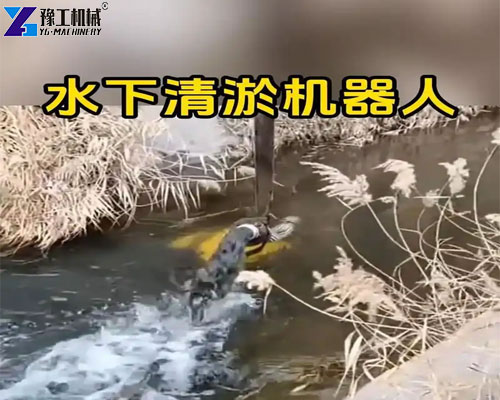
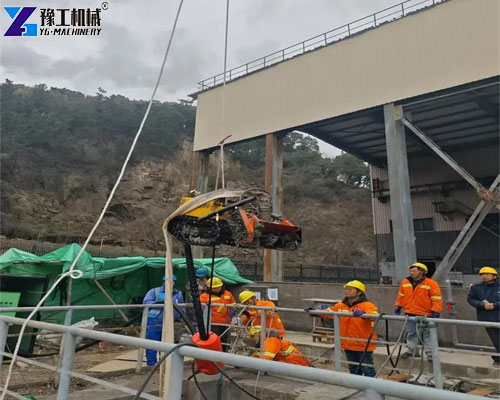
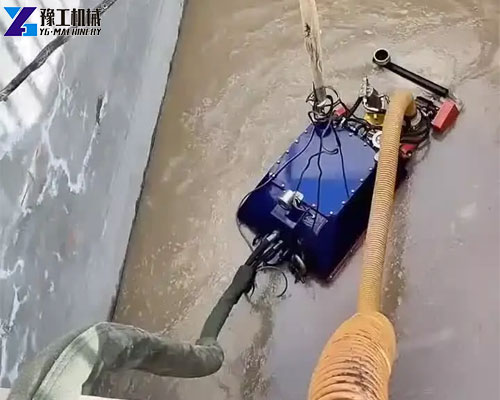
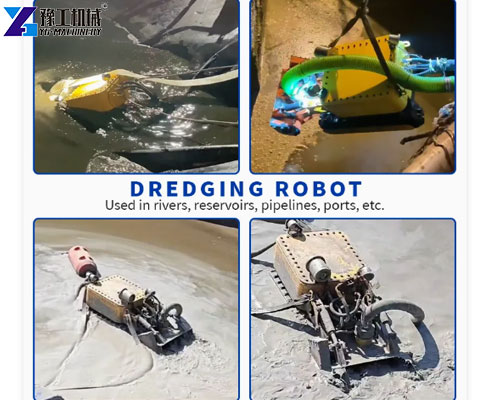
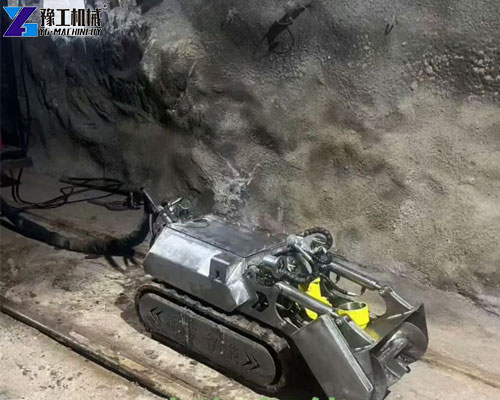
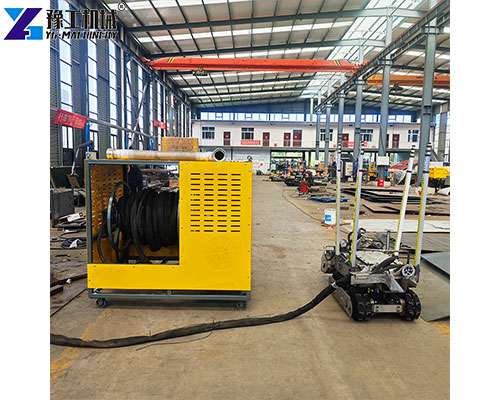
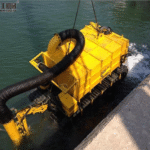
compact dredging robot for silt removal
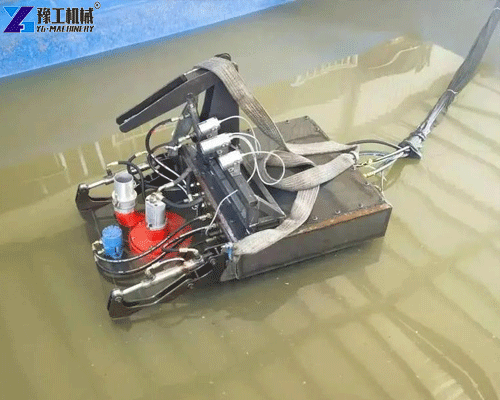
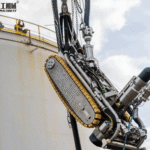
silt removal robot operating in shallow water

In April 2025, a sediment dredging robot was deployed in Jakarta, Indonesia, to restore a heavily silted urban drainage canal connected to the Ciliwung River. The contractor reported that the system removed over 1,200 m³ of sediment, reduced manual labor by 70%, and restored water flow capacity before the monsoon season. The machine operated remotely from the riverbank, avoiding diver entry and minimizing disruption to nearby residential areas. The project demonstrated a practical method for restoring waterways in dense tropical cities where conventional dredging equipment cannot operate efficiently.

Get A Free Quote

Project background: Why Jakarta urgently needed sediment removal?

Jakarta faces frequent flooding due to rapid urbanization, sediment accumulation, and limited drainage capacity. The specific canal in this project had the following conditions:

  • Canal width: 6–9 meters
  • Average water depth: 1.2 meters
  • Sediment thickness: 0.6–1.4 meters
  • Sediment type: compacted silt mixed with plastic debris and organic sludge
  • Accessibility: restricted by bridges, narrow access roads, and nearby housing

Manual dredging had been attempted previously. Each worker could remove only 2–3 m³ per day, and safety risks were significant due to contaminated water.

The contractor needed a system capable of continuous operation in shallow, narrow waterways without heavy infrastructure.

Equipment overview and technical specifications

The selected sediment dredging robot was configured for urban river restoration and confined water environments.

Key technical parameters:

  • Operating depth: 0.5–10 meters
  • Pump capacity: 120–200 m³ per hour
  • Maximum discharge distance: up to 500 meters
  • Cutter power: 5.5 kW hydraulic drive
  • Mobility: tracked amphibious chassis
  • Control mode: wireless remote control, range up to 300 meters
  • Power supply: diesel hydraulic power station on shore
  • Transport width: less than 1.6 meters

The compact structure allowed transport through narrow city streets using a small truck.

Get A Free Quote

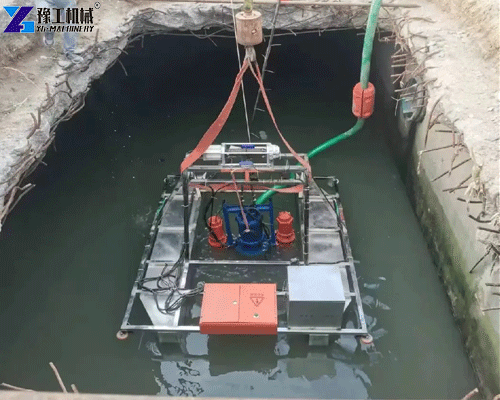
robotic dredging equipment removing river sediment
remote controlled dredging robot removing river sludge

Problem: Manual dredging was slow, unsafe, and inconsistent

The contractor initially relied on manual dredging teams.

Measured productivity data showed:

  • 8 workers removed 20 m³ per day total
  • Estimated completion time: 60 days
  • Workers exposed to polluted water containing bacteria and industrial waste
  • Sediment compaction required heavy physical effort

Flood risk increased as the rainy season approached. Delay could result in overflow affecting nearby homes.

Traditional excavators were not feasible due to:

  • Limited riverbank access
  • Risk of structural damage to canal walls
  • Insufficient reach in narrow sections

A mechanized solution was required.

Solution: Remote-controlled sediment dredging robot enabled continuous removal

The contractor selected a remotely operated system designed for confined waterways.

Deployment process included:

  • Installation of shore-based hydraulic power unit
  • Placement into canal using a small crane
  • Connection to floating discharge pipeline
  • Remote control operation from the riverbank

The machine used a rotating cutter head to loosen compacted silt and pump it through pipelines to a designated disposal area.

Measured operational performance:

  • Average removal rate: 65 m³ per day
  • Peak removal rate: 90 m³ per day
  • Operating hours: 8 hours per day
  • Total removal volume: 1,200 m³
  • Project duration: 18 days

This represented a three-fold increase in productivity compared to manual methods.

Get A Free Quote

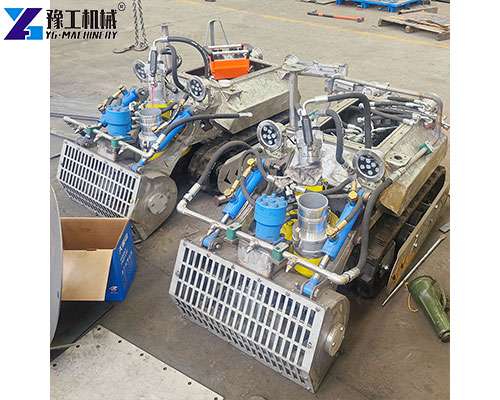
sediment dredging robot
compact dredging robot for canal restoration

Why an industrial dredging robot was chosen instead of conventional dredgers?

The contractor evaluated floating cutter suction dredgers but rejected them for several reasons.

Constraints:

  • Canal too narrow for floating dredger maneuvering
  • Water depth insufficient for conventional hull-based systems
  • Mobilization cost exceeded project budget

The industrial dredging robot provided:

  • Compact footprint suitable for narrow canals
  • Minimal setup time (less than one day)
  • Lower mobilization and transport cost
  • Ability to operate in shallow water

This made it more suitable for urban restoration work.

Operational safety improvements compared with manual dredging

Safety was a major decision factor.

Before deployment:

  • Workers entered contaminated water directly
  • Exposure risk included infection and chemical hazards

After deployment:

  • Operators remained onshore
  • No diver entry required
  • Remote monitoring reduced accident risk

The contractor reported zero safety incidents during the project.

Get A Free Quote

Application as a sludge cleaning robot in polluted urban waterways

Urban waterways in Southeast Asia often contain mixed waste and organic sludge.

This system handled:

  • Organic sludge from sewage inflow
  • Sand and silt carried during rainy seasons
  • Plastic debris and solid waste

The cutter head prevented clogging, allowing stable pumping even with mixed materials.

This improved drainage capacity and water flow velocity.

industrial dredging robot cleaning sedimentation tank
crawler dredging robot restoring reservoir capacity

Performance in tropical climate and high-debris environments

Jakarta’s tropical climate presents operational challenges.

Conditions included:

  • Water temperature: 28–32 °C
  • High humidity
  • Floating garbage

Despite these conditions, the system maintained stable hydraulic pressure and continuous operation.

Maintenance requirements during the project were minimal:

  • Daily inspection: 15 minutes
  • Cutter cleaning: once every 3 days
  • No major mechanical failures reported

Get A Free Quote

Role as a silt removal robot in flood prevention programs

Sediment buildup directly reduces canal capacity.

Engineering estimates showed:

  • Canal capacity increased by 40% after sediment removal
  • Water flow speed improved measurably during rainfall events

Local authorities reported improved drainage efficiency during the following rainy period.

This demonstrated its effectiveness in flood prevention infrastructure.

Logistics and deployment efficiency

Transport and setup efficiency were key advantages.

Deployment timeline:

  • Delivery to Jakarta port: 28 days
  • Customs clearance: 6 days
  • Installation and commissioning: 2 days
  • Operator training: 1 day

Total preparation time: less than 40 days

Only two trained operators were required.

Get A Free Quote

Client feedback from Indonesian contractor

The project manager reported measurable operational benefits:

  • Labor costs reduced by approximately 60%
  • Project completed 42 days faster than manual estimate
  • Improved safety compliance
  • Minimal disruption to nearby residents

The contractor confirmed plans to use similar equipment for future canal maintenance.

crawler dredging robot
robotic dredge for sale

Get A Free Quote

Common buyer questions about sediment dredging robot systems

What affects the price?

Key cost factors include:

  • Pump capacity and cutter power
  • Operating depth capability
  • Pipeline length requirements
  • Remote control and automation features
  • Transport and installation requirements

Higher capacity systems typically reduce long-term operating costs.

What environments are suitable?

Typical applications include:

  • Urban rivers and canals
  • Industrial wastewater ponds
  • Reservoir sediment removal
  • Mining settling ponds
  • Port and marina maintenance

It performs best in shallow or confined waterways.

How many operators are required?

Most projects require:

  • 1 operator
  • 1 support technician

This is significantly lower than manual dredging crews.

What is the expected service life?

With proper maintenance:

  • Hydraulic components: 5–8 years
  • Structural components: 10 years or more

Regular inspection ensures reliable operation.

Get A Free Quote

Why contractors choose YG as a reliable manufacturer?

YG provided technical matching based on the canal’s width, sediment density, and transport constraints.

Support included:

  • Pre-deployment engineering consultation
  • Customized pipeline configuration
  • Remote technical support during installation
  • Operator training and documentation

This ensured successful project execution without delays.

Summary: Proven sediment dredging robot solution for Southeast Asian urban waterways

This Jakarta project demonstrated that a sediment dredging robot can significantly improve productivity, safety, and flood prevention in dense urban environments. The system removed over 1,200 m³ of sludge in less than three weeks, reduced labor requirements, and restored drainage capacity before the rainy season. Its compact design and remote operation make it suitable for canals, reservoirs, and industrial water infrastructure across Southeast Asia and similar regions.

    Please feel free to give your inquiry in the form below. We will reply in 24 hours.

    Product Model:

    Your Name(required):

    Your Email(required):

    Your Phone(required):

    Your country:

    Your Whatsapp(required):

    Your Message(required):

    Scroll to Top