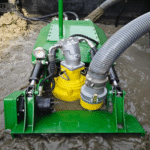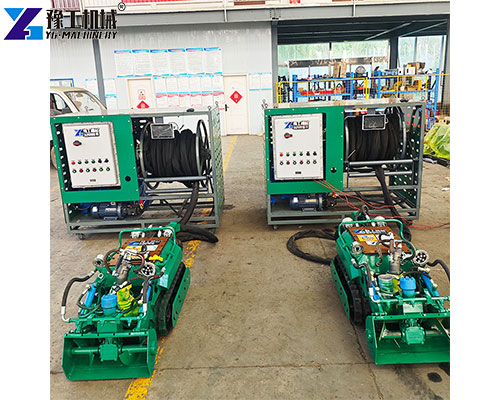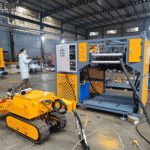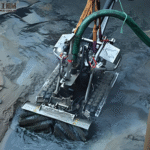
A professional lake cleaning robot is the safest and most efficient solution for removing sludge, sediment, algae, and debris from lakes and rivers. Compared with traditional dredging methods, a robotic system improves efficiency, reduces environmental impact, and lowers long-term maintenance costs.
Why Is Lake and River Cleaning So Difficult?
Maintaining natural water bodies such as lakes and rivers is essential for environmental protection, flood prevention, and urban landscape management. However, dredging and cleaning operations face several serious challenges.
1️⃣ Heavy Sediment and Sludge Accumulation
Over time, lakes and rivers accumulate:
- Organic sludge
- Sand and silt
- Industrial discharge sediment
- Agricultural runoff deposits
- Algae buildup
In many municipal projects, sludge thickness can exceed 0.5–1 meter, significantly reducing water storage capacity and water quality.
2️⃣ Environmental Sensitivity
Lake and river ecosystems are delicate. Traditional large excavators or cutter suction dredgers may:
- Disturb aquatic habitats
- Increase water turbidity
- Damage shorelines
- Cause secondary pollution
Environmental regulations in Europe and other regions are becoming stricter, requiring more precise and low-impact cleaning methods.
3️⃣ Accessibility Challenges
Many lakes and rivers have:
- Shallow water zones
- Narrow channels
- Soft muddy bottoms
- Floating debris
Large dredging vessels often cannot operate effectively in these areas.
4️⃣ High Labor and Safety Risks
Manual or semi-manual dredging exposes workers to:
- Deep water hazards
- Unstable muddy surfaces
- Biological contamination
These risks increase operational costs and insurance liabilities.
Because of these challenges, more municipalities and environmental contractors are adopting advanced solutions such as a robotic lake cleaner or river cleaning robot.
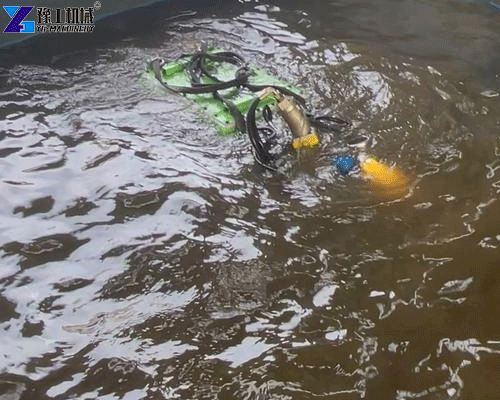
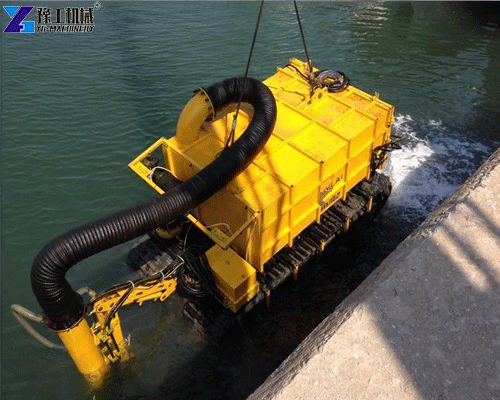
What Is a Lake Cleaning Robot?
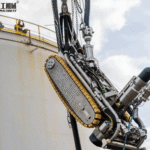
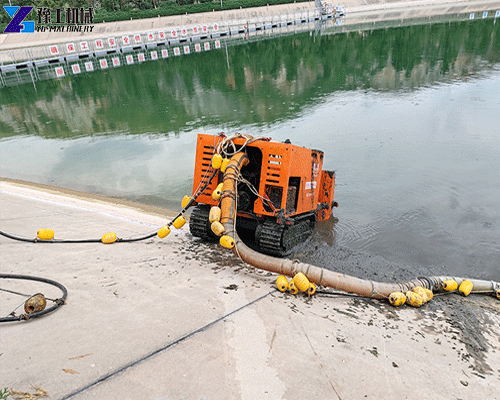
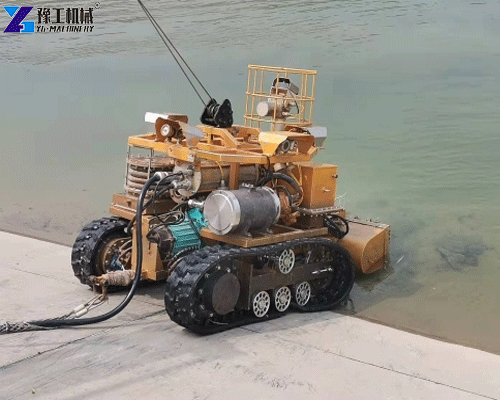
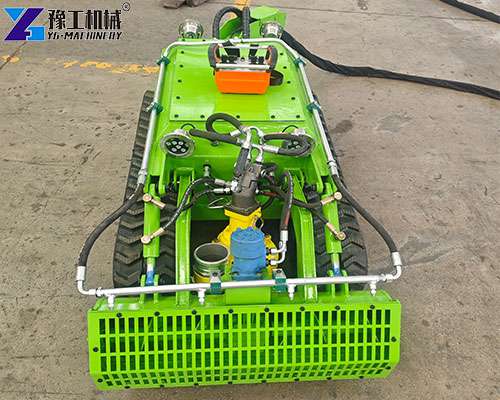
A lake cleaning robot is an intelligent dredging system designed to remove sediment, sludge, algae, and debris from water bodies with minimal environmental disruption.
It typically includes:
- Remote control operating system
- Cutter or agitation device
- High-efficiency pumping system
- Amphibious or floating platform
- GPS positioning (optional)
An advanced lake cleaning machine can operate in shallow water and soft sediment areas where traditional equipment struggles.
Key Advantages of Using a Lake Cleaning Robot
✅ 1. Precise and Environmentally Friendly Dredging
Unlike large dredgers, a robotic lake cleaner allows targeted sediment removal.
Benefits include:
- Reduced turbidity
- Minimal disturbance to aquatic life
- Controlled sediment extraction
- Lower ecological impact
This is especially important for urban landscape lakes and ecological restoration projects.
✅ 2. Strong Adaptability in Shallow and Narrow Areas
A river cleaning robot can operate in:
- Narrow canals
- Urban drainage rivers
- Landscape lakes
- Park water systems
Its compact design allows access to areas unreachable by traditional dredging vessels.
✅ 3. Remote and Safe Operation
The remote control system enables operators to manage the machine from the shore.
Advantages include:
- No need for workers in water
- Reduced safety risks
- Stable and continuous operation
- Lower labor requirements
This improves project safety and efficiency.
✅ 4. Lower Long-Term Operating Costs
Compared with large-scale dredging equipment:
- Lower fuel consumption
- Reduced manpower
- Minimal transport requirements
- Shorter project duration
Many municipalities achieve cost recovery within 1–2 maintenance cycles.
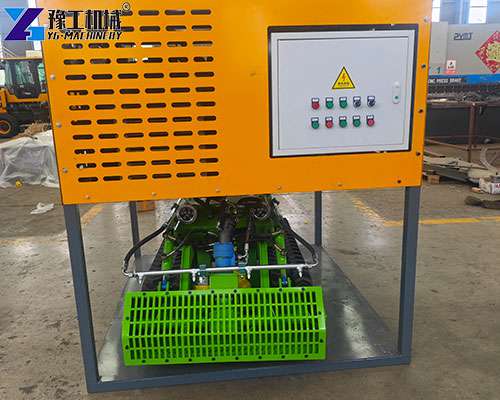
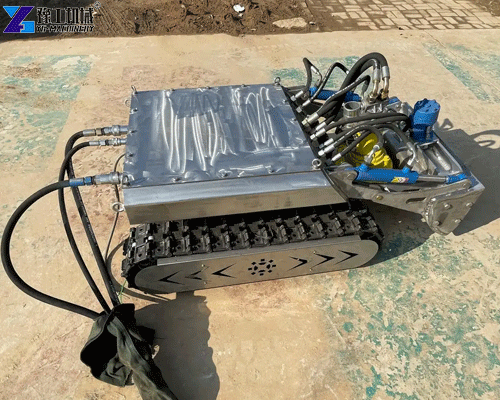
Spain Case Study: Urban Lake Restoration Project
📍 Location: Valencia, Spain
🌊 Application: Urban Park Lake Cleaning
⚙ Equipment Used: YG Lake Cleaning Robot (Electric Type)
Project Background
The Valencia municipal authority faced:
- Severe sludge accumulation in a public park lake
- Algae bloom affecting water quality
- Reduced water depth and unpleasant odor
- Strict environmental compliance requirements
Traditional dredging equipment was considered too invasive and expensive.
Solution Provided
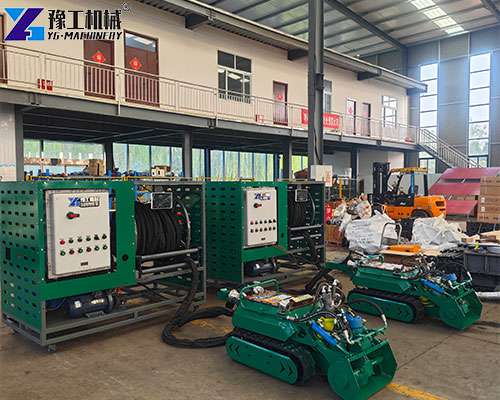
YG supplied a customized lake cleaning machine featuring:
- Remote control operation
- Precision cutter head
- Integrated sludge pumping system
- Low-noise electric drive
The machine functioned as both a robotic lake cleaner and a precision sediment removal system.
Results Achieved
- 40% improvement in water clarity
- Significant sludge reduction within 10 days
- Minimal disturbance to aquatic ecosystem
- Reduced operating cost compared to traditional dredging
- Positive public feedback on park restoration
The municipality reported improved water circulation and long-term maintenance efficiency.
FAQ about lake cleaning robot
❓ Can a lake cleaning robot work in very shallow water?
Yes. A lake cleaning robot is designed to operate in shallow zones where traditional dredgers cannot access.
❓ Is it suitable for river cleaning projects?
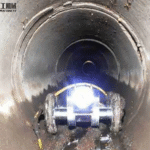
Yes. A river cleaning robot can remove sediment, debris, and sludge from canals, rivers, and drainage systems.
❓ How does it protect the environment?
The robotic system allows controlled dredging with reduced turbidity and precise sediment removal, minimizing ecological disturbance.
❓ What types of sediment can it handle?
It is suitable for:
- Organic sludge
- Sand and silt
- Algae deposits
- Industrial sediment
❓ What is the typical project duration?
Project duration depends on sediment volume, but robotic systems often reduce cleaning time by 30–50% compared with traditional methods.
Technical Highlights of lake dredging robot
| Parameter | YG500 | YG600 | YG700 | YG800 | YG900 | YG1200 |
| Robot Dimensions (mm) | 1500*500*650 | 1500*600*650 | 1600*700*650 | 1600*850*700 | 1650*960*750 | 1900*1200*750 |
| Dredging Width (mm) | 500 | 600 | 700 | 800 | 900 | Suitable for large culverts |
| Travel Speed (m/s) | 3–15 | 3–15 | 3–15 | 3–15 | 3–15 | 0–17 m/min |
| Pump Diameter (inch) | 3 | 3 | 4 | 4 | 4 | 4or6 |
| Pump Flow (m³/h) | 100 | 100 | 160 | 160 | 200 | 250 |
| Pump Head (m) | 0–30 | 0–30 | 0–25 | 0–25 | 0–25 | 0–30 (Horizontal: 100–150m) |
| Hydraulic Station Dimensions (mm) | 2200*1200*1700 | 2200*1200*1700 | 2200*1200*1700 | 2200*1200*1700 | 2200*1200*1700 | 2120*1240*1200 |
| Main Motor Power (kW) | 18 | 18 | 22 | 22 | 22 | 45KW (50KW) or Diesel 76KW (123KW) |
| Hydraulic System Pressure (Mpa) | 0–16 | 0–16 | 0–16 | 0–16 | 0–16 | Not specified |
| Particle Size (mm) | 15 | 15 | 40 | 40 | 50 | 0–40 (customizable) |
| Winch Speed (r/min) | 0–10 | 0–10 | 0–10 | 0–10 | 0–10 | 0–10 |
| Pipe Length (m) | 30–50 Optional | 30–50 Optional | 30–50 Optional | 30–50 Optional | 30–50 Optional | 30m/pack, 20kg pressure resistant, optional |
| Control System | Wireless Remote | Wireless Remote | Wireless Remote | Wireless Remote | Wireless Remote | Wireless Remote |
| Lighting System | Underwater LED*2 | Underwater LED*2 | Underwater LED*2 | Underwater LED*2 | Underwater LED*2 | Underwater LED*2 |
Why Choose YG Lake Cleaning Robot?
- Experience in international environmental projects
- Customizable configurations
- Competitive factory pricing
- Technical support and training
- Proven performance in European markets
YG’s lake cleaning robot provides a modern solution for ecological dredging and water body restoration.
lake cleaning robot for sale
Lake and river cleaning is becoming more challenging due to environmental regulations, sediment buildup, and safety concerns.
A professional robotic lake cleaner or river cleaning robot offers a safer, more precise, and cost-effective alternative to traditional dredging methods.
For municipalities, environmental contractors, and water management authorities seeking efficient sediment removal, investing in a reliable lake cleaning machine is a strategic decision.