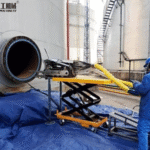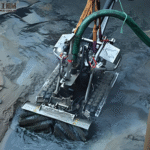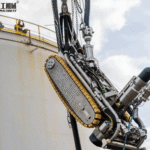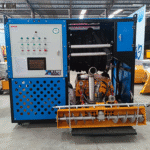
A sedimentation tank dredging robot for wastewater treatment plants provides a safe, efficient, and automated solution for removing sludge, sand, and sediment without draining the tank or sending workers into hazardous confined spaces. Compared with manual cleaning, a robotic sludge removal system can increase cleaning efficiency by over 3× while reducing labor costs and downtime. This technology is now widely used in municipal wastewater facilities, industrial treatment plants, and water recycling systems worldwide.
What Is a Sedimentation Tank Dredging Robot?
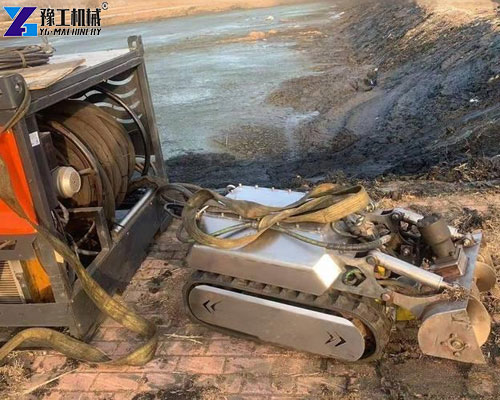
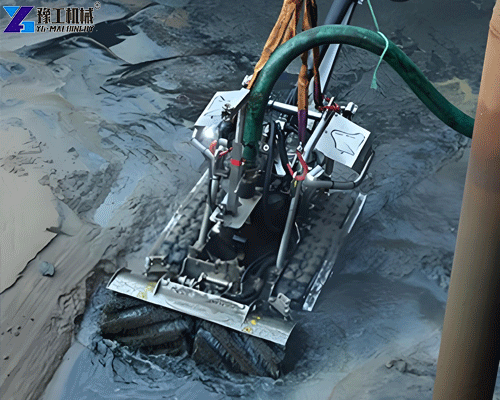
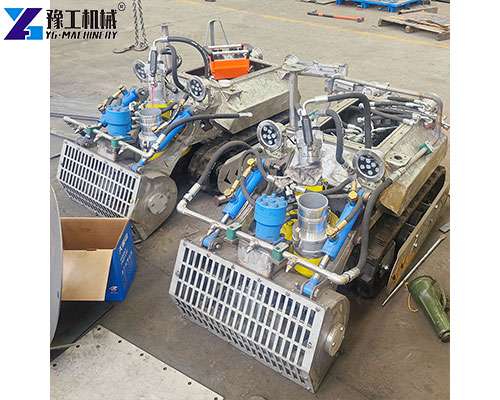
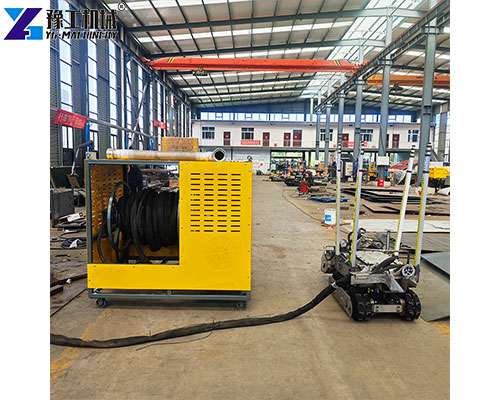
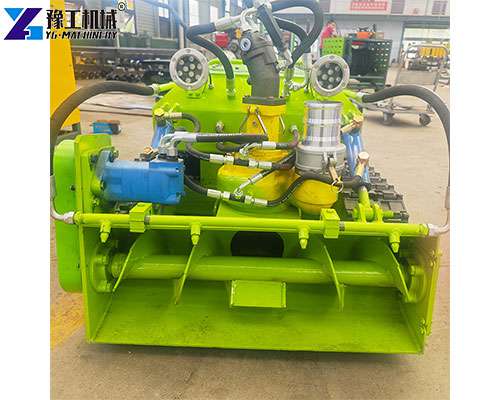
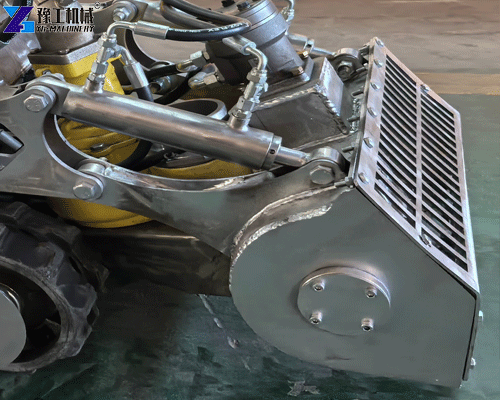
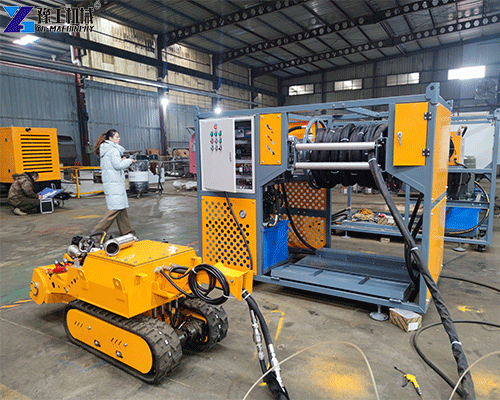
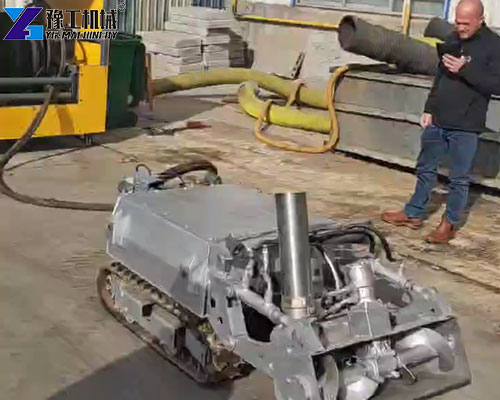
A sedimentation tank dredging robot is a compact, crawler-type or wheeled machine equipped with a high-power slurry pump and remote control system. It moves along the bottom of sedimentation tanks and pumps sludge through discharge pipelines to an external collection area.
It is also commonly called:
- wastewater tank cleaning robot
- robotic sediment removal system
- remote control dredging robot
- industrial sludge dredging robot
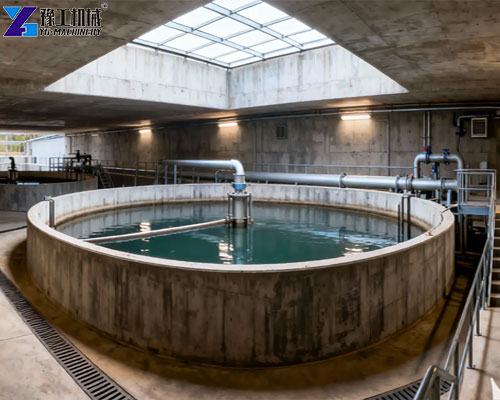
These machines are designed specifically for primary sedimentation tanks, secondary clarifiers, and industrial settling basins.
Why Sedimentation Tanks Require Regular Sludge Removal?
Sedimentation tanks separate solids from wastewater through gravity. Over time, sludge accumulates at the bottom, causing serious operational problems.
Common issues include:
- Reduced tank capacity
- Lower treatment efficiency
- Increased risk of pump blockage
- Odor and harmful gas buildup
- Higher maintenance costs
Traditional cleaning requires draining the tank and sending workers inside, which is dangerous, slow, and expensive. A robotic dredging solution eliminates these risks.
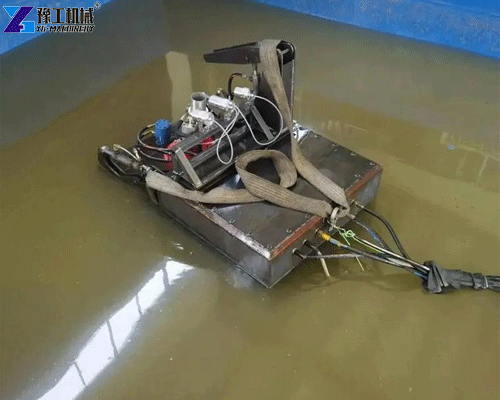
Unique Features of YG Sedimentation Tank Dredging Robot
YG Machinery designs advanced wastewater sediment dredging robots specifically for confined industrial environments.
1. High-Efficiency Slurry Pump System
The robot uses a powerful wear-resistant slurry pump capable of handling:
- Thick sludge
- Sand and sediment
- Industrial waste particles
This ensures continuous and efficient sludge removal.
2. Remote Control Operation for Safety
Operators control the remote control dredging robot from outside the tank using a wireless or cable controller.
Benefits include:
- No confined space entry
- Improved operator safety
- Precise movement control
This is especially important in wastewater environments containing toxic gases.
3. Compact Design for Confined Tanks
Sedimentation tanks often have narrow access points. The compact robot design allows easy deployment.
Suitable for:
- Circular clarifiers
- Rectangular sedimentation tanks
- Underground wastewater tanks
4. Durable Crawler Chassis for Mud and Sludge
Crawler tracks provide strong traction even in thick sludge.
Advantages:
- Stable movement
- Anti-slip performance
- Long service life
This makes the industrial dredging robot reliable for continuous operation.
5. Continuous Operation Without Draining the Tank
One of the biggest advantages is that cleaning can be done while the tank remains operational.
This reduces:
- Plant downtime
- Water treatment interruption
- Operational losses
sedimentation tank dredging robot Parameters
Typical specifications of YG sedimentation tank dredging robots:
| Parameter | YG500 | YG600 | YG700 | YG800 | YG900 | YG1200 |
| Robot Dimensions (mm) | 1500*500*650 | 1500*600*650 | 1600*700*650 | 1600*850*700 | 1650*960*750 | 1900*1200*750 |
| Dredging Width (mm) | 500 | 600 | 700 | 800 | 900 | Suitable for large culverts |
| Travel Speed (m/s) | 3–15 | 3–15 | 3–15 | 3–15 | 3–15 | 0–17 m/min |
| Pump Diameter (inch) | 3 | 3 | 4 | 4 | 4 | 4or6 |
| Pump Flow (m³/h) | 100 | 100 | 160 | 160 | 200 | 250 |
| Pump Head (m) | 0–30 | 0–30 | 0–25 | 0–25 | 0–25 | 0–30 (Horizontal: 100–150m) |
| Hydraulic Station Dimensions (mm) | 2200*1200*1700 | 2200*1200*1700 | 2200*1200*1700 | 2200*1200*1700 | 2200*1200*1700 | 2120*1240*1200 |
| Main Motor Power (kW) | 18 | 18 | 22 | 22 | 22 | 45KW (50KW) or Diesel 76KW (123KW) |
| Hydraulic System Pressure (Mpa) | 0–16 | 0–16 | 0–16 | 0–16 | 0–16 | Not specified |
| Particle Size (mm) | 15 | 15 | 40 | 40 | 50 | 0–40 (customizable) |
| Winch Speed (r/min) | 0–10 | 0–10 | 0–10 | 0–10 | 0–10 | 0–10 |
| Pipe Length (m) | 30–50 Optional | 30–50 Optional | 30–50 Optional | 30–50 Optional | 30–50 Optional | 30m/pack, 20kg pressure resistant, optional |
| Control System | Wireless Remote | Wireless Remote | Wireless Remote | Wireless Remote | Wireless Remote | Wireless Remote |
| Lighting System | Underwater LED*2 | Underwater LED*2 | Underwater LED*2 | Underwater LED*2 | Underwater LED*2 | Underwater LED*2 |
Customization is available based on project requirements.
Common Applications of Sedimentation Tank Dredging Robots
Municipal Wastewater Treatment Plants
Municipal plants use sedimentation tanks continuously. Sludge accumulation reduces treatment efficiency.
A wastewater tank cleaning robot ensures regular cleaning without interrupting operations.
Industrial Wastewater Treatment Facilities
Industries such as:
- Food processing
- Chemical manufacturing
- Textile factories
- Mining operations
generate heavy sludge that requires robotic removal.
Drinking Water Treatment Plants
Sedimentation tanks remove sand and particles before filtration.
A robotic sediment removal system keeps tanks clean and efficient.
Power Plants and Cooling Water Systems
Cooling water systems accumulate sediment over time.
Robotic cleaning prevents system damage and efficiency loss.
South Africa Case Study: Wastewater Plant Sludge Removal
A municipal wastewater treatment facility in South Africa faced severe sludge accumulation in its sedimentation tanks. Traditional manual cleaning required draining the tanks and shutting down operations for several days.
Customer Challenges
- Thick sludge accumulation over 1 meter deep
- High labor costs
- Dangerous confined space cleaning
- Frequent plant shutdowns
YG Robotic Solution
The facility deployed a YG sedimentation tank dredging robot equipped with a high-capacity slurry pump and remote control system.
Key implementation steps:
- Robot lowered into tank via crane
- Remote operation from safe location
- Continuous sludge pumping to discharge area
Results
- Cleaning efficiency increased by 300%
- Labor requirements reduced from 6 workers to 1 operator
- No tank shutdown required
- Project completed in 40% less time
The plant now uses robotic dredging for routine maintenance.
How to Choose the Right Sedimentation Tank Dredging Robot?
Selecting the correct robot ensures maximum efficiency and long service life.
Consider Tank Size and Depth
Larger and deeper tanks require higher pump capacity and longer cable systems.
Evaluate Sludge Density
Heavy sludge requires more powerful pumps and reinforced components.
Check Mobility Requirements
Crawler robots are best for soft sludge and uneven surfaces.
Choose the Right Control System
Wireless remote control provides greater flexibility and safety.
Select a Reliable Manufacturer
Choose a supplier offering:
- Custom design options
- Technical support
- Spare parts availability
- Proven industry experience
Why Choose YG Machinery’s dredging robot?
YG Machinery is a professional manufacturer of sedimentation tank dredging robots and robotic sludge removal systems, serving customers in over 20 countries.
Key advantages include:
- Factory-direct pricing
- Custom solutions for wastewater plants
- Durable industrial-grade components
- Fast delivery
- Complete technical support
YG robots are trusted in municipal, industrial, and environmental projects worldwide.
FAQ about Sedimentation Tank Dredging Robot
Can the robot work without draining the tank?
Yes. The robot is designed to operate underwater, allowing cleaning without shutting down the treatment system.
How many operators are required?
Only one trained operator is needed to control the remote control dredging robot.
What types of sludge can it handle?
The robot can remove:
- Municipal sludge
- Industrial sludge
- Sand and sediment
- Organic waste
Is customization available?
Yes. Pump capacity, robot size, and control systems can be customized.
What is the service life?
With proper maintenance, the robot typically lasts 8–12 years.
Sedimentation Tank Dredging Robot in YG Machinery
A sedimentation tank dredging robot for wastewater treatment plants is the safest and most efficient solution for removing sludge and maintaining treatment efficiency. It eliminates dangerous manual cleaning, reduces downtime, and lowers operational costs.
YG Machinery provides reliable, customizable robotic sludge dredging solutions designed for wastewater plants worldwide. Whether for municipal or industrial applications, YG robots deliver long-term performance and cost savings.