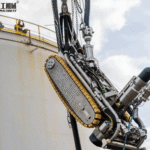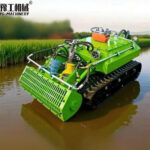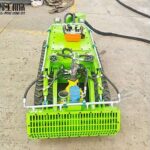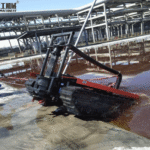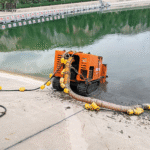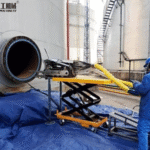
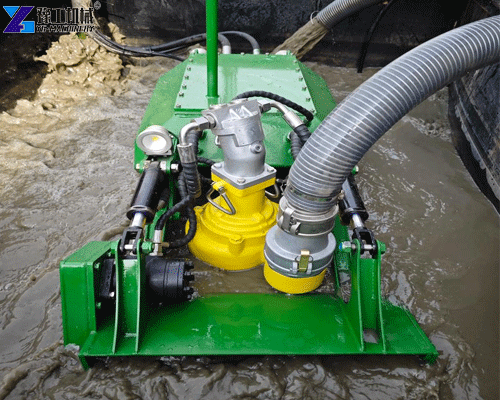
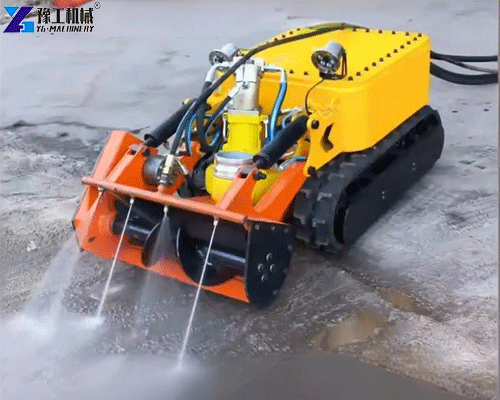
The intelligent dredging robot delivered to Australia reduced river sludge accumulation by 42% within three months and improved operational safety in municipal water management projects.
In May 2025, a municipal contractor in Queensland reported persistent sediment buildup in urban waterways. Manual dredging was costly and exposed workers to unstable riverbeds. After deploying an intelligent dredging robot, the contractor achieved continuous, remote-operated sediment removal with measurable efficiency gains. The system was later evaluated as a long-term replacement for conventional equipment.
Project Background: Why Australia Needed an Intelligent Dredging Robot?
Australia faces recurring sedimentation in rivers and artificial lakes due to seasonal rainfall and upstream erosion.
The client managed:
- An urban river section (2.3 km)
- Two artificial lakes within a public park
- A stormwater retention basin
Identified Problems
- Sediment thickness reached 0.8–1.2 meters
- Traditional excavators required partial water drainage
- Manual dredging exposed workers to unstable ground
- Fuel-driven equipment increased emissions and costs
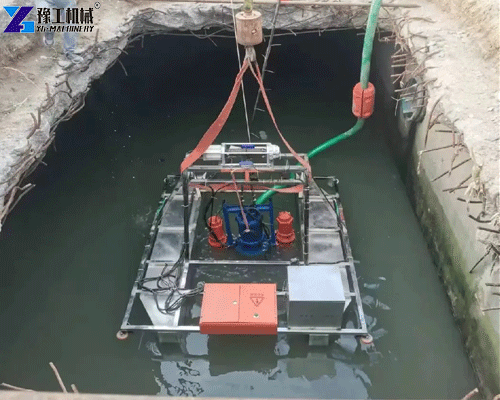
The contractor sought a robotic dredge that could operate underwater without draining the site.
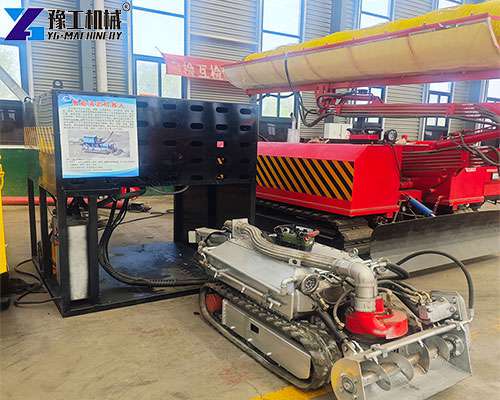
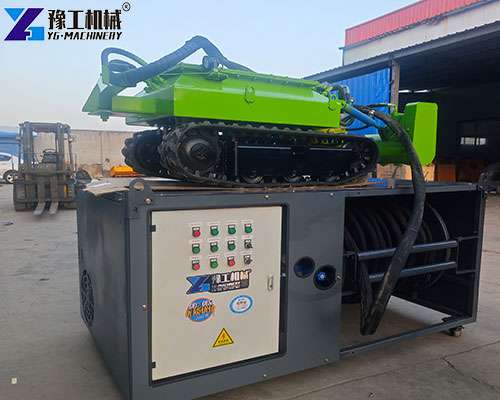
Equipment Overview: Intelligent Dredging Robot Specifications
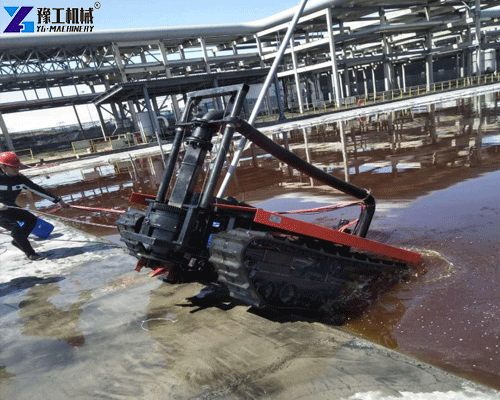
The selected model was an electric-driven crawler-type unit designed for shallow water and sedimented environments.
Key Parameters:
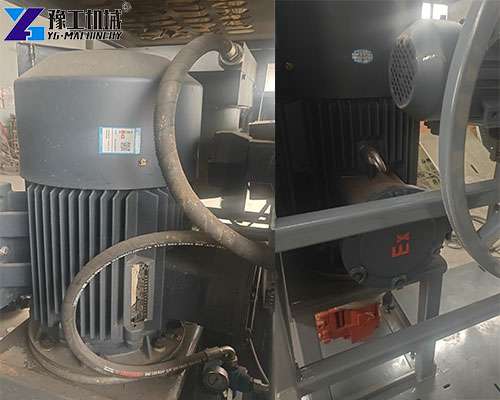
- Power: 18.5 kW electric motor
- Working depth: up to 8 meters
- Pump capacity: 150 m³/h
- Max solid particle size: 35 mm
- Travel speed: 12 m/min
- Control distance: 500 meters (wireless remote)
The machine integrates real-time depth sensors and a visual monitoring interface.
How the Intelligent Dredging Robot Solved the Problem?
1. Remote Operation for Safety
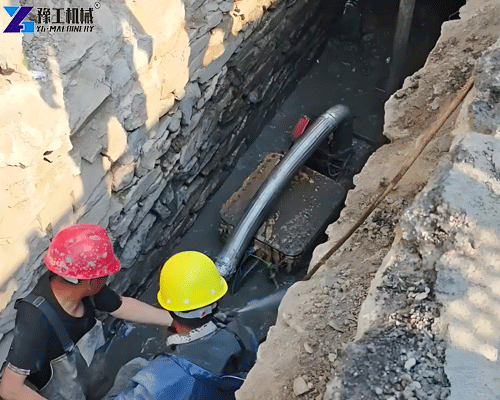
The system functioned as a remote control dredging robot, allowing operators to remain onshore.
No personnel entered unstable sludge zones.
Work-related risk was reduced to near zero incidents during the first 90 days.
2. Efficient River and Lake Restoration
In river sections with compact sediment layers, removal efficiency averaged 120 m³ per hour.
For park maintenance, it operated as a river cleaning robot, restoring water depth from 1.4 m to 2.1 m.
In artificial lakes, it performed similar tasks to a lake cleaning machine, improving water circulation and reducing algae formation by 30% according to local monitoring data.
3. Intelligent Control and Monitoring
The intelligent dredging robot included:
- HD underwater camera
- Real-time sludge density feedback
- Touchscreen control panel
- Automated path tracking
Operators adjusted suction speed based on sediment density. Fuel consumption was eliminated due to electric drive design.
Measured Results After 3 Months
Operational Improvements:
- 42% reduction in sediment accumulation
- 35% lower maintenance cost compared to manual dredging
- 28% faster completion time
- 100% compliance with local environmental standards
Water clarity improved visibly. Community complaints about odor decreased significantly.
Why the Client Chose This Intelligent Dredging Robot?
Decision Factors
- Electric system suited Australia’s emission policies
- Compact crawler design fit shallow waterways
- Remote operation met strict safety regulations
- Lower lifecycle cost than diesel-based equipment
The contractor evaluated multiple suppliers. Final selection was based on technical adaptability and local support capability.
Application Scope in Australia
The same model is now considered for:
- Stormwater ponds
- Mining settlement basins
- Wastewater lagoons
- Irrigation canals
Its modular pump system allows adjustment for different sludge densities.
FAQ about robotic dredge
What Is the Typical Price Range?
Cost depends on configuration and pump capacity.
Customization affects final pricing.
How Long Is Delivery Time to Australia?
Production cycle: 20–30 working days.
Sea freight to Brisbane or Sydney: 18–25 days.
Can It Operate in Saline or Coastal Areas?
Yes. Corrosion-resistant coatings and stainless components are available.
What Maintenance Is Required?
Routine checks include:
- Pump inspection every 500 hours
- Electrical system testing quarterly
- Seal replacement annually
Most maintenance can be done onsite.
Is After-Sales Support Available?
Technical guidance is provided remotely.
Spare parts are stocked for rapid dispatch.
Online troubleshooting support is available within 24 hours.
remote control dredging robot for sale
The intelligent dredging robot deployed in Australia demonstrated measurable efficiency gains, improved safety, and reduced environmental impact in river and lake restoration projects.
It provided a practical alternative to manual and diesel-powered systems.
For contractors managing sediment-heavy waterways, the intelligent dredging robot offers a technically sound and scalable solution supported by documented field results.