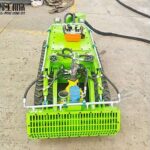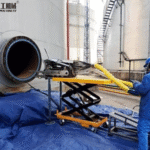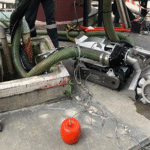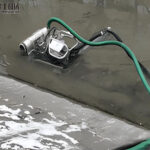
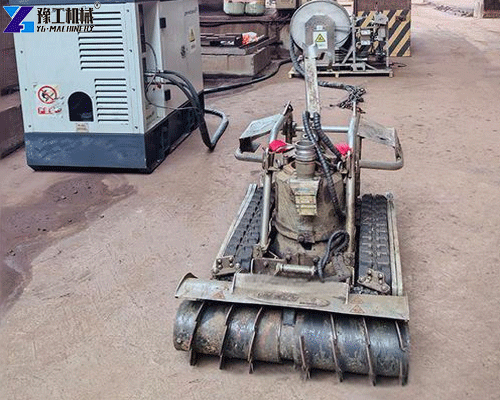
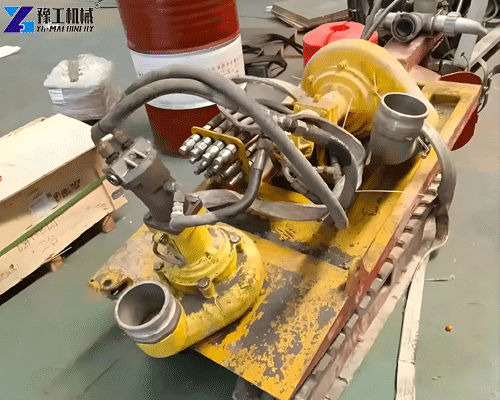
Oil tank cleaning robot is the safest and most efficient solution for sludge removal in crude oil storage tanks.
An oil tank cleaning robot eliminates manual confined-space entry, reduces explosion risks, and significantly lowers downtime during oil tank maintenance. For refineries, depots, and petrochemical plants, robotic cleaning has become the preferred method over traditional manual sludge removal.
YG’s industrial dredging robot is specifically engineered for high-viscosity oil sludge environments, offering remote-controlled, non-entry cleaning that meets modern safety standards.
Why Is Oil Tank Sludge Removal So Challenging?
Oil storage tanks naturally accumulate:
- Heavy crude sludge
- Paraffin deposits
- Sediment and rust particles
- Water-oil emulsions
Over time, sludge reduces effective storage capacity, contaminates fuel quality, and increases corrosion risk.
Traditional cleaning problems:
- High explosion risk
- Toxic gas exposure (H₂S, hydrocarbons)
- Confined space hazards
- Long shutdown periods
- High labor costs
This is where an underwater tank cleaning robotic dredge provides a safer alternative.
How Does an Oil Tank Cleaning Robot Work?
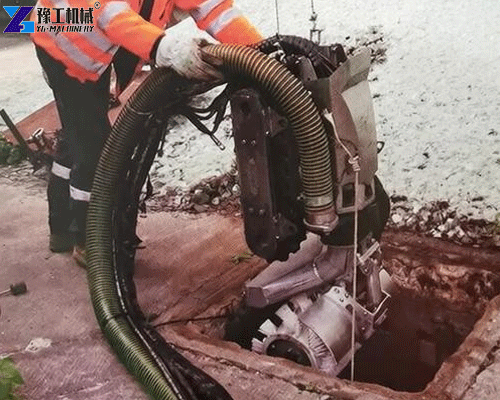
YG robotic dredge systems operate through:
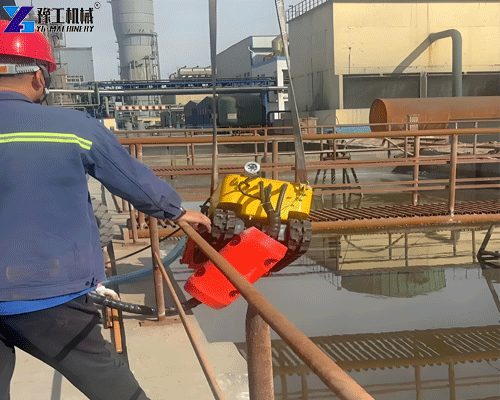
- Remote control operation outside the tank
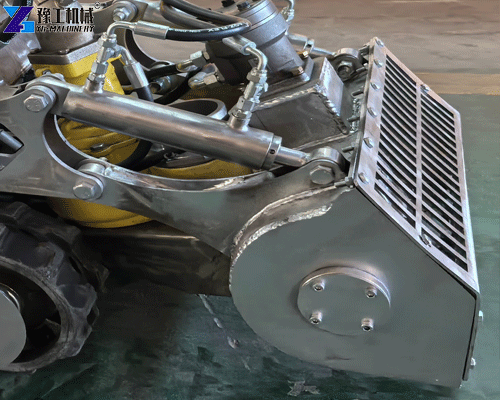
- Crawler or track-based movement inside sludge
- Hydraulic or electric suction pumping
- Sludge transfer through explosion-proof pipelines
- Closed-loop separation and recovery system
Unlike manual cleaning, the robotic dredge can operate in partially filled tanks without requiring full human entry.
Result:
- Continuous sludge extraction
- Reduced exposure risk
- Faster turnaround
Why YG Oil Tank Cleaning Robot Is Ideal for Petroleum Applications?
YG is a professional manufacturer of industrial dredging robot systems with extensive export experience. Our oil tank cleaning models include special features tailored for petroleum environments.
1. Explosion-Proof Design
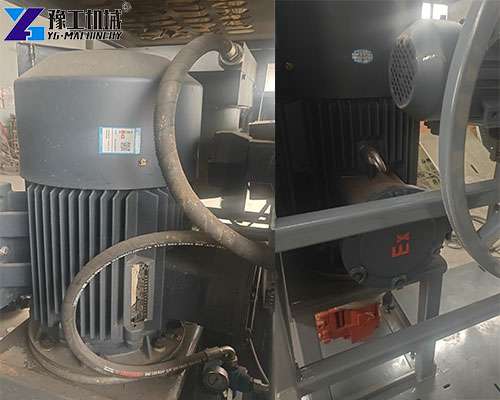
- ATEX optional configuration
- Anti-spark structural components
- Sealed electrical system
Suitable for crude oil, diesel, and fuel storage tanks.
2. High-Viscosity Sludge Handling Capability
Oil sludge can reach high density and strong adhesion.
YG system advantages:
- High-torque crawler drive
- Powerful suction pump (customizable capacity)
- Adjustable cutter head (optional)
- Anti-clogging pipeline design
The underwater tank cleaning robotic dredge remains stable even in thick sludge layers.
3. No Confined Space Entry Required
Safety improvement:
- Operators remain outside the tank
- Remote video monitoring system
- Real-time sludge level feedback
This significantly reduces insurance and compliance risks for refinery operators.
4. Adaptable to Different Tank Sizes
YG oil tank cleaning robot supports:
- Floating roof tanks
- Fixed roof tanks
- Underground storage tanks
- Large crude oil depots
Custom chassis dimensions available based on tank manhole size.
Nigeria Case Study: Oil Tank Sludge Removal Project
Project Location: Lagos, Nigeria
Application: Crude Oil Storage Tank Cleaning
Tank Diameter: 30 meters
Customer Problem
A Nigerian petroleum storage company faced:
- 40–60 cm thick sludge layer
- Frequent tank downtime
- High safety compliance pressure
- Expensive manual cleaning contractors
Solution Provided
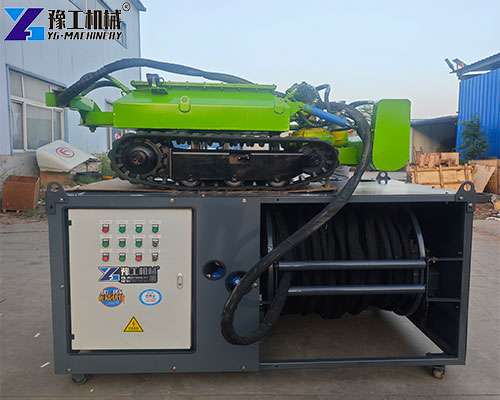
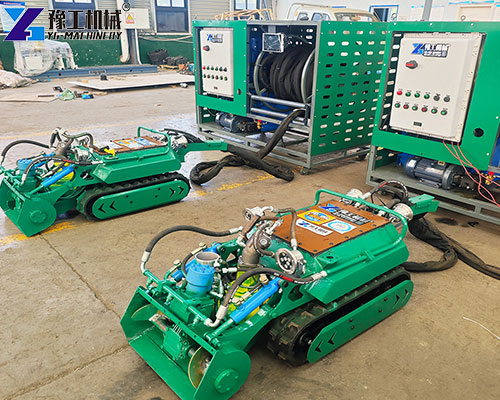
YG delivered a customized oil tank cleaning robot with:
- Reinforced crawler system
- High-viscosity pumping module
- 80 m remote control cable
- Explosion-proof configuration
Results
- Cleaning time reduced by 45%
- Zero human entry inside tank
- 30% lower operational cost
- Recoverable oil reclaimed during sludge separation
The client later expanded to two additional tank cleaning projects.
Technical Advantages of YG Industrial Dredging Robot
| Drive Type | Hydraulic / Electric |
| Max Suction Capacity | Customizable |
| Control Distance | 50–200 m |
| Operation Mode | Remote Control |
| Application Medium | Oil sludge / Industrial sediment |
| Explosion-Proof Option | Available |
Customization available for tank depth, sludge viscosity, and project requirements.
FAQ about oil tank cleaning robot
1. Is the oil tank cleaning robot explosion-proof?
Yes. YG provides optional explosion-proof configuration suitable for petroleum storage environments.
2. Can it work in highly viscous crude oil sludge?
Yes. The high-torque crawler and reinforced pumping system are designed for dense sludge conditions.
3. Does the tank need to be fully emptied?
Not necessarily. The robotic dredge can operate in partially filled tanks depending on sludge condition.
4. What is the typical cleaning efficiency?
Efficiency depends on sludge thickness and tank size, but most projects reduce downtime by 30–50% compared to manual cleaning.
5. Can the robot be customized?
Yes. YG provides tailored solutions based on:
- Tank diameter
- Sludge characteristics
- Hazard level
- Export standards
When Should You Choose a Robotic Dredge Instead of Manual Cleaning?
You should consider an industrial dredging robot if:
- Tank diameter exceeds 15 meters
- Sludge thickness > 20 cm
- Strict safety compliance required
- High labor cost region
- Frequent maintenance schedule
Robotic cleaning becomes more cost-effective as tank size increases.
Economic Benefits of Oil Tank Cleaning Robot
✔ Reduced manpower cost
✔ Lower insurance liability
✔ Shorter shutdown period
✔ Oil recovery from sludge
✔ Improved safety compliance
For refineries and oil depots, robotic cleaning is no longer optional — it is becoming industry standard.
underwater tank cleaning robotic dredge for sale
An oil tank cleaning robot provides a safer, faster, and more cost-effective solution for sludge removal in petroleum storage tanks. Compared to traditional manual cleaning, the use of a robotic dredge significantly improves safety while reducing downtime.
YG’s industrial dredging robot and underwater tank cleaning robotic dredge systems are engineered for harsh oil sludge environments and exported to multiple countries including Nigeria.
If you are planning tank maintenance or sludge removal projects, contact YG for a customized robotic solution.