Lake Dredging Robot Sold to Poland: Efficient Waterway Maintenance for Sustainable Lakes
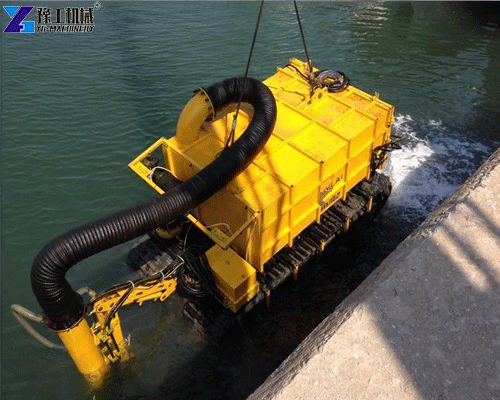
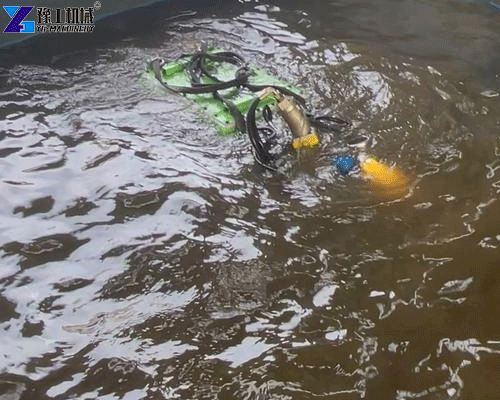
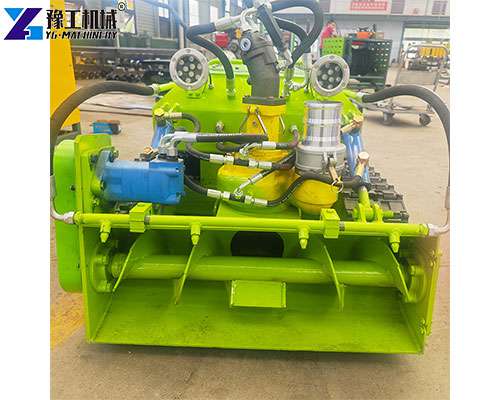
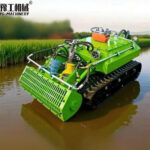
automated robotic dredge for lake sludge removal
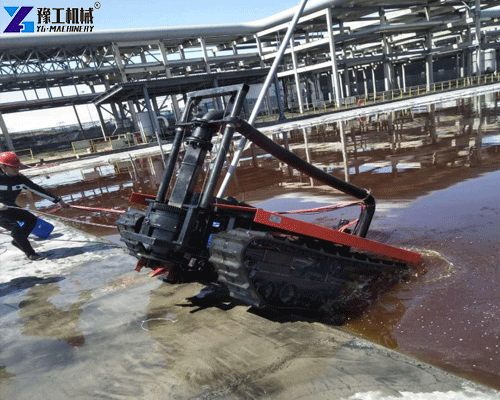
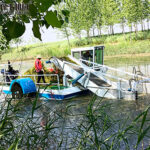
robotic lake cleaner working in river or lake
In March 2025, a municipal water management authority in Poland adopted YG’s lake dredging robot to address severe sediment accumulation in local lakes. The authorities reported that traditional manual dredging was labor-intensive, slow, and often required temporary lake closures. After deploying the robot, they achieved consistent sediment removal without disrupting daily recreational and ecological activities. The machine’s autonomous operation and precise sludge collection significantly reduced human exposure to hazardous conditions, marking a clear improvement over previous methods.
This configuration allows the robotic lake cleaner to operate continuously for up to 8 hours per day, effectively handling dense sludge and debris without frequent maintenance.
Poland’s lakes often face seasonal sediment accumulation, particularly after heavy rainfall or agricultural runoff. These conditions create several operational challenges:
Manual dredging is slow and labor-intensive, with a typical team of 6–8 workers requiring 5–7 days to clear a medium-sized lake.
Inconsistent sludge removal results in uneven lake depth, affecting local ecosystems and recreational use.
Safety concerns arise when personnel enter partially flooded or confined areas.
Equipment downtime and high maintenance costs further complicate traditional operations.
Local authorities were searching for a reliable, autonomous solution that minimizes labor, ensures consistent sediment extraction, and maintains water quality.
YG’s Solution: Lake Dredging Robot for Polish Clients
YG recommended deploying a lake dredging robot equipped with GPS navigation and an autonomous dredging system. Key benefits include:
Autonomous operation: The robot navigates predefined routes, collecting sludge efficiently without manual intervention.
High sediment capacity: Each cycle removes up to 2 m³ of sludge, reducing the number of operational cycles needed.
Eco-friendly design: Minimal disturbance to aquatic life, with no fuel emissions due to electric power.
Real-time monitoring: Remote interface allows operators to track dredging progress, sediment depth, and machine performance.
The Polish client reported that within the first two weeks of operation, the robot removed over 80% of accumulated sediment from a 5-hectare lake, completing the task in less than half the time compared to conventional methods.
In addition to lake cleaning robots, we also offer a wide range of equipment including dredging boat, aquatic weed harvester, and excavator dredge pump, helping customers efficiently remove sediment, aquatic weeds, and sludge in rivers, lakes, reservoirs, and drainage channels.
Jan Kowalski, Lake Maintenance Supervisor in Poland, shared:
“We were skeptical at first, but the YG lake dredging robot proved remarkably effective. It handled dense sludge without manual intervention, reduced operational risk, and allowed us to reopen the lake to the public sooner than expected. The autonomous river cleaning robot features make ongoing maintenance predictable and cost-efficient.”
Another engineer noted the lake cleaning machine price was competitive compared to traditional dredging services, with a significantly lower total cost of ownership when factoring in labor savings and reduced downtime.
Why YG Is a Trusted Partner?
Industry experience: Over 15 years in industrial dredging robots and waterway maintenance solutions.
Customization: Machines are tailored for lake size, sediment type, and operational environment.
Reliable support: Training, spare parts, and after-sales service are provided internationally, including in Poland.
Proven results: Projects in over 20 countries demonstrate consistent performance and ROI.
YG’s lake dredging robot is not a generic tool; it is engineered for precise, safe, and sustainable sediment removal in challenging freshwater environments.
Q1: What factors affect the lake cleaning machine price? A1: Lake size, sediment density, operation hours, and optional features like GPS navigation and remote monitoring.
Q2: Can it operate in rivers as well as lakes? A2: Yes, the autonomous river cleaning robot can handle slow-moving rivers with similar efficiency.
Q3: How long is the delivery to Poland? A3: Standard delivery is 6–8 weeks, including training and initial setup.
Q4: What maintenance is required? A4: Routine inspection of the dredge blade, sediment hopper, and electric system; cleaning after each cycle is recommended.
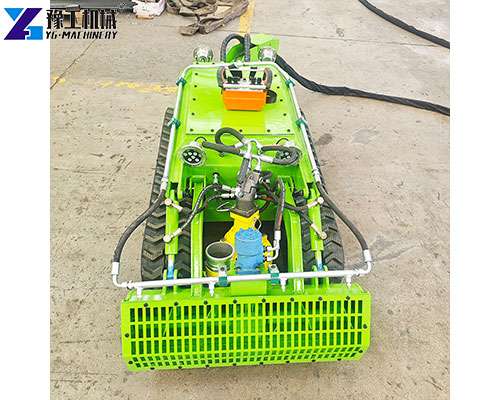
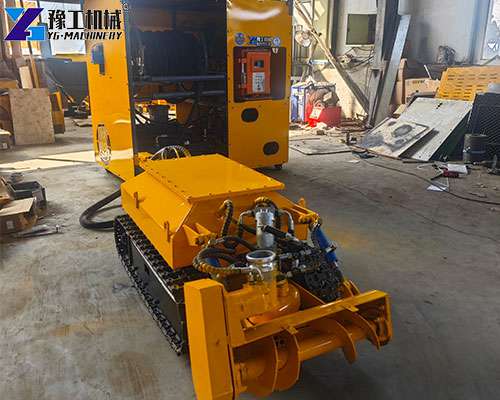
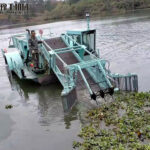
lake water cleaning machine for sale
Polish municipalities facing sediment buildup now have a safe, efficient, and reliable solution with YG’s lake dredging robot. Autonomous operation, eco-friendly design, and robust performance reduce labor costs and operational risk. The machine’s proven track record in international projects underscores YG as a trusted supplier of advanced waterway maintenance equipment.