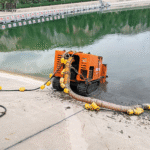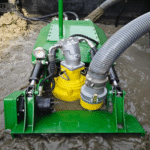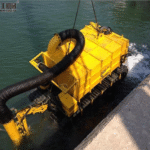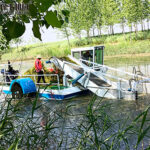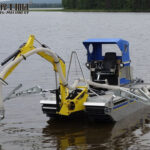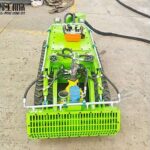
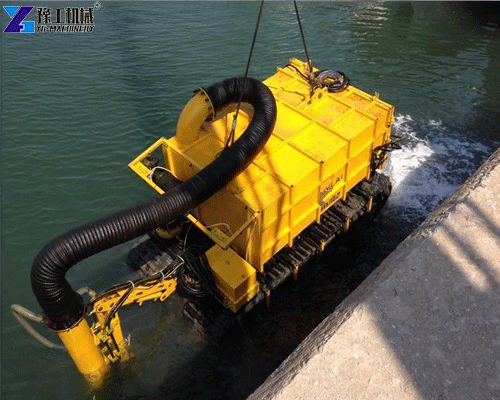
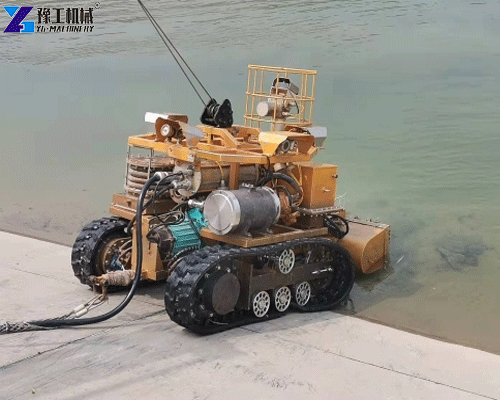
In May 2025, a robotic lake cleaner supplied to an agricultural irrigation cooperative in Canterbury, New Zealand, reduced sediment accumulation by 42% within the first eight weeks of operation. The cooperative previously relied on seasonal manual dredging, which was expensive and inconsistent. After deployment, operators reported stable water flow, improved pump reliability, and reduced maintenance shutdowns. The equipment is defined as a remotely controlled, submersible cleaning system designed to remove sludge, organic debris, and sediment from lakes, reservoirs, and canals without draining water. Its ability to operate continuously and safely made it suitable for rural water infrastructure with limited labor resources.
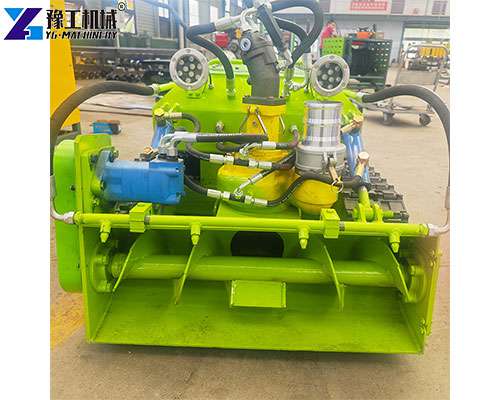
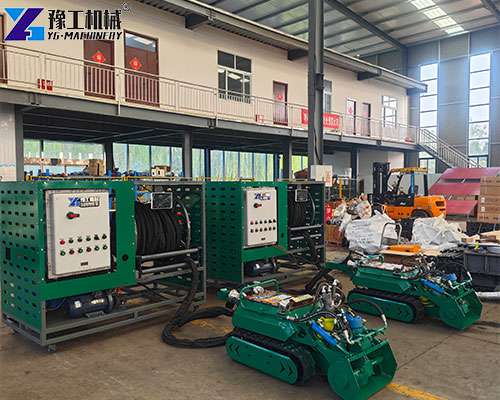
Robotic Lake Cleaner Parameters
| Parameter | YG500 | YG600 | YG700 | YG800 | YG900 | YG1200 |
| Robot Dimensions (mm) | 1500*500*650 | 1500*600*650 | 1600*700*650 | 1600*850*700 | 1650*960*750 | 1900*1200*750 |
| Dredging Width (mm) | 500 | 600 | 700 | 800 | 900 | Suitable for large culverts |
| Travel Speed (m/s) | 3–15 | 3–15 | 3–15 | 3–15 | 3–15 | 0–17 m/min |
| Pump Diameter (inch) | 3 | 3 | 4 | 4 | 4 | 4or6 |
| Pump Flow (m³/h) | 100 | 100 | 160 | 160 | 200 | 250 |
| Pump Head (m) | 0–30 | 0–30 | 0–25 | 0–25 | 0–25 | 0–30 (Horizontal: 100–150m) |
| Hydraulic Station Dimensions (mm) | 2200*1200*1700 | 2200*1200*1700 | 2200*1200*1700 | 2200*1200*1700 | 2200*1200*1700 | 2120*1240*1200 |
| Main Motor Power (kW) | 18 | 18 | 22 | 22 | 22 | 45KW (50KW) or Diesel 76KW (123KW) |
| Hydraulic System Pressure (Mpa) | 0–16 | 0–16 | 0–16 | 0–16 | 0–16 | Not specified |
| Particle Size (mm) | 15 | 15 | 40 | 40 | 50 | 0–40 (customizable) |
| Winch Speed (r/min) | 0–10 | 0–10 | 0–10 | 0–10 | 0–10 | 0–10 |
| Pipe Length (m) | 30–50 Optional | 30–50 Optional | 30–50 Optional | 30–50 Optional | 30–50 Optional | 30m/pack, 20kg pressure resistant, optional |
| Control System | Wireless Remote | Wireless Remote | Wireless Remote | Wireless Remote | Wireless Remote | Wireless Remote |
| Lighting System | Underwater LED*2 | Underwater LED*2 | Underwater LED*2 | Underwater LED*2 | Underwater LED*2 | Underwater LED*2 |
The New Zealand customer choosed YG700 model, this system was configured specifically for medium-sized irrigation reservoirs between 2,000 m² and 15,000 m². These specifications allowed continuous operation for up to 10 hours per day with only one operator.
What Problem Was the New Zealand Customer Facing?
The irrigation cooperative manages a reservoir supplying water to approximately 1,200 hectares of farmland. Over time, sediment accumulation reduced effective storage volume and blocked intake pipelines.
Measured challenges included:
- Sediment thickness reached 0.6–1.1 m in critical intake areas
- Pump clogging occurred every 3–4 weeks
- Annual manual dredging cost exceeded USD 38,000
- Cleaning required partial reservoir drainage, disrupting irrigation
Organic debris from surrounding vegetation accelerated sludge formation. Traditional excavation methods were impractical because draining the reservoir risked crop losses.
Why Manual and Conventional Methods Were Not Effective?
Manual cleaning and excavator-based dredging required draining at least 60% of the reservoir. This caused water supply interruptions during peak irrigation months between November and February.
Operational limitations included:
- Limited access for heavy equipment due to soft shoreline
- Safety risks for workers in confined or submerged environments
- High transport costs for excavation machinery
- Cleaning intervals limited to once per year
The cooperative needed a system capable of continuous maintenance without interrupting water availability.
How the Robotic Lake Cleaner Provided a Targeted Solution?
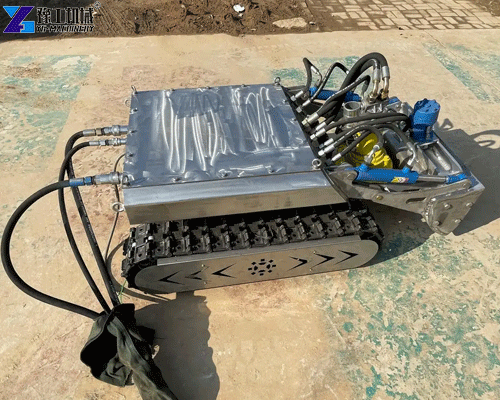
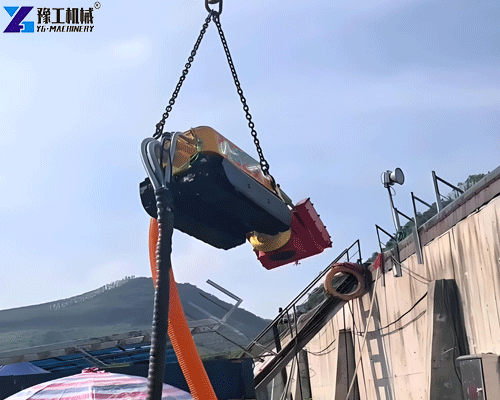
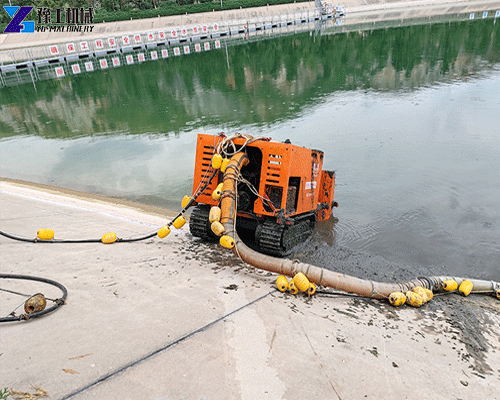
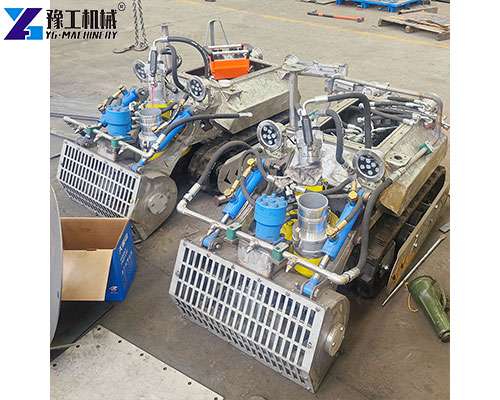
The robotic lake cleaner was deployed directly into the reservoir without draining. The machine traveled along the bottom and suctioned sludge through a reinforced discharge hose to a designated sedimentation zone.
Implementation steps:
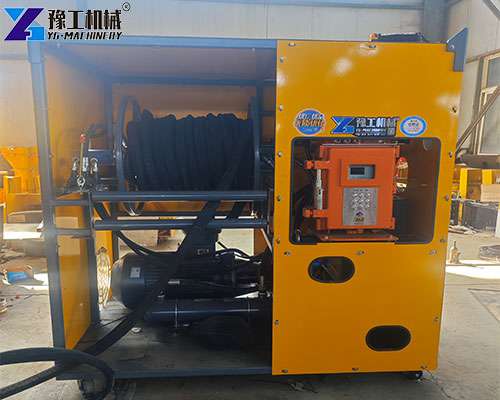
- Installation of shore-based power and control unit
- Placement of floating discharge pipeline (150 mm diameter)
- Initial cleaning of intake area within 12 hours
- Scheduled maintenance cleaning twice per month
The system restored intake efficiency immediately after initial deployment.
What Results Were Achieved After Installation?
Performance data collected over three months showed measurable improvements.
Operational outcomes:
- Sediment thickness reduced from 0.9 m to less than 0.3 m near intake points
- Pump maintenance frequency reduced by 67%
- Reservoir storage capacity increased by approximately 18%
- Annual cleaning cost projected to decrease by 54%
The cooperative also avoided irrigation disruptions, which previously affected crop yield consistency.
Why This Technology Was Preferred Over a Traditional Lake Dredging Robot?
The customer evaluated a conventional lake dredging robot mounted on a floating platform. That option required larger transport equipment and more complex installation.
Key selection reasons included:
- Smaller footprint allowed easier transport between reservoirs
- Lower total energy consumption
- Faster deployment time (less than 4 hours)
- Ability to operate in confined intake zones
This flexibility was critical for rural water infrastructure.
Can the Same Equipment Be Used for Rivers and Canals?
Yes. The same platform is structurally compatible with river maintenance projects. A regional contractor in Otago later evaluated the system as a river cleaning robot for sediment control in irrigation channels with widths of 5–12 m.
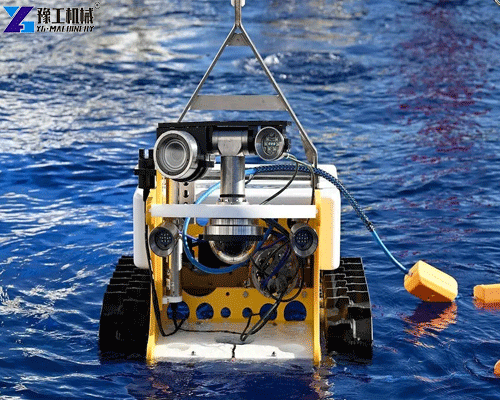
Its crawler traction system maintained stability in moderate water currents, and operators could control movement precisely from the shoreline.
How It Compares to Conventional Lake Water Cleaning Machine Systems?
Traditional lake water cleaning machine solutions often rely on floating dredgers. These systems require anchoring and larger crews.
In contrast, the robotic crawler system provided:
- Single-operator control
- Lower transport weight (under 2,000 kg)
- Faster setup and removal
- Reduced shoreline disturbance
These advantages made it suitable for small and medium reservoirs common in agricultural regions.
Customer Feedback from the New Zealand Irrigation Cooperative
The operations manager provided measurable feedback after the first operational season:
- Cleaning tasks were completed without draining the reservoir
- Pump failures decreased significantly
- Maintenance planning became predictable
- Equipment operation required minimal training
The cooperative confirmed plans to deploy the same system at two additional reservoirs in 2026.
What Factors Influenced the Lake Cleaning Machine Price Decision?
Budget evaluation focused on total lifecycle cost rather than purchase price alone.
Key decision factors:
- Estimated service life exceeding 8 years
- Reduction in annual cleaning contractor expenses
- Minimal labor requirements
- Lower fuel consumption compared to diesel dredgers
The cooperative calculated a projected payback period of approximately 18–24 months.
Operating Conditions and Environmental Considerations in New Zealand
The Canterbury region presents specific environmental challenges:
- Seasonal algae growth
- Fine silt sediment from surrounding farmland
- Cold winter water temperatures
- Remote infrastructure locations
The machine’s sealed hydraulic system and corrosion-resistant materials ensured reliable operation in these conditions.
Delivery, Installation, and Commissioning Timeline
Project timeline details:
- Manufacturing period: 4 weeks
- Sea freight to New Zealand: 28 days
- On-site commissioning: 2 days
- Operator training: 4 hours
The system entered full operation less than two months after order confirmation.
FAQ about robotic lake cleaner
How much area can one unit maintain?
One unit can maintain reservoirs up to 20,000 m², depending on sediment accumulation rate.
Is drainage required before operation?
No. It operates fully submerged and removes sediment while the reservoir remains in use.
What maintenance is required?
Routine inspection every 250 operating hours and hydraulic oil replacement every 1,000 hours.
Is it suitable for irrigation reservoirs and drinking water sources?
Yes, provided discharge sediment is directed to an approved containment area.
How does it compare with hiring external dredging services?
Annual operating costs are typically 40–60% lower over a five-year period.
Robotic Lake Cleaner in Agricultural Water Management
The robotic lake cleaner deployed in New Zealand restored reservoir efficiency, reduced maintenance costs, and eliminated the need for disruptive draining procedures. The measurable reduction in sediment, improved pumping reliability, and rapid deployment demonstrated its suitability for irrigation reservoirs and similar water infrastructure. As sediment management becomes increasingly important for water security, automated underwater cleaning systems provide a practical and scalable solution.