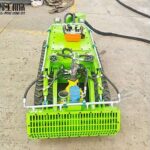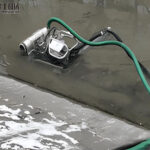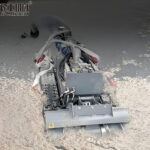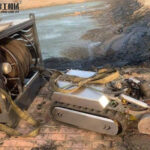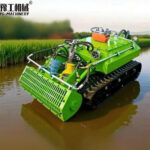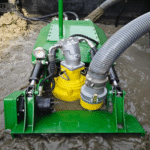
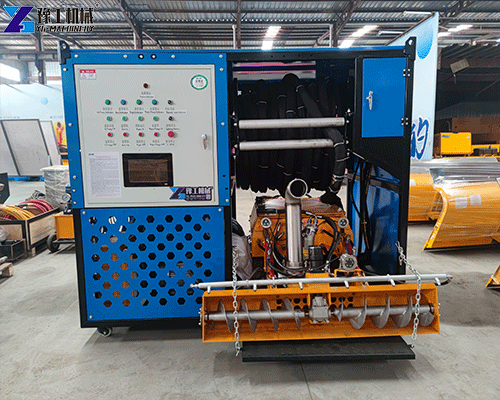
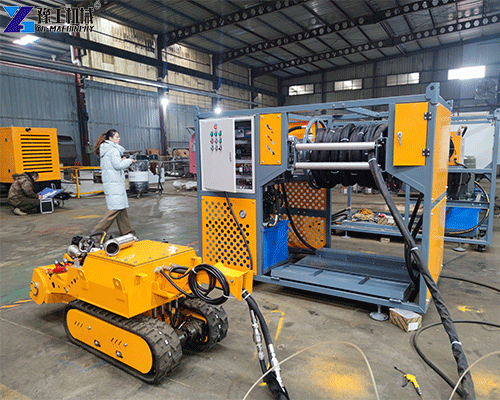
The dredging cleaning robot price typically ranges from $8,000 to $60,000+, depending on dredging capacity, control system, pump power, and customization level. For industries such as river dredging, oil tank cleaning, and wastewater treatment, investing in a robotic dredging system can reduce labor costs by over 50% and significantly improve sludge removal efficiency. This guide explains what affects the price, how to select the right robot, and why manufacturers like YG Machinery are trusted worldwide. Contact us to know more details now!【WhatsApp/WeChat/Phone】+86 13837115193.
What Is a Dredging Cleaning Robot?
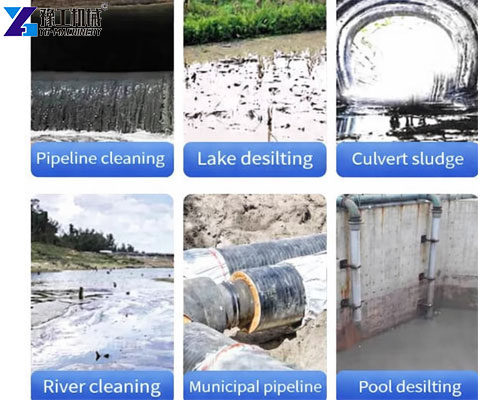
A dredging cleaning robot is a remote-controlled or automated sludge removal machine designed to remove sediment, sludge, sand, and industrial waste from:
- Rivers and canals
- Lakes and reservoirs
- Industrial tanks and oil storage tanks
- Sewage treatment plants
- Mining sedimentation ponds
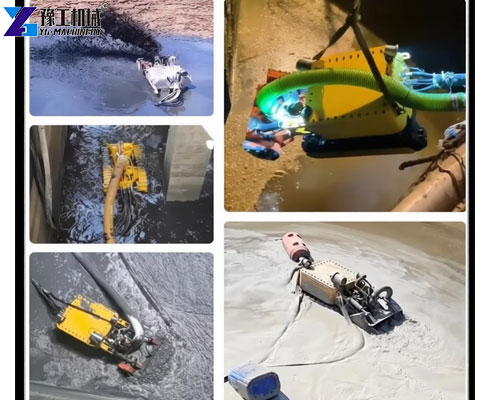
Compared with traditional dredgers, a remote control dredging robot can operate in confined, hazardous, or shallow environments safely and efficiently.
Average Dredging Cleaning Robot Price Range
Below is a general price reference based on configuration and application:
| Small electric dredging robot | $8,000 – $15,000 | Sewage tanks, small ponds |
| Medium remote controlled dredger | $15,000 – $35,000 | Rivers, lagoons, industrial basins |
| Heavy-duty robotic dredging equipment | $35,000 – $60,000+ | Mining ponds, large reservoirs |
| Fully customized industrial dredging robot | $60,000+ | Oil tanks, hazardous sludge |
Actual industrial dredging robot price varies depending on performance and customization.
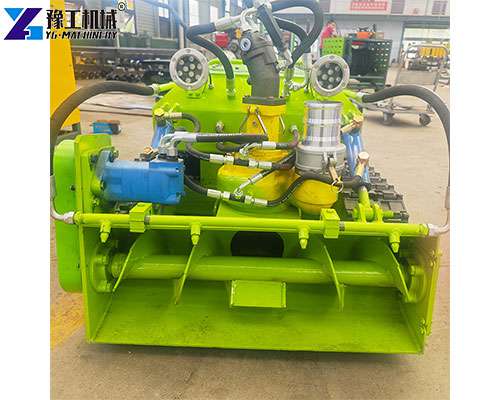
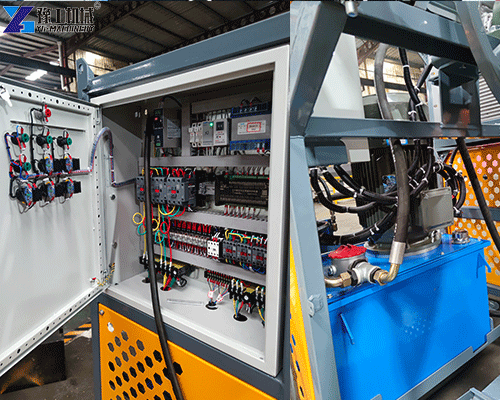
Key Factors That Affect Dredging Cleaning Robot Price
Understanding these factors helps buyers choose the right equipment and avoid overpaying.
1. Pump Power and Dredging Capacity
The dredging pump determines how much sludge the robot can remove per hour.
Typical specifications:
- 3–5 kW pump: small tanks and narrow canals
- 7–11 kW pump: rivers and medium projects
- 15 kW+: heavy industrial sludge removal
Higher pump power increases efficiency but also raises the robotic dredging machine price.
2. Dredging Depth and Working Range
Some robots work in shallow water (1–3 m), while others operate at depths of 10 m or more.
Key components affecting price:
- High-pressure suction system
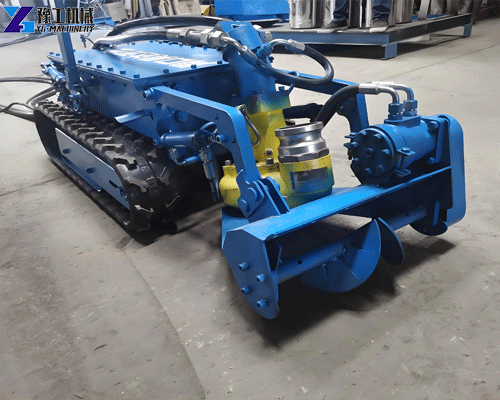
- Reinforced crawler chassis
- Extended discharge pipelines
Greater depth capability increases manufacturing complexity and cost.
3. Control System: Manual vs Remote vs Fully Automatic
Control type significantly affects the remote controlled dredging robot price.
Common options:
- Manual cable control – lowest cost
- Wireless remote control – standard industrial option
- Fully automated with cameras and sensors – premium option
Advanced systems improve safety and precision.
4. Mobility and Chassis Design
Different terrains require different chassis structures:
- Crawler type – best for mud and uneven surfaces
- Wheeled type – smooth industrial floors
- Amphibious robots – land and water use
Crawler-type underwater dredging robots are usually more expensive due to durability requirements.
5. Explosion-Proof or Hazard-Proof Design
For oil tanks, chemical tanks, or hazardous environments, explosion-proof motors and sealed electronics are required.
These features can increase price by 20%–40%, but they ensure safety and compliance.
6. Customization and Accessories
Optional features affecting cost:
- HD cameras for monitoring
- Long-distance discharge pipelines
- High-capacity slurry pumps
- Automatic depth control
- Hydraulic cutter heads
Customized robotic dredging systems cost more but provide better long-term efficiency.
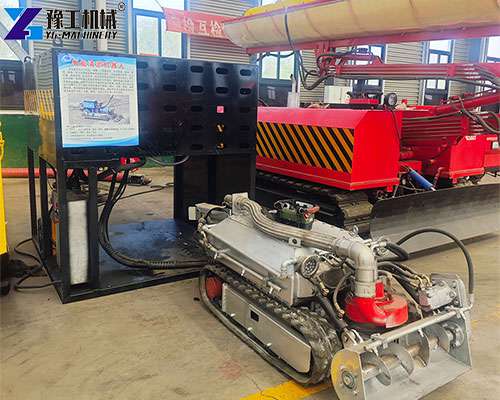
Operating Cost vs Traditional Dredging: Real Savings
Although the initial dredging cleaning robot price may seem high, it reduces operating costs significantly.
Comparison example:
Traditional dredging:
- 4–6 workers required
- High safety risks
- Slow cleaning speed
Robot dredging:
- 1 operator only
- Continuous operation
- Faster sludge removal
Many customers recover the investment within 6–12 months.
How to Choose the Right Dredging Cleaning Robot?
Selecting the right robot depends on your application, sludge type, and project size.
Step 1: Identify Your Application
Examples:
- River sediment → medium remote controlled dredger
- Oil tank sludge → explosion-proof robotic dredging robot
- Wastewater plant → compact electric dredging robot
Step 2: Check Sludge Type and Density
Different sludge requires different suction power.
Types include:
- Sand and sediment
- Industrial sludge
- Oil sludge
- Mud and clay
High-density sludge requires stronger pumps.
Step 3: Consider Working Depth and Area Size
Large lakes require high-capacity robots, while tanks require compact units.
Step 4: Evaluate Mobility and Access Conditions
Confined spaces require compact robots with flexible movement.
Step 5: Choose a Reliable Manufacturer
Reliable suppliers provide:
- Quality components
- Technical support
- Customization
- Spare parts availability
This ensures long service life and lower maintenance costs.
Why Choose YG Machinery Dredging Cleaning Robots?
YG Machinery is a professional manufacturer of remote control dredging robots and robotic sludge removal equipment, serving customers in over 20 countries.
Proven Technical Advantages
- High-efficiency slurry pump systems
- Durable crawler chassis
- Remote control up to 500 meters
- Low maintenance design
- CE-compliant electrical systems
Wide Range of Applications
YG dredging robots are widely used in:
- Rivers and canals
- Industrial wastewater tanks
- Oil storage tanks
- Mining sediment ponds
- Municipal sewage treatment plants
Custom Solutions for Different Projects
YG Machinery provides:
- Explosion-proof models
- Compact tank cleaning robots
- Heavy-duty industrial dredging robots
- Custom pump configurations
Each solution is tailored to customer requirements.
Global Customer Success
Customers report:
- 60% labor cost reduction
- Faster cleaning speed
- Improved safety
- Reliable long-term operation
YG provides full technical guidance and after-sales support.
FAQs About Dredging Cleaning Robot Price
How much does a dredging cleaning robot cost?
Most robots cost between $8,000 and $60,000, depending on capacity and configuration.
Is a robotic dredging machine worth the investment?
Yes. It reduces labor, improves safety, and increases cleaning efficiency.
What is the lifespan of a dredging robot?
With proper maintenance, most industrial dredging robots last 8–12 years.
Can the robot be customized?
Yes. Pump power, control system, and chassis can be customized.
Conclusion: How to Get the Best Value about Dredging Cleaning Robot?
The dredging cleaning robot price depends mainly on pump capacity, automation level, dredging depth, and customization. Choosing the right configuration ensures maximum efficiency and faster return on investment.
YG Machinery offers reliable, factory-direct dredging cleaning robots with competitive pricing and global support. Whether you need a compact tank cleaning robot or a heavy-duty river dredging system, YG can provide a cost-effective solution.