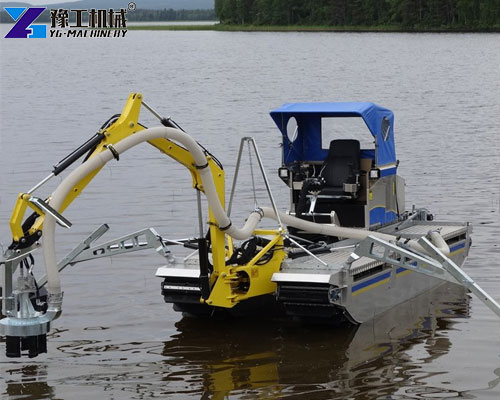
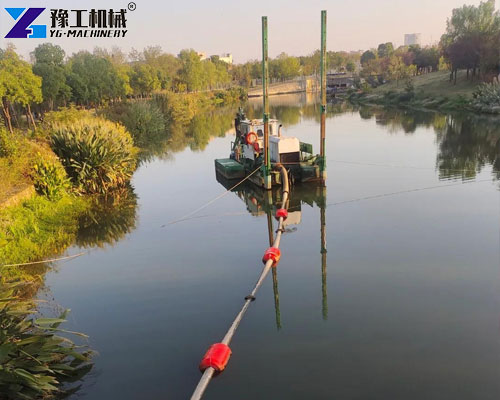
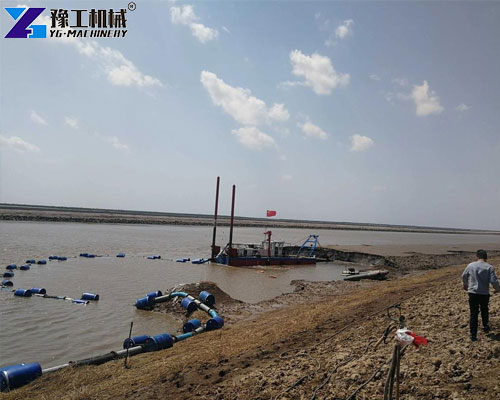
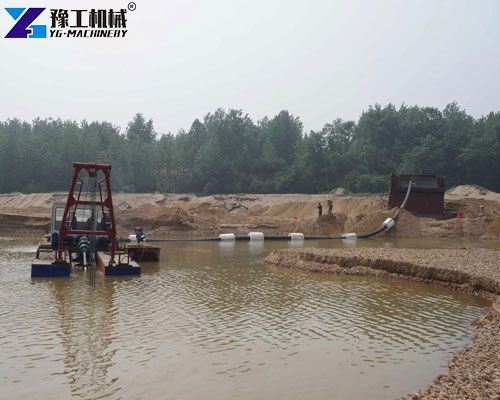
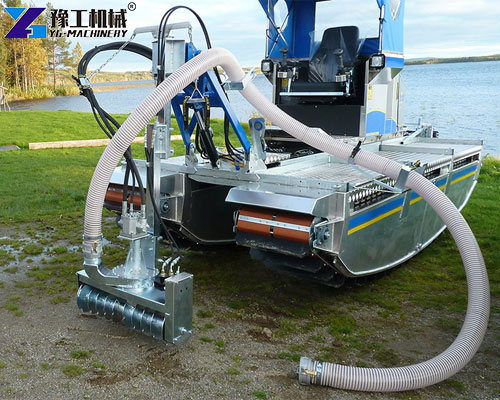
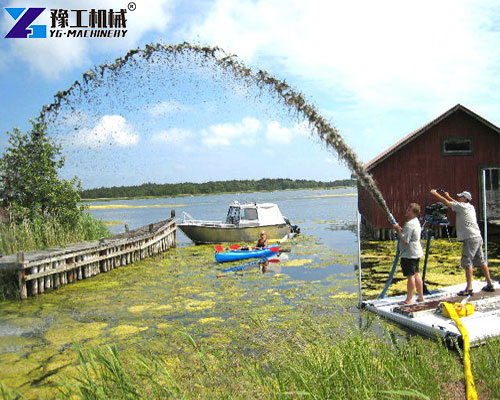
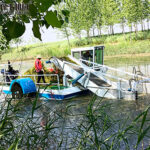
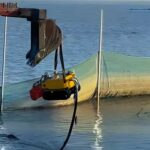
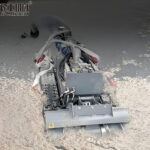
A pond dredging machine is an automated or remotely operated machine designed to remove sediment, sludge, debris, and aquatic plants from rivers, canals, and ponds. This equipment improves water flow, reduces pollution, and supports long-term waterway maintenance. Modern systems are widely used in municipal river restoration and environmental protection projects.
pond dredging machine Parameters
| Dimension: | 1220*890*520mm | Speed: | 2.5-4KM/h |
| Self Weight: | 120kg | Designed Load: | 100-300kg |
| Waterproof: | IP68 | Rated Torque: | 100-500 NM |
| Track Width: | 130mm | Reducer Efficiency: | 65-85% |
| Gear Ratio: | 1:10-1:40 | Motor Voltage: | 380ACV (customized as local voltage) |
| Motor: | 0.75-1.5KW*2 | Climbing Ability: | ≤30°(can climb stairs) |
| Motor Rated Speed: | 1500r/min | Maximum Span: | 620mm |
| Cable Control Distance: | Standard 50m, maximum 150m | Over-Obstacle Capacity: | 130mm |
| Maximum Underwater Depth: | 30m | Power Supply: | Generator or 380V power supply |
What Is a pond dredging machine?
A pond dredging machine is a robotic dredging device that operates on the water surface or riverbed to collect and remove unwanted materials. It is commonly used where manual cleaning is inefficient or unsafe.
Typical materials removed include:
- Sediment and silt accumulated on the riverbed
- Floating waste and debris
- Organic sludge and polluted mud
- Aquatic plants such as water hyacinth
In smaller water bodies, a similar device may be referred to as a pond cleaner machine, designed specifically for ponds, irrigation reservoirs, and landscape lakes.


Advantages of pond dredging machine
Automated cleaning equipment provides several practical advantages compared with manual dredging or traditional machinery.
Improved cleaning efficiency
- Continuous operation in water environments
- Higher sediment removal capacity
Reduced labor demand
- Operated by one or two technicians
- Less manual handling of sludge and debris
Access to narrow waterways
- Suitable for canals, urban rivers, and ponds
- Can operate in shallow or restricted areas
Environmental protection
- Removes nutrient-rich sludge that causes algae growth
- Helps restore natural water circulation
These features make the pond dredging machine suitable for long-term river management programs.
Typical Applications of pond dredging machine
A pond dredging machine is commonly used in projects that require regular removal of sediment or aquatic waste.
Common applications include:
- Urban river restoration projects
- Canal and drainage system cleaning
- Landscape lake maintenance in parks
- Pond and aquaculture cleaning using a pond cleaner machine
- Industrial water basin maintenance
Many municipal governments include robotic dredging systems in large water cleaning robot project programs aimed at improving water quality.
Working Principle
The working principle of a river cleaning robot is based on mechanical dredging and automated waste collection.
Typical operating steps include:
- The robot navigates to the target cleaning area.
- A suction pump or cutter head loosens sediment on the riverbed.
- Sludge is pumped through a pipeline to a storage tank or discharge area.
- Floating debris or aquatic plants are collected using conveyors or collection baskets.
- The system moves gradually along the river channel to clean the entire area.
This process allows a single pond dredging machine to remove sediment and waste efficiently in a controlled operation.


What Affects the Price of a pond dredging machine?
The pond cleaning machine price or river cleaning robot price depends on several technical and operational factors.
Cleaning capacity
- Slurry pumping capacity (m³/h)
- Debris collection capacity
Working depth
- Maximum dredging depth
- Pump head and discharge distance
Automation level
- Manual operation
- Remote-controlled system
- Autonomous navigation
Equipment size
- Small pond cleaning machines are cheaper than large river dredging systems.
Optional components
- GPS navigation
- Hydraulic cutting systems
- High-wear-resistant pumps
Because configurations vary widely, prices differ significantly between models.
How to Choose the Right pond dredging machine?
Selecting the correct model requires evaluating the cleaning project conditions.
Important selection factors include:
Water body size
- Small ponds require compact machines
- Large rivers require higher pumping capacity
Sediment thickness
- Thick sludge requires stronger pumps and cutter heads
Water depth
- Choose equipment with sufficient dredging depth
Vegetation density
- Some projects require additional weed-cutting modules
Project frequency
- Occasional cleaning may use smaller equipment
- Long-term projects may require higher-capacity machines
Careful evaluation ensures the selected pond dredging machine matches project requirements.
YG Machinery River Cleaning Equipment
YG Machinery develops robotic dredging equipment used in river, pond, and lake cleaning projects. The company focuses on practical engineering solutions for sediment removal and water maintenance.
Typical capabilities include:
- Manufacturing robotic dredging equipment for waterway maintenance
- Customizing pond cleaner machine systems for different water conditions
- Providing equipment for large water cleaning robot project implementations
- Supplying modular machines that are easy to transport and assemble
These solutions are used in environmental management and water infrastructure maintenance projects.
FAQ about pond cleaning boat
What is the price range of a pond dredging machine?
The price of a river cleaning robot or pond cleaning machine depends on capacity, working depth, and automation level.
What is the difference between a pond dredging machine and a dredging boat?
A river cleaning robot is usually smaller and designed for shallow rivers, canals, or ponds.
A dredging boat is larger and used for heavy sediment removal in large rivers or harbors.
Can a pond dredging machine be used in ponds?
Yes. Many compact models are specifically designed as a pond cleaner machine for ponds, irrigation reservoirs, and aquaculture facilities.
What materials can the robot remove?
Typical removable materials include:
- Silt and sediment
- Organic sludge
- Floating waste
- Aquatic weeds
How often should rivers or ponds be cleaned?
Cleaning frequency depends on sediment accumulation and pollution levels. Many projects schedule cleaning every 1–3 years.
What maintenance does a river cleaning robot require?
Routine maintenance usually includes:
- Checking dredging pumps and pipelines
- Inspecting hydraulic systems
- Cleaning cutter heads and debris collectors
- Lubricating moving components
Regular maintenance ensures stable operation and extends equipment service life.