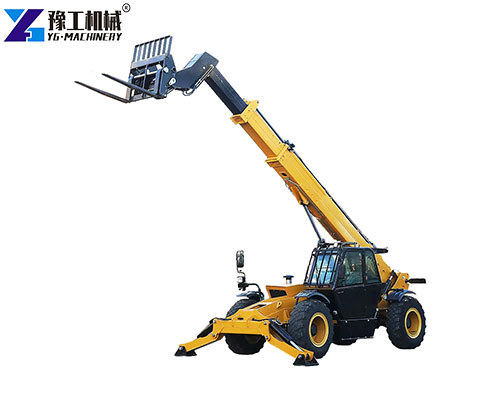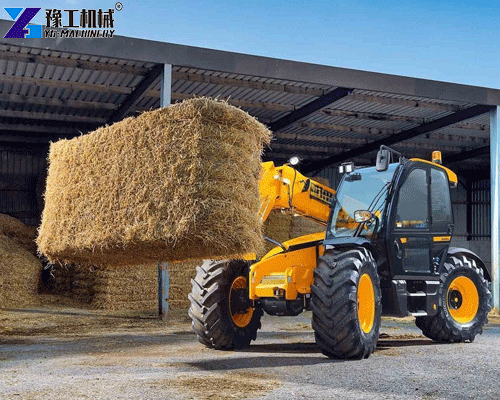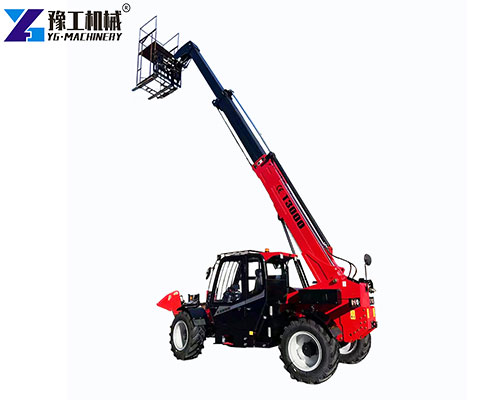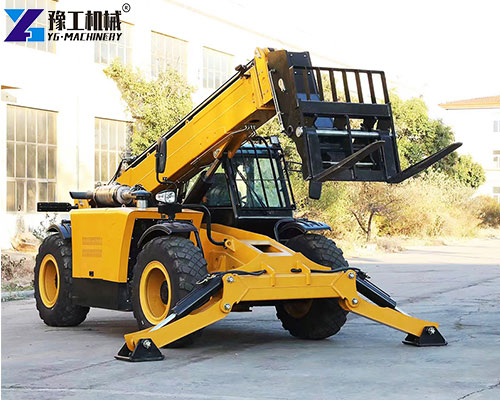
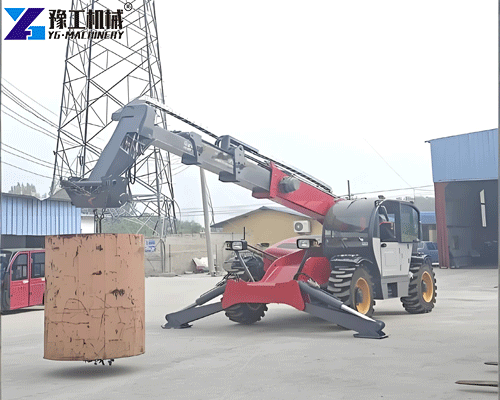
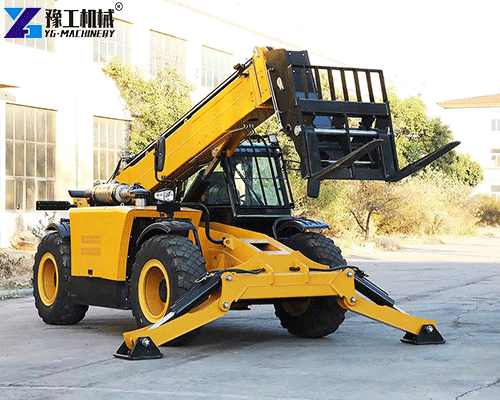
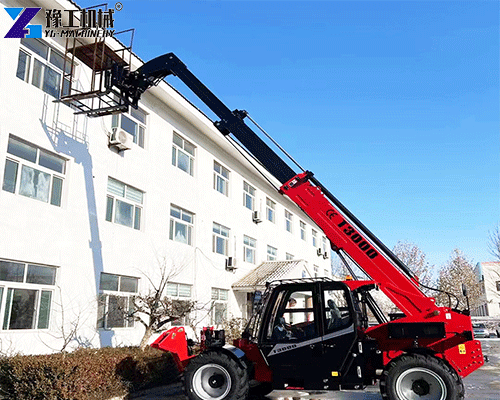
A telescopic loader for sale is designed to handle lifting tasks that standard forklifts cannot reach, combining extended forward reach, height flexibility, and strong load capacity in one machine. It is widely used in agriculture, construction, logistics, and industrial handling where uneven terrain and variable lifting angles are common.
Telescopic Loader Parameters
| Model | YG-TS1035 | YG-TS1440 | YG-TS1850 |
| Rated load | 3500kg | 4000kg | 5000kg |
| Maximum lift height | 10000mm | 13500mm | 17550mm |
| Maximum reach | 5000mm | 8500mm | 13080mm |
| Maximum traction force | ≥70kn | ≥70kn | ≥70kn |
| Minimum ground clearance | 420mm | 420mm | 420mm |
| Overall dimensions | 5700×2230×2400mm | 7000×2350×2550mm | 7500×2430×2550mm |
| Wheelbase | 3670mm | 3670mm | 3670mm |
| Engine Type | CUMMINS/Yuchai | Yuchai Brand | YunneiBrand |
Click Here to Get A Free Quote
What Makes a Telescopic Loader Different from a Forklift?
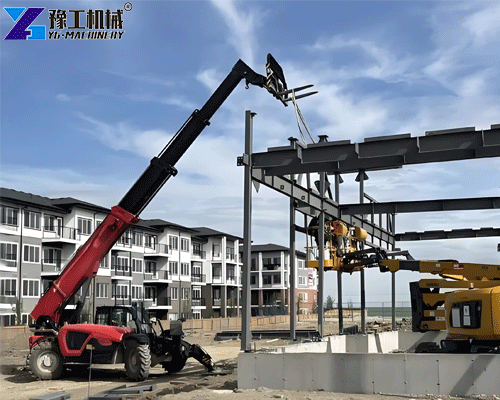
Unlike conventional forklifts that focus on vertical lifting, a telescopic loader uses a boom structure that extends forward and upward. This allows it to place loads over obstacles, stack materials at greater heights, and work efficiently in confined or rough environments.
Key structural differences include:
- Telescopic boom with multiple extension stages
- Larger tires or off-road chassis
- Higher ground clearance
- Multi-attachment compatibility
These features make the machine suitable for applications where reach and adaptability are critical.
Click Here to Get A Free Quote
Core Advantages of a Telescopic Loader for Sale
A telescopic loader for sale offers practical advantages that directly affect productivity and operating costs.
Extended Reach and Height
The boom design allows materials to be placed on rooftops, trailers, or elevated platforms without repositioning the machine frequently. This reduces handling time and improves job-site efficiency.
Strong Adaptability to Terrain
With reinforced axles and wide tires, the machine maintains stability on soft soil, gravel, and slopes. This is especially important in farms and construction sites where ground conditions change daily.
Multi-Function Through Attachments
By changing attachments, one machine can perform multiple roles:
- Pallet forks for material handling
- Buckets for bulk loading
- Bale clamps for agricultural use
- Work platforms for maintenance
This flexibility reduces the need to invest in several specialized machines.
Click Here to Get A Free Quote
Application Scenarios of Telescopic Loader
Agricultural Operations
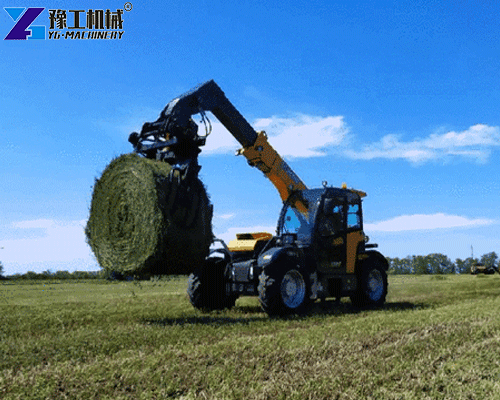
In farming environments, an agricultural telehandler is commonly used for:
- Handling hay bales and feed
- Loading grain and fertilizer
- Cleaning barns and storage areas
Its reach allows operators to stack materials efficiently in high or narrow spaces, improving storage utilization.
Construction and Infrastructure Projects
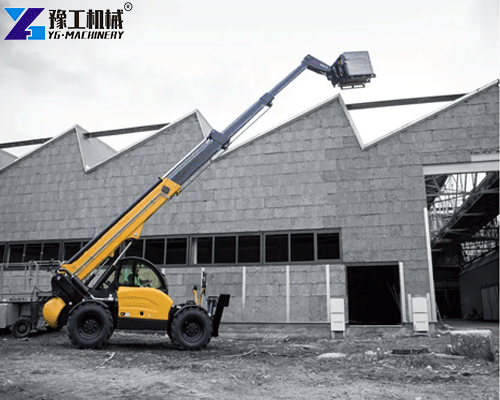
A rough terrain telehandler performs reliably on construction sites where forklifts struggle. Common tasks include:
- Lifting bricks and steel structures
- Positioning materials on scaffolding
- Loading trucks in uneven ground conditions
The combination of reach and stability supports continuous operation with fewer interruptions.
Industrial and Warehouse Support
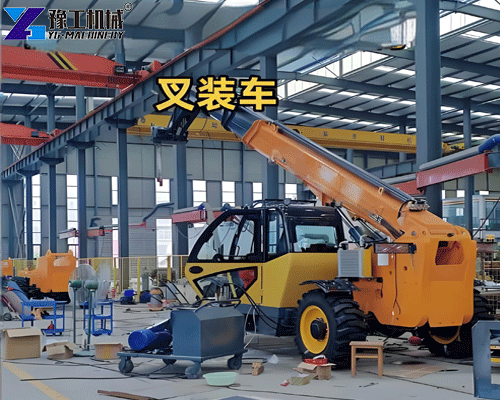
A telescopic boom handler is also used in industrial yards and large warehouses, especially when outdoor and indoor handling tasks overlap. It bridges the gap between forklifts and cranes for medium-duty lifting.
Click Here to Get A Free Quote
Investment Value and Cost Efficiency
From an investment perspective, a telescopic loader for sale provides long-term value rather than short-term cost savings.
Reduced Equipment Overlap
One machine replaces multiple handling tools, lowering:
- Initial procurement costs
- Maintenance complexity
- Operator training requirements
- Lower Downtime
Modern hydraulic systems and reinforced boom structures are designed for continuous duty cycles, reducing unexpected stoppages in high-intensity operations.
Fuel and Energy Options
Many buyers compare telescopic loaders with warehouse equipment such as electric forklifts. Electric forklifts are ideal for indoor, flat-floor operations, while telescopic loaders excel outdoors and on rough terrain. Using both in a fleet creates a balanced handling solution rather than direct substitution.
Click Here to Get A Free Quote
Key Parameters Buyers Usually Evaluate
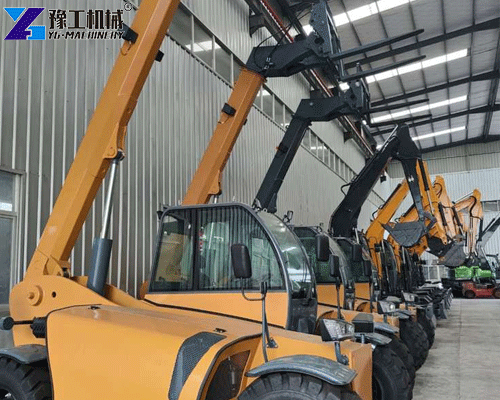
Before selecting a telescopic loader, buyers typically focus on these technical factors:
- Maximum lifting height
- Maximum forward reach
- Rated load capacity at full extension
- Engine power and hydraulic flow
- Attachment compatibility
Matching these parameters to actual job requirements prevents over-investment and underperformance.
Why Telescopic Loaders Are Growing in Global Demand?
Across agriculture, construction, and logistics sectors, labor efficiency and site flexibility are becoming more important than machine specialization. A telescopic loader fits this trend by offering adaptable performance without complex setup.
For emerging markets and developing infrastructure projects, this type of equipment helps contractors and farm owners scale operations without expanding machine fleets excessively.
Click Here to Get A Free Quote
Choosing a Reliable Manufacturer
When evaluating a telescopic loader for sale, buyers often prioritize:
- Proven export experience
- Stable hydraulic and structural design
- Availability of spare parts
- Technical support and after-sales service
A reliable manufacturer ensures consistent performance throughout the machine’s service life, especially in demanding environments.
Conclusion
A telescopic loader for sale is a practical investment for users who need reach, lifting power, and adaptability in one machine. Whether handling crops, construction materials, or industrial loads, it delivers measurable efficiency gains across diverse applications. When combined with complementary equipment such as electric forklifts, it forms a complete and cost-effective material handling solution.