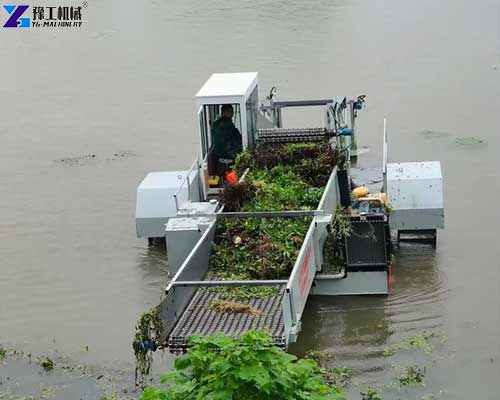
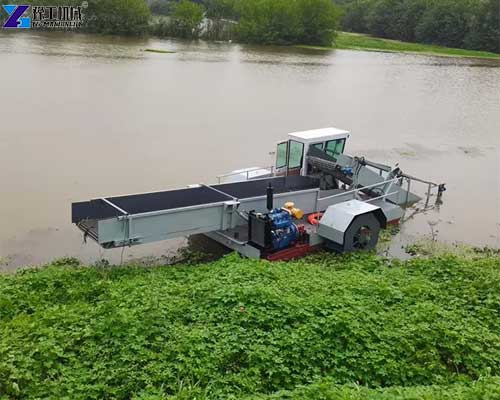
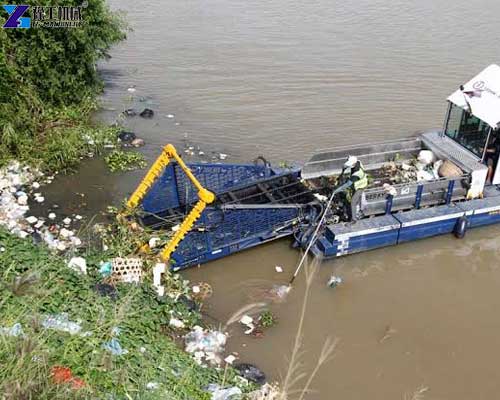
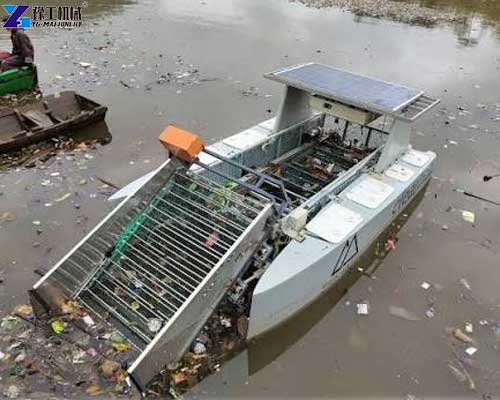
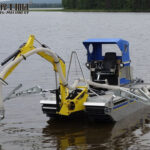
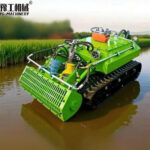
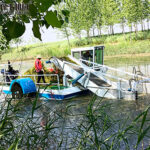
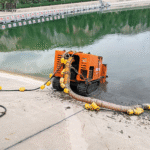
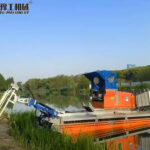
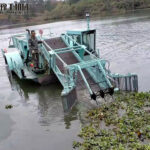
Rivers, canals, lakes, and reservoirs around the world are facing increasing problems caused by floating waste, plastic pollution, aquatic plants, and other surface debris. For municipalities, environmental companies, ports, and water management organizations, investing in a river cleaning machine is an effective way to improve water quality and reduce manual cleaning costs.
However, one of the most common questions before purchasing is:
How much does a river cleaning machine cost?
The answer depends on many factors, including machine size, cleaning capacity, automation level, working environment, and customization requirements.
This guide explains the factors that influence river cleaning machine price, helping buyers choose the right water cleaning solution based on their actual needs.
What Is a River Cleaning Machine?
A river cleaning machine is specialized equipment designed to collect and remove floating waste from water surfaces, including:
- Plastic bottles and bags
- Floating garbage
- Leaves and branches
- Aquatic plants
- Algae and organic waste
Unlike traditional manual cleaning methods, modern river cleaning equipment uses mechanical collection systems to continuously remove waste from rivers, lakes, canals, and reservoirs.
A typical river cleaning boat consists of:
- Floating platform or boat body
- Conveyor collection system
- Hydraulic drive system
- Storage area for collected waste
- Remote control or automatic operation system
Depending on the application, machines can range from compact remote-controlled cleaning boats for small rivers to large automatic waste collection vessels for urban waterways.
How Much Does a River Cleaning Machine Cost?
The river cleaning machine price varies significantly depending on specifications and application requirements.
Generally, the cost is affected by:
| Machine size | Larger boats require more materials and stronger systems |
| Cleaning capacity | Higher collection efficiency increases equipment cost |
| Automation level | Remote control and intelligent systems increase investment |
| Working environment | Rivers, lakes, reservoirs, and ports require different designs |
| Storage capacity | Larger waste storage improves continuous operation |
| Customization | Special requirements affect manufacturing cost |
A small floating waste collection machine designed for narrow canals will have a different price compared with a large river cleaning boat designed for heavy pollution areas.
Therefore, suppliers usually provide customized quotations based on the customer’s water conditions and cleaning requirements.
Main Factors Affecting River Cleaning Machine Price
1. Machine Size and Structure Design
The size of the cleaning vessel is one of the biggest factors affecting the price.
Small river cleaning machines are suitable for:
- Urban rivers
- Landscape lakes
- Small canals
- Aquaculture ponds
They are usually compact, easy to transport, and require less operating space.
Large river cleaning boats are designed for:
- Wide rivers
- Reservoirs
- Harbors
- Heavy floating waste conditions
They provide:
- Larger collection width
- Higher working efficiency
- Longer continuous operation time
A larger cleaning width means more floating waste can be collected in each operation cycle, but it also increases manufacturing cost.
2. Cleaning Capacity and Working Efficiency
Another important factor affecting river cleaning equipment cost is the cleaning capacity.
Different projects require different collection speeds and loading capacities.
Important performance parameters include:
Collection Width
A wider conveyor system can collect more floating debris during operation.
Waste Storage Capacity
A larger storage area reduces unloading frequency and improves working efficiency.
Working Speed
Higher-speed equipment is suitable for large water areas where daily waste volume is high.
For example:
- Small canals may only require a compact cleaning boat.
- Large rivers with heavy plastic pollution may need continuous-duty floating waste collection equipment.
Choosing the correct capacity avoids unnecessary investment while ensuring cleaning efficiency.
3. Manual, Remote-Controlled, or Automatic Operation
The automation level also affects the water cleaning machine cost.
Manual Operation
Traditional cleaning boats require operators onboard.
Advantages:
- Lower initial investment
- Simple operation
Limitations:
- Higher labor requirements
- Safety risks in polluted water environments
Remote-Controlled River Cleaning Machine
Remote-controlled models allow operators to control the machine from the shore.
Advantages:
- Safer operation
- Suitable for polluted water
- Reduces manpower requirements
- Works in dangerous areas
This type is increasingly popular for municipal and environmental projects.
Automatic River Cleaning Machine
Advanced models can include:
- Automatic navigation
- Intelligent route planning
- Sensor systems
- Autonomous cleaning functions
They provide higher efficiency but require a larger investment.
4. Working Environment and Water Conditions
Different water environments require different designs.
A river cleaning machine used in a clean landscape lake is different from one operating in a heavily polluted urban river.
Important factors include:
Water Width
Narrow canals may require compact equipment.
Water Flow
Fast-flowing rivers require stronger propulsion systems and stable structures.

Waste Type
Different waste materials affect machine design.
Examples:
| Plastic bottles | Conveyor collection system |
| Floating plants | Strong cutting and collection system |
| Heavy debris | Reinforced structure |
| Mixed waste | Larger storage capacity |
Understanding the working environment helps determine the right machine configuration and avoids choosing unsuitable equipment.
5. Customization Requirements
Many customers require customized solutions because every river has different conditions.
Customization may include:
Different Boat Sizes
Designed according to river width and transportation requirements.
Special Collection Systems
For example:
- Floating garbage collection
- Aquatic weed harvesting
- Algae removal
Remote Control System
Useful for:
- Dangerous water areas
- Restricted access locations
- Environmental protection projects
Solar-Powered Options
For projects requiring low-energy operation and environmentally friendly solutions.
Customization is one of the reasons why the floating trash collector price varies between projects.
River Cleaning Machine vs Traditional Manual Cleaning Cost
Many organizations compare equipment investment with traditional labor-based cleaning.
Manual cleaning usually involves:
- More workers
- Higher long-term labor costs
- Lower efficiency
- Increased safety risks

A mechanical river cleaning system provides:
✔ Continuous operation
✔ Higher collection efficiency
✔ Reduced dependence on manpower
✔ Safer working conditions
✔ Better environmental management
Although the initial investment may be higher, the long-term operating cost can be significantly reduced.
How to Choose the Right River Cleaning Machine?
Before purchasing, buyers should consider the following questions:
1. What type of water body needs cleaning?
Is it:
- River?
- Lake?
- Canal?
- Reservoir?
- Harbor?
2. What type of waste needs to be collected?
Examples:
- Floating garbage
- Plastic waste
- Aquatic plants
- Algae
3. What is the daily cleaning requirement?
Important information includes:
- Water area size
- Waste volume
- Required working hours
4. Is remote operation required?
For polluted rivers or unsafe areas, a remote-controlled river cleaning machine can provide safer operation.
5. Is customization needed?
Providing project details allows manufacturers to recommend a suitable configuration and provide an accurate quotation.
Why Choose Our River Cleaning Solution?
We provide customized water surface cleaning equipment for different environmental projects.
Our river cleaning machines are designed with:
Efficient Waste Collection System
The conveyor collection mechanism continuously collects floating waste from the water surface.
Remote-Control Operation
Operators can control the machine safely without entering polluted water areas.
Flexible Application
Suitable for:
- Rivers
- Lakes
- Reservoirs
- Canals
- Aquaculture ponds
Factory Direct Manufacturing
As a professional environmental equipment manufacturer, we provide:
- Customized solutions
- Technical support
- Equipment configuration recommendations
- Global project experience
FAQ About River Cleaning Machine Price
1.How much does a river cleaning machine cost?
The price depends on machine size, cleaning capacity, automation level, and customization requirements. A detailed quotation requires information about the working environment and cleaning target.
2.Why are river cleaning boat prices different between suppliers?
Different suppliers may offer different designs, materials, collection systems, and automation features. The cheapest option is not always the most suitable solution for long-term operation.
3.Can one machine clean both garbage and aquatic plants?
Yes. Some models can be equipped with customized collection systems for floating garbage, weeds, and organic waste.
4.Is a remote-controlled river cleaning machine worth the investment?
For polluted rivers, industrial waterways, and areas with safety concerns, remote-controlled equipment can reduce labor requirements and improve operation safety.
5.How long does a river cleaning machine last?
With proper maintenance, a well-designed river cleaning machine can provide many years of reliable operation. Service life depends on operating environment, maintenance frequency, and equipment quality.

Request a Customized River Cleaning Solution
The right river cleaning machine price depends on your water conditions, cleaning goals, and required working efficiency.
If you are planning a river, lake, canal, or reservoir cleaning project, our technical team can recommend a suitable solution based on:
- Water area size
- Waste type
- Required cleaning capacity
- Operation method
- Budget requirements
Contact us today to get a customized river cleaning machine solution and quotation.