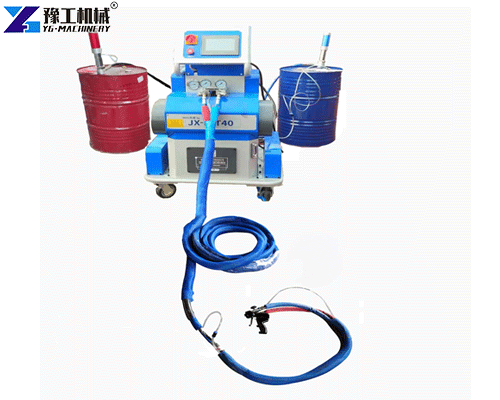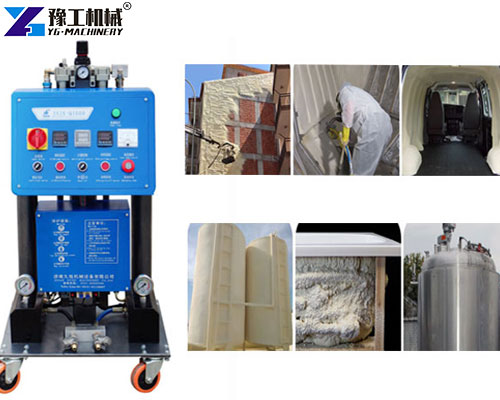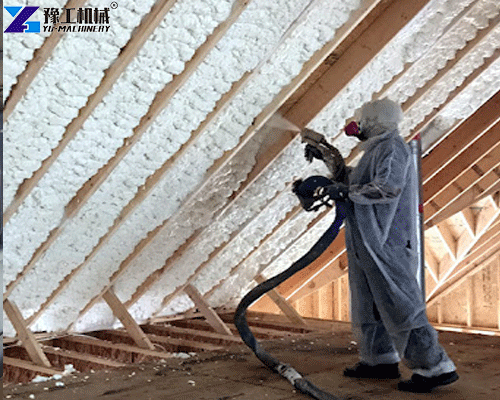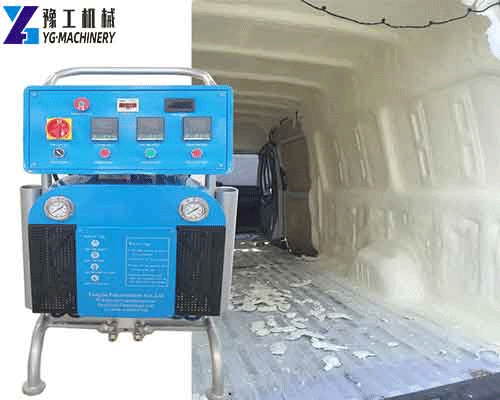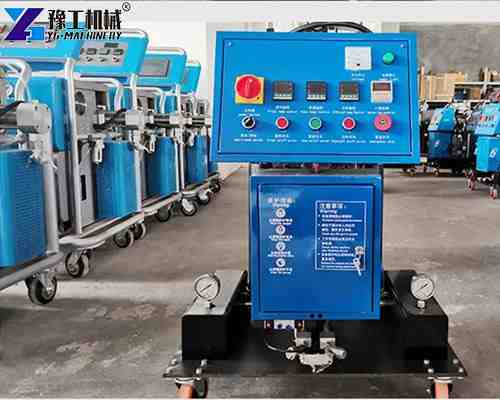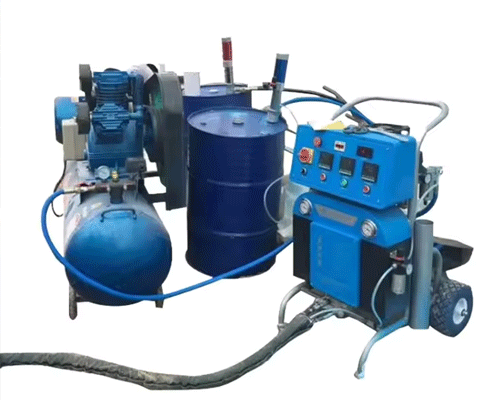
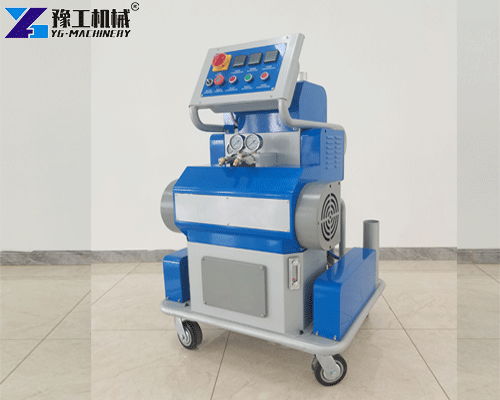
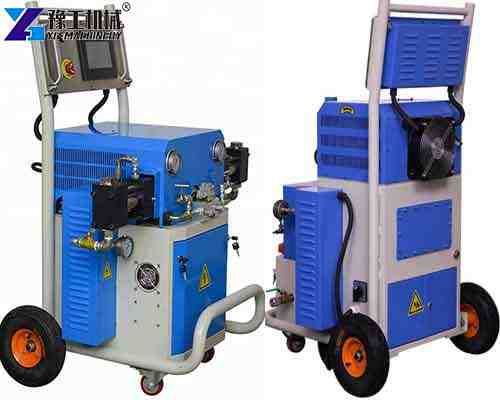
Choosing the right spray equipment is not always straightforward. Polyurethane and polyurea are both widely used two-component materials, and their spraying systems may look similar at first glance. Both typically use proportioning pumps, heaters, heated hoses and spray guns.
However, the materials behave very differently during application.
Polyurethane is commonly used for insulation and foam applications, while polyurea is primarily used for waterproofing and protective coatings. Their different reaction speeds, viscosities and processing requirements mean that the equipment configuration may also differ.
Choosing the wrong machine can lead to unstable mixing, poor spray quality, material waste and costly downtime.
So, when comparing a polyurethane spray machine vs polyurea spray machine, what are the real differences? More importantly, which type of equipment is right for your application?
Quick Comparison: Polyurethane vs Polyurea Spray Machine
| Main Material | Polyurethane / PU materials | Polyurea coatings |
| Typical Use | Insulation, foam filling | Waterproofing, protective coatings |
| Material Reaction Speed | Depends on formulation | Extremely fast |
| Temperature Control | Important | More demanding |
| Working Pressure | Medium to high | Typically high |
| Heated Hose | Required for many applications | Critical for stable processing |
| Mixing Accuracy | Important | Extremely important |
| Application Difficulty | Generally easier | Requires more precise operation |
| Equipment Investment | Usually lower | Often higher |
| Typical Projects | Insulation, cold storage, pipe insulation | Roofing, tanks, bridges, industrial protection |
While both machines are designed for two-component spraying, the material processing requirements should always be considered before selecting equipment.
What Is a Polyurethane Spray Machine?
A polyurethane spray machine is designed to process two-component polyurethane materials. The system typically heats, pressurizes and proportionally delivers the components before they are mixed and sprayed through a spray gun.
Polyurethane materials are widely used in insulation and foam applications because of their excellent thermal insulation properties and ability to expand and fill irregular spaces.
Common applications include:
- Building wall insulation
- Roof insulation
- Cold storage insulation
- Pipe insulation
- Tank insulation
- Industrial equipment insulation
- Foam filling and sealing
For these applications, stable material temperature and accurate proportioning are essential. Improper processing conditions can affect foam density, expansion, adhesion and overall insulation performance.
Depending on the material formulation, a polyurethane spraying system may require heated components, high-pressure pumps and heated hoses to maintain the correct viscosity during application.
What Is a Polyurea Spray Machine?
A polyurea spray machine is designed to process fast-reacting polyurea coatings.
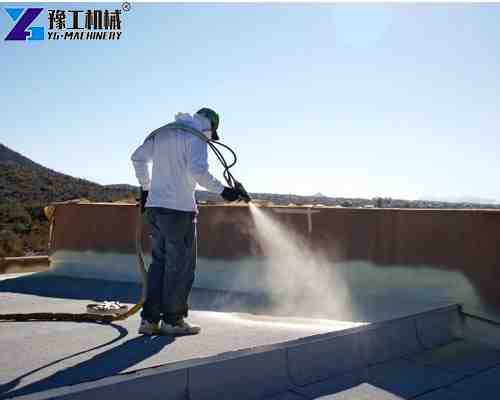
Unlike polyurethane foam, polyurea is commonly used to create seamless waterproof and protective coatings. One of its defining characteristics is its extremely fast reaction time. Once the two components are mixed, curing can begin within seconds.
Because of this rapid reaction, the spraying process requires stable equipment performance and precise control.
Typical polyurea applications include:
- Roof waterproofing
- Industrial tank linings
- Secondary containment
- Bridge protection
- Pipeline coatings
- Industrial floor protection
- Truck bed coatings
- Marine and corrosion protection
A polyurea spray system generally requires reliable heating, high-pressure delivery and accurate proportioning to ensure consistent material processing.
For contractors working with fast-reacting coatings, equipment stability is especially important. Even small variations in temperature, pressure or mixing ratio can affect the final coating quality.
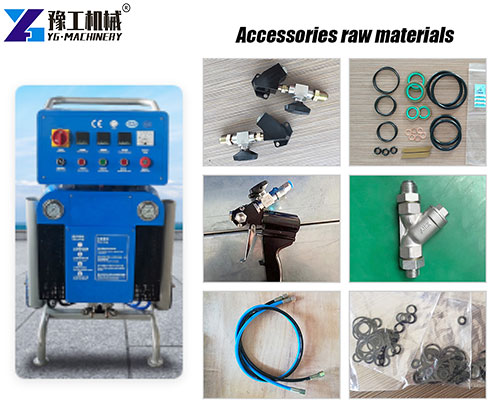
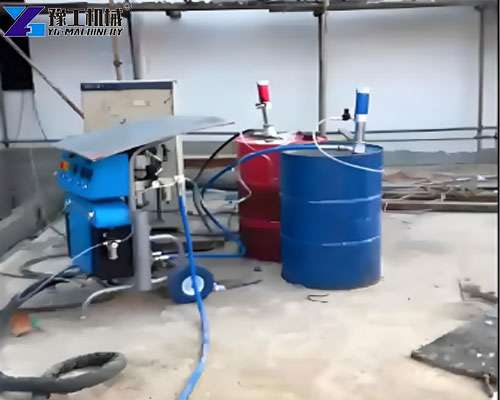
Key Differences Between Polyurethane Spray Machines and Polyurea Spray Machines
The main difference between these systems is not simply the appearance of the equipment. It comes from the processing characteristics of the materials.
Before choosing a machine, contractors should understand how reaction speed, temperature, pressure and mixing requirements affect equipment selection.
1. Material Reaction Speed
Reaction speed is one of the most important differences.
Polyurethane materials can have different reaction times depending on the formulation and application. This gives operators more flexibility during processing.
Polyurea, however, is known for its extremely fast reaction speed. Once the components are mixed, the material begins curing almost immediately.
This creates higher requirements for the spraying system.
The equipment must deliver the two components accurately and consistently to the spray gun. Any instability during the mixing or spraying process can affect coating performance.
In simple terms:
The faster the material reacts, the more demanding the equipment requirements become.
This is one reason why polyurea spraying equipment typically requires more precise control than equipment used for standard polyurethane applications.
2. Heating Requirements
Both polyurethane and polyurea materials may require heating before spraying.
Heating reduces material viscosity and helps maintain stable flow during the spraying process.
However, polyurea applications often have stricter temperature requirements.
A typical high-performance polyurea system may include:
- Powerful primary heaters
- Independent temperature control
- Heated material hoses
- Stable temperature maintenance from the pump to the spray gun
If the material temperature drops significantly during delivery, viscosity can change and spraying performance may become unstable.
This becomes particularly important when using long hoses or working in cold environments.
For this reason, contractors should not select equipment based only on maximum temperature. The machine should also provide stable and consistent temperature control throughout the spraying process.
3. Working Pressure
Pressure plays an important role in both polyurethane and polyurea spraying.
The correct pressure helps transport materials, maintain proper atomization and ensure consistent mixing at the spray gun.
Polyurea systems generally require high and stable pressure because of the material’s fast reaction characteristics.
Insufficient pressure may contribute to problems such as:
- Poor atomization
- Uneven spraying
- Inconsistent mixing
- Surface defects
- Reduced coating quality
A stable high-pressure system is therefore an important consideration for demanding polyurea applications.
However, higher pressure alone does not guarantee better performance. Pressure, temperature and proportioning accuracy must work together.
4. Mixing Accuracy
Both polyurethane and polyurea are typically processed as two-component materials.
The components must be delivered at the correct ratio to achieve the expected material properties.
For polyurethane applications, inaccurate mixing may affect foam expansion, density or adhesion.
For polyurea coatings, inaccurate proportioning can cause even more obvious performance issues because of the material’s rapid reaction speed.
Potential problems may include:
- Uneven curing
- Soft or uncured areas
- Reduced adhesion
- Inconsistent coating thickness
- Material waste
For this reason, a reliable proportioning system is one of the most important factors when selecting equipment for polyurea applications.
Contractors should focus not only on machine output but also on long-term proportioning stability.
5. Heated Hose Requirements
The hose system is often underestimated when selecting spray equipment.
Material temperature can change as it travels from the machine to the spray gun, especially when long hoses are used.
A properly designed heated hose system helps maintain stable material viscosity during delivery.
This is particularly important for polyurea applications because temperature variations can affect material processing and spray quality.
When comparing equipment, consider:
- Maximum hose length
- Heating performance
- Temperature consistency
- Hose flexibility
- Working environment
A powerful main heater is not enough if the material loses temperature before reaching the spray gun.
For large projects, hose heating performance should be considered as part of the complete spraying system rather than as an optional accessory.
6. Spray Gun and Application Control
The spray gun is another critical component of the system.
For fast-reacting polyurea materials, mixing occurs immediately before spraying. The gun must provide reliable mixing and consistent atomization.
Because polyurea cures rapidly, operators also need to pay close attention to equipment cleaning and maintenance.
Polyurethane systems may offer more flexibility depending on the material formulation, but proper spray gun selection is still essential for stable application.
When choosing a complete spray system, the machine, heated hose and spray gun should be evaluated together.
A high-performance pump cannot compensate for an unsuitable spray gun.
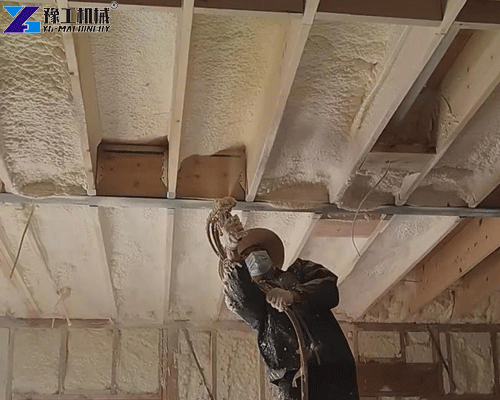
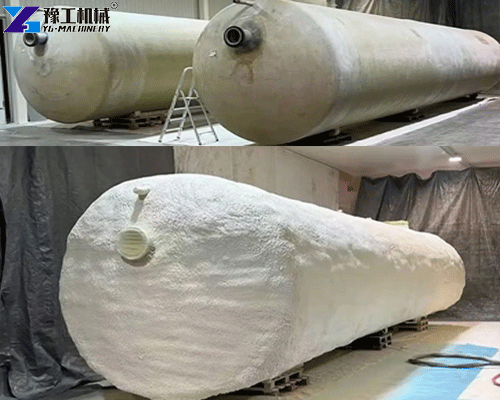
7. Typical Applications
Application requirements are often the easiest way to determine which type of equipment is suitable.
Polyurethane Applications
Polyurethane spraying equipment is commonly selected for projects focused on thermal insulation and foam applications.
Typical projects include:
- Cold storage facilities
- Building insulation
- Roof insulation
- Industrial tanks
- Pipelines
- Refrigeration equipment
- Wall and cavity insulation
The goal is often to create an insulating foam layer with consistent density and expansion.
Polyurea Applications
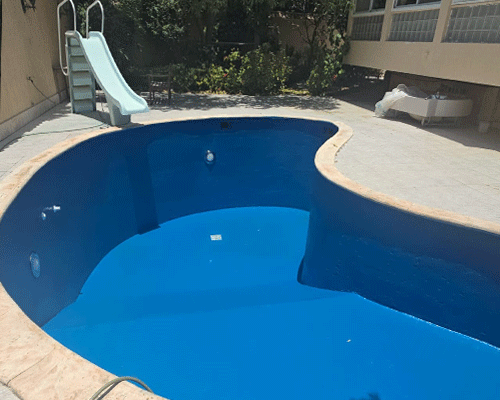
Polyurea equipment is primarily used for projects requiring waterproofing, chemical resistance or surface protection.
Typical applications include:
- Roof waterproofing
- Tank linings
- Pipeline protection
- Industrial flooring
- Secondary containment
- Bridge structures
- Truck beds
- Marine equipment
The goal is generally to create a durable, seamless protective coating.
Can One Spray Machine Spray Both Polyurethane and Polyurea?
This is one of the most common questions from contractors and equipment buyers.
The short answer is:
It depends on the machine configuration and the material requirements.
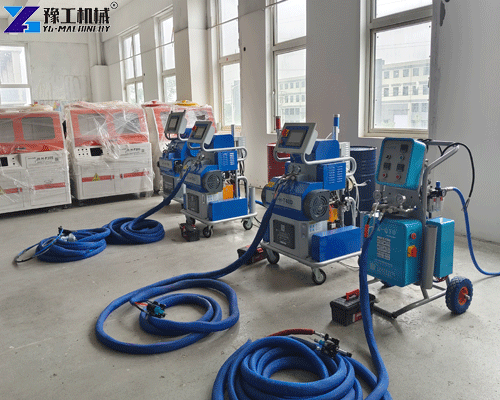
Some high-pressure plural-component spray machines can process both polyurethane and polyurea materials when properly configured.
However, not every polyurethane spray machine is suitable for polyurea.
Before using one machine for different materials, several factors should be checked:
- Maximum heating temperature
- Working pressure range
- Proportioning accuracy
- Pump configuration
- Heated hose performance
- Material viscosity
- Spray gun compatibility
- Manufacturer recommendations
If a contractor plans to handle both insulation and protective coating projects, a versatile high-pressure plural-component system may provide greater flexibility.
However, equipment compatibility should always be confirmed based on the specific material formulation.
Material suppliers may have different processing requirements, even for products within the same material category.
Which Machine Should You Choose?
The best choice depends primarily on the material and application.
Instead of asking which machine is better, contractors should ask:
What material am I spraying, and what processing conditions does it require?
Choose a Polyurethane Spray Machine If You Need:
- Spray foam insulation
- Cold storage insulation
- Building insulation
- Pipe insulation
- Tank insulation
- Roof insulation foam
- Cavity filling
A polyurethane system is generally the more suitable choice when thermal insulation and foam expansion are the primary project requirements.
Choose a Polyurea Spray Machine If You Need:
- Waterproof coatings
- Industrial protective coatings
- Tank linings
- Pipeline protection
- Roof waterproofing
- Industrial floor coatings
- Corrosion protection
A high-performance polyurea system is better suited for fast-reacting protective coatings that require stable high-pressure and temperature-controlled application.
Consider a Versatile Spray System If You Handle Multiple Projects
Some contractors work with different materials and applications throughout the year.
For example, a spraying company may handle:
- Building insulation projects
- Cold storage construction
- Roof waterproofing
- Industrial tank protection
In this situation, investing in a versatile plural-component spray system may offer greater flexibility.
However, versatility should not come at the expense of performance.
Before purchasing equipment, make sure the machine can meet the processing requirements of every material you plan to use.
Polyurethane vs Polyurea Application Comparison
| Building Insulation | Polyurethane Foam | Stable proportioning and foam processing |
| Cold Storage | Polyurethane Foam | Consistent density and insulation performance |
| Pipe Insulation | Polyurethane | Temperature and output stability |
| Tank Insulation | Polyurethane Foam | Controlled material processing |
| Roof Waterproofing | Polyurea | High-pressure and stable heating |
| Industrial Tank Lining | Polyurea | Precise proportioning and coating consistency |
| Pipeline Protection | Polyurea | Reliable heated spraying system |
| Industrial Floor Protection | Polyurea | Fast-reacting coating control |
| Truck Bed Coating | Polyurea | High-performance spray application |
This comparison shows that equipment selection should always begin with the final application rather than the machine itself.
Common Mistakes When Choosing a Spray Machine
Selecting spray equipment based only on price can create expensive problems later.
Here are some common mistakes buyers should avoid.
1.Choosing Equipment Based Only on Initial Cost
A lower-priced machine may appear attractive initially, but insufficient heating capacity or unstable pressure can cause problems during demanding applications.
Equipment should be evaluated based on long-term performance, maintenance requirements and material compatibility.
2.Ignoring Material Viscosity
Different polyurethane and polyurea formulations have different viscosities and processing temperatures.
A machine suitable for one material may not be suitable for another.
Always check the material supplier’s recommended processing conditions before selecting equipment.
3.Underestimating Heated Hose Performance
Long hoses can result in significant temperature loss if the heating system is not properly designed.
This can affect material viscosity and spray consistency.
For large projects, hose heating capacity should be considered as carefully as the machine’s main heating system.
4.Focusing Only on Maximum Pressure
Maximum pressure is often used as a selling point, but stable operating performance is more important than a high number on a specification sheet.
The system should provide consistent pressure during continuous spraying.
5.Assuming Every PU Machine Can Spray Polyurea
This is a common misunderstanding.
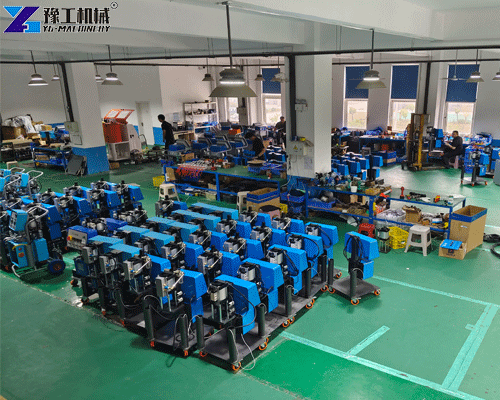
Although the machines may look similar, polyurea materials can have much more demanding processing requirements.
Always confirm compatibility before switching materials.
How to Select the Right Spray Equipment for Your Project?
Before purchasing a polyurethane or polyurea spray machine, prepare the following information:
1. Material Type
Provide the exact material you plan to spray.
Different formulations can have different processing requirements.
2. Application
Explain whether the project involves insulation, waterproofing, corrosion protection or another application.
3. Material Consumption
Estimate the expected daily or hourly spraying volume.
This helps determine the required machine output.
4. Hose Length
Large projects may require longer material hoses, which increases the importance of hose heating performance.
5. Working Environment
Consider factors such as:
- Ambient temperature
- Indoor or outdoor operation
- Project height
- Power supply
- Mobility requirements
6. Future Applications
If you plan to expand from polyurethane insulation into polyurea waterproofing or protective coatings, consider future material compatibility before making a purchasing decision.
Providing this information to an equipment supplier can help ensure that the recommended system matches your actual project requirements.
FAQ about Polyurethane vs Polyurea Machine
1.Is a polyurethane spray machine the same as a polyurea spray machine?
Not exactly. Both may use two-component proportioning technology, but polyurea usually has more demanding requirements for temperature control, pressure stability and accurate proportioning due to its fast reaction speed.
2.Can a polyurethane spray machine spray polyurea?
Some high-pressure plural-component spray machines can process both materials. However, compatibility depends on the machine’s heating capacity, pressure performance, pump configuration, hose system and spray gun.
3.Why is polyurea spray equipment often more expensive?
Polyurea applications may require higher-performance heaters, pumps, heated hoses and proportioning systems to process fast-reacting materials consistently.
4.Which material is easier to spray?
This depends on the specific formulation and application. However, standard polyurethane foam systems generally provide more processing flexibility than fast-reacting polyurea coatings.
5.What should I check before buying a spray machine?
Focus on material compatibility, heating performance, pressure stability, proportioning accuracy, hose length, output capacity and future application requirements.
Final Thoughts
When comparing a polyurethane spray machine vs polyurea spray machine, the most important difference comes from the materials being processed.
Polyurethane systems are widely used for insulation and foam applications, while polyurea equipment is designed for demanding waterproofing and protective coating projects.
The right machine should not be selected based only on price or maximum specifications.
Instead, consider:
- Material type
- Reaction speed
- Processing temperature
- Pressure requirements
- Mixing accuracy
- Hose length
- Daily output
- Project environment
- Future applications
Understanding these factors will help you choose equipment that delivers stable spraying performance and reduces the risk of material waste or project downtime.
Not sure which spray machine is suitable for your material? Share your material type, application and project requirements with our technical team, and we can recommend a suitable equipment configuration.