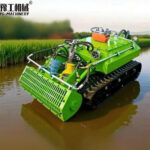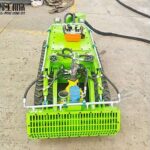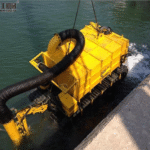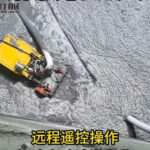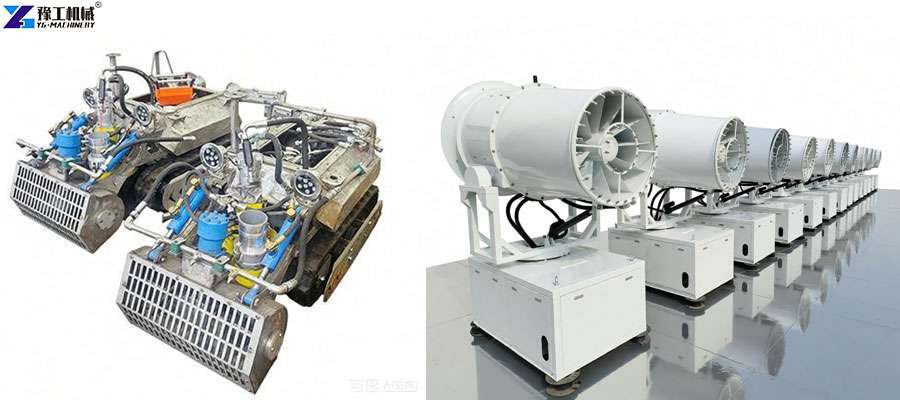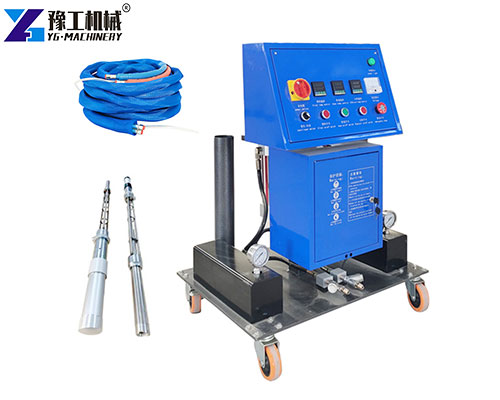
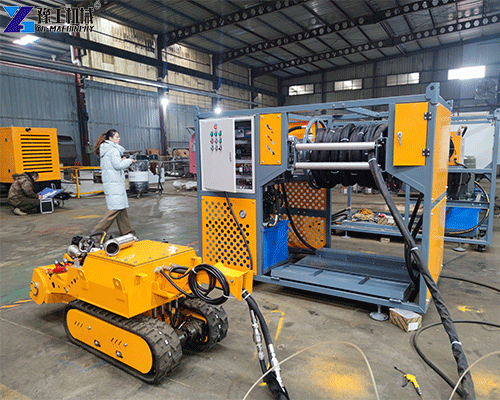
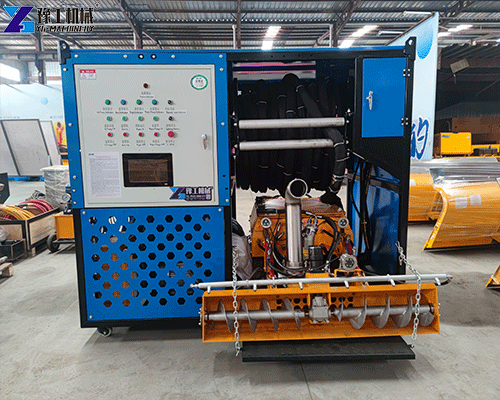
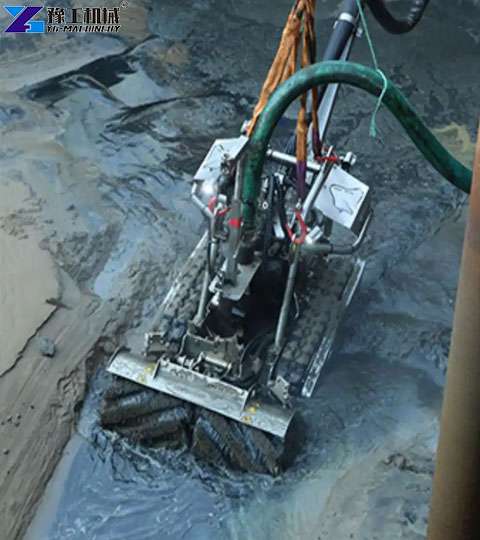
In 2025, multiple clients across Africa, the Middle East, Europe, and Australia reported excellent results using YG’s underwater dredging robot for various waterway cleaning tasks. The machine has become a preferred choice for industrial and municipal operations due to its high efficiency, remote operability, and environmentally-friendly design.
underwater dredging robot Parameters
| Parameter | YG500 | YG600 | YG700 | YG800 | YG900 | YG1200 |
| Robot Dimensions (mm) | 1500*500*650 | 1500*600*650 | 1600*700*650 | 1600*850*700 | 1650*960*750 | 1900*1200*750 |
| Dredging Width (mm) | 500 | 600 | 700 | 800 | 900 | Suitable for large culverts |
| Travel Speed (m/s) | 3–15 | 3–15 | 3–15 | 3–15 | 3–15 | 0–17 m/min |
| Pump Diameter (inch) | 3 | 3 | 4 | 4 | 4 | 4or6 |
| Pump Flow (m³/h) | 100 | 100 | 160 | 160 | 200 | 250 |
| Pump Head (m) | 0–30 | 0–30 | 0–25 | 0–25 | 0–25 | 0–30 (Horizontal: 100–150m) |
| Hydraulic Station Dimensions (mm) | 2200*1200*1700 | 2200*1200*1700 | 2200*1200*1700 | 2200*1200*1700 | 2200*1200*1700 | 2120*1240*1200 |
| Main Motor Power (kW) | 18 | 18 | 22 | 22 | 22 | 45KW (50KW) or Diesel 76KW (123KW) |
| Hydraulic System Pressure (Mpa) | 0–16 | 0–16 | 0–16 | 0–16 | 0–16 | Not specified |
| Particle Size (mm) | 15 | 15 | 40 | 40 | 50 | 0–40 (customizable) |
| Winch Speed (r/min) | 0–10 | 0–10 | 0–10 | 0–10 | 0–10 | 0–10 |
| Pipe Length (m) | 30–50 Optional | 30–50 Optional | 30–50 Optional | 30–50 Optional | 30–50 Optional | 30m/pack, 20kg pressure resistant, optional |
| Control System | Wireless Remote | Wireless Remote | Wireless Remote | Wireless Remote | Wireless Remote | Wireless Remote |
| Lighting System | Underwater LED*2 | Underwater LED*2 | Underwater LED*2 | Underwater LED*2 | Underwater LED*2 | Underwater LED*2 |
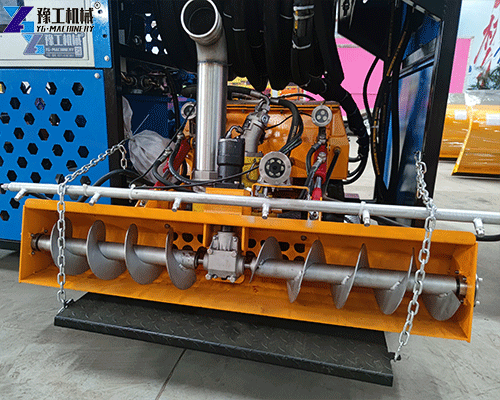
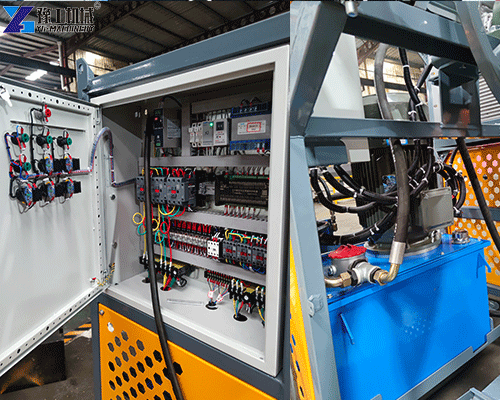
Key Advantages of underwater Dredging Robot
Clients consistently highlight the following advantages of our dredging robot:
- High Precision and Efficiency: Capable of removing sediment, sludge, and debris from rivers, lakes, oil tanks, and industrial reservoirs, improving water quality and flow capacity.
- Remote Operation: Equipped with wireless controls, allowing operators to manage dredging tasks from a safe distance, reducing risks in hazardous environments.
- Visual Interface: Onboard screens provide real-time feedback on depth, location, and dredging volume, enabling precise and data-driven operations.
- Explosion-Proof Design: Ideal for environments with flammable substances, such as fuel storage tanks, ensuring maximum safety during industrial dredging.
- Eco-Friendly Operation: Electric or hybrid power options reduce emissions and minimize disturbances to aquatic life.
Clients in Africa have successfully deployed the robot for lake cleaning and reservoir maintenance, while oil companies in the Middle East use it as an oil tank cleaning robot, emphasizing its durability in high-risk, industrial conditions.
Applications of sludge cleaning robot
The versatility of the dredging robot makes it suitable for multiple applications:
- Industrial Dredging: Removing sediments and sludge from factories, mining water pools, and wastewater treatment plants.
- Lake and River Maintenance: Regular cleaning to prevent silt accumulation, maintaining navigable waterways and ecological balance.
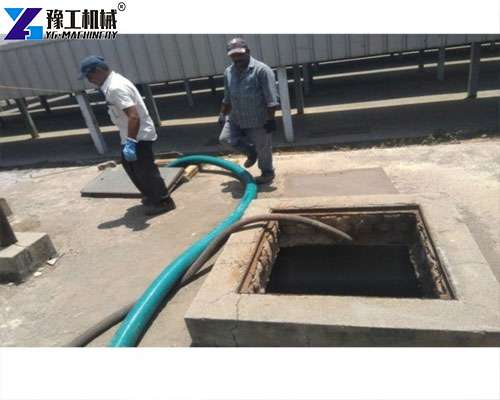
- Oil Tank Cleaning: Safe and efficient cleaning of storage tanks without the need for manual entry, reducing labor risks.
- Urban Water Management: Used in reservoirs, canals, and urban lakes to prevent flooding and maintain water circulation.
In Europe, clients report using the machine to maintain lakes and urban waterways, achieving up to a 30% increase in operational efficiency compared with traditional dredging methods.
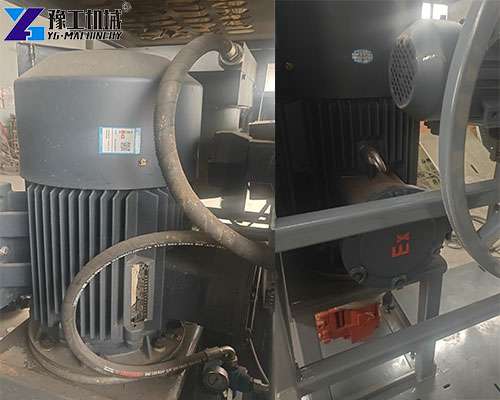
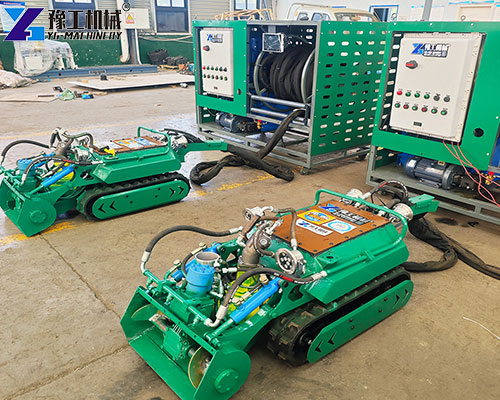
How to Choose the Right Dredging Robot?
Selecting the right robot depends on several factors:
- Work Environment: Consider the size of the water body, sediment type, and presence of hazardous materials.
- Lifting Capacity and Reach: Choose a model that can handle the required sediment load and reach different depths efficiently.
- Power Source: For eco-sensitive areas, electric-powered dredging robots are preferable. Diesel or hybrid systems are better for long-duration or high-capacity tasks.
- Control and Monitoring Needs: Machines with real-time visual interfaces and remote control are recommended for safety-critical operations.
- Safety Requirements: Explosion-proof features are essential for industrial and oil tank applications.
Using these criteria, YG engineers assist clients in selecting the most suitable model, whether for a lake cleaning machine in urban areas or an industrial dredging robot for complex industrial sites.
Client Feedback
- African Water Authority: “The underwater dredging robot reduced manual labor significantly, and the remote control makes operations safer in deep or contaminated lakes.”
- Middle East Oil Company: “Using it as an oil tank cleaning robot eliminated the need for confined space entry. The explosion-proof design is a critical safety feature.”
- European Municipal Council: “We maintained urban lakes more efficiently, and the visual interface allowed precise monitoring of sediment removal.”
- Australian Aquaculture Farm: “The robot keeps ponds and reservoirs clean without disturbing fish populations.”
These testimonials highlight how the robot adapts to diverse environments and operational requirements.
Why YG underwater Dredging Robots Are Reliable?
YG Machinery provides not only high-quality machines but also tailored after-sales support:
- Operator Training: Ensures safe and effective use of remote controls and visual systems.
- Maintenance Guidance: Preventive maintenance schedules extend machine lifespan.
- Global Service Network: Support available in Africa, the Middle East, Europe, and Australia to minimize downtime.
Additionally, YG continues to innovate with upgrades such as improved battery life, enhanced explosion-proof safety, and advanced visual monitoring systems to meet evolving client needs.
FAQ about industrial dredging robot
Q1: Can the dredging robot operate in saltwater or chemical-contaminated water?
A1: Yes, it is built with corrosion-resistant materials suitable for both freshwater and industrial wastewater.
Q2: How deep can the dredging robot reach?
A2: Depending on the model, it can dredge up to 8–12 meters depth, suitable for lakes, rivers, and tanks.
Q3: Is it possible to integrate the robot into automated monitoring systems?
A3: Yes, it supports real-time data transfer and can be connected to SCADA or other monitoring platforms.
Q4: What is the delivery time for international clients?
A4: Standard delivery ranges from 6–10 weeks, including on-site commissioning and operator training.
Conclusion
The underwater dredging robot combines efficiency, safety, and environmental compatibility, making it ideal for global applications from urban lakes to industrial oil tanks. With explosion-proof features, remote control, and visual monitoring, it addresses both operational and safety challenges. YG Machinery’s solutions are proven reliable across Africa, the Middle East, Europe, and Australia, making it a preferred choice for modern dredging and cleaning projects.
Other related solutions from YG include industrial dredging robot accessories, lake cleaning machines, and oil tank maintenance equipment, ensuring comprehensive waterway management capabilities.