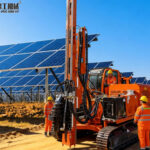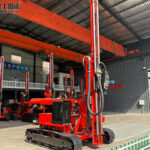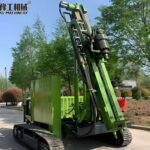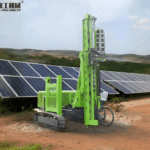
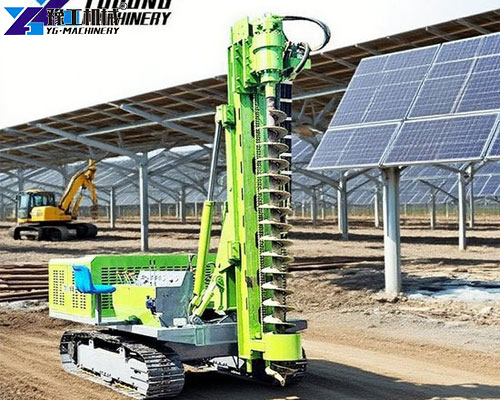
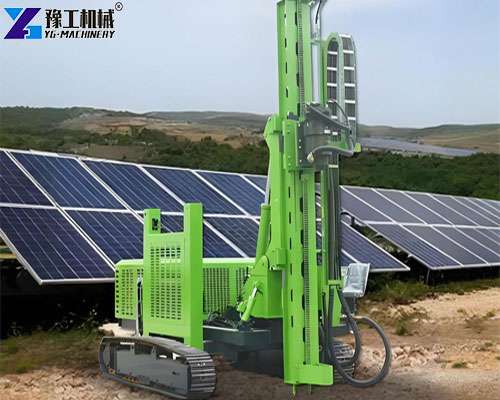
In photovoltaic (PV) power plant construction, pile driving accounts for 30–40% of the total project timeline and directly impacts installation speed, structural quality, and long-term energy output. A high-performance PV pile driver (also known as a photovoltaic pile driver or solar ramming machine) can help crews install 20–50 extra piles per day while keeping verticality deviation under 2°, slashing labor costs and fuel consumption.
Yet many contractors report the same frustrations: “The machine doesn’t match the terrain,” “Constant breakdowns after purchase,” or “Piles are out of plumb, causing expensive re-work on the mounting system.”
This 2026 PV pile driver buying guide draws on the latest industry data and feedback from hundreds of EPC contractors and installation teams. It answers the eight most-searched questions so you can select the right photovoltaic pile driver, avoid costly mistakes, and keep your solar farm project on time and on budget.
1. Efficiency Matters Most – How Many Piles Can One PV pile driver Install Per Day?
The #1 question from contractors: “Will the machine keep up with tight deadlines?”
Key performance indicators for modern photovoltaic pile drivers (hydraulic rotary drilling + piling combo units):
- Torque: ≥2,000 N·m for soft soil; ≥4,000 N·m for hard soil or Gobi desert
- Rotation speed: 90–100 RPM ideal for continuous 8-hour shifts
- Daily output: An 80 kW model can comfortably drive 50–80 piles per day (800–1,200 mm diameter, 1.5–3 m depth)
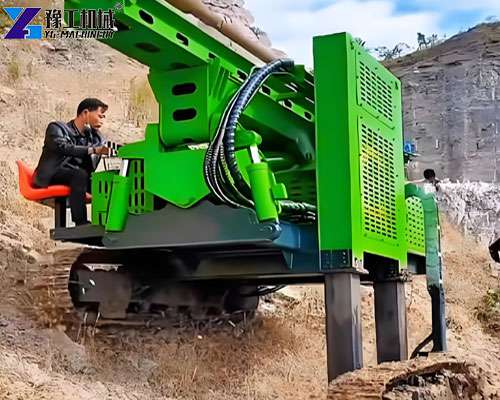
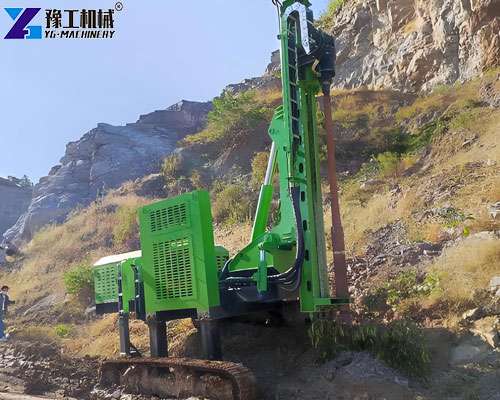
Pro tip: Choose high-speed spiral drills for flatland projects and automatic leveling + crawler-mounted units for mountain sites (relocation speed up to 30 m/min with almost zero blind spots).
2. Terrain Adaptability – Will It Handle Mountains, Deserts, or Floating Solar?
With distributed and mountainous solar projects growing rapidly in 2026, terrain capability is now the biggest pain point.
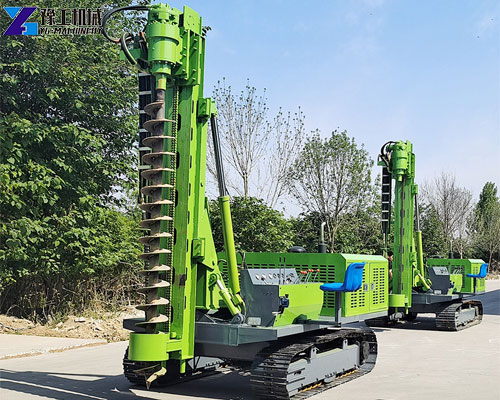
- Flatland / clay soil → Standard crawler-mounted spiral drill
- Mountainous / sloped sites → Must have ≥20° climbing ability + intelligent auto-leveling
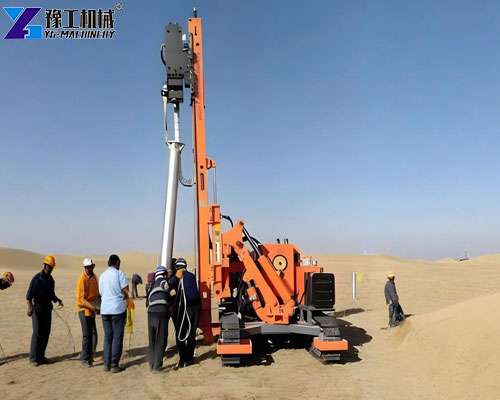
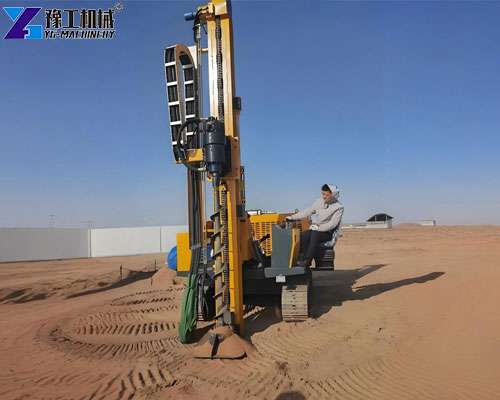
- Desert / Gobi → Low-vibration, sand-proof design to prevent bit jamming
- Fishery-PV hybrid (floating) → Tight pile-spacing tolerance of ±5 cm
Avoidance tip: Always share your geotechnical report before buying. Purchasing without site data is the fastest way to end up with stuck bits or out-of-plumb piles.
3. Real Cost Control – Don’t Just Look at Sticker Price
Most buyers focus on the purchase price, but the smart ones calculate Total Cost of Ownership (TCO).
- Mid-to-high-end PV pile drivers: $15,000–$35,000
- Fuel savings: Optimized power systems cut consumption by 15–20%
- Maintenance: Proper care reduces failure rate by up to 40%
- Money-saving secret: Choose a manufacturer with a strong national service network. 24-hour spare-part delivery beats buying a cheaper machine that spends weeks in the repair shop.
4. Verticality Precision – How Accurate Is “Good Enough”?
Pile verticality directly affects tracker or fixed-mount alignment and final kWh generation.
Industry benchmarks:
- Older machines: often >1.5% deviation
- 2026 intelligent models: ≤0.3–2° deviation thanks to laser sensors and auto-correction
Field practice: Use a level + guide frame for initial setup and re-check every 10 piles. Immediate correction prevents expensive downstream rework.
5. Maintenance Mistakes 90% of Teams Still Make
- Myth 1: More grease is better → Actually increases crankshaft resistance
- Myth 2: Skip cleaning after rain → Mud buildup causes rust and hydraulic clogs
- Myth 3: Only focus on driving, ignore daily checks → Most common failures: snapped wire ropes and cooling-fan issues
Weekly maintenance checklist (takes 15 minutes):
- Check oil, hydraulic fluid, coolant levels
- Clean drill bit and undercarriage
- Grease winch and wire ropes
- Touch-up paint after rainy days
Follow this routine and easily extend equipment life by 1–2 years.
6. Safety & Environmental Compliance – Noise and Vibration Limits
For projects near residential areas or eco-sensitive zones, low-noise, low-vibration models are now mandatory. New-generation units produce only one-third the vibration of traditional machines and meet the latest environmental acceptance standards.
7. How to Choose the Right Manufacturer – 3 Quick Filters
- Technology: Does it offer intelligent control systems and patented drill bits?
- Service network: Nationwide coverage and on-site commissioning?
- Real-world reputation: Look beyond ads — check 2026 buyer reviews and site-visit references.
8. Quick PV pile driver Selection Checklist (Copy & Use)
- Geotechnical report provided
- Torque & power matched to soil conditions
- Intelligent leveling + verticality monitoring included
- Minimum 12-month warranty + spare parts package
- Factory offers live demo or on-site trial
Ready to Drive Piles Faster and Smarter?
Choosing the right 2026 PV pile driver is like buying insurance for your entire PV project — shorter timelines, higher quality, and lower total costs. As tracker systems and hybrid applications continue to evolve, the demand for intelligent, terrain-adaptive photovoltaic pile drivers will only grow.
If you’re preparing a solar farm project, drop your project size, terrain type, or specific challenge in the comments below. I’ll reply with a tailored recommendation. Or reach out directly for a free geological matching report and on-site demo booking.
Drive strong foundations. Generate stronger returns.
Data sourced from 2026 industry reports and real-world contractor feedback. Feel free to share this guide with your team!